Ceiling Fan and AC Thermostat Summer Comfort Plan
A practical 2026 plan for pairing ceiling fans, room fans, thermostat settings, shade, humidity awareness, and heat-health limits without unsafe shortcuts.
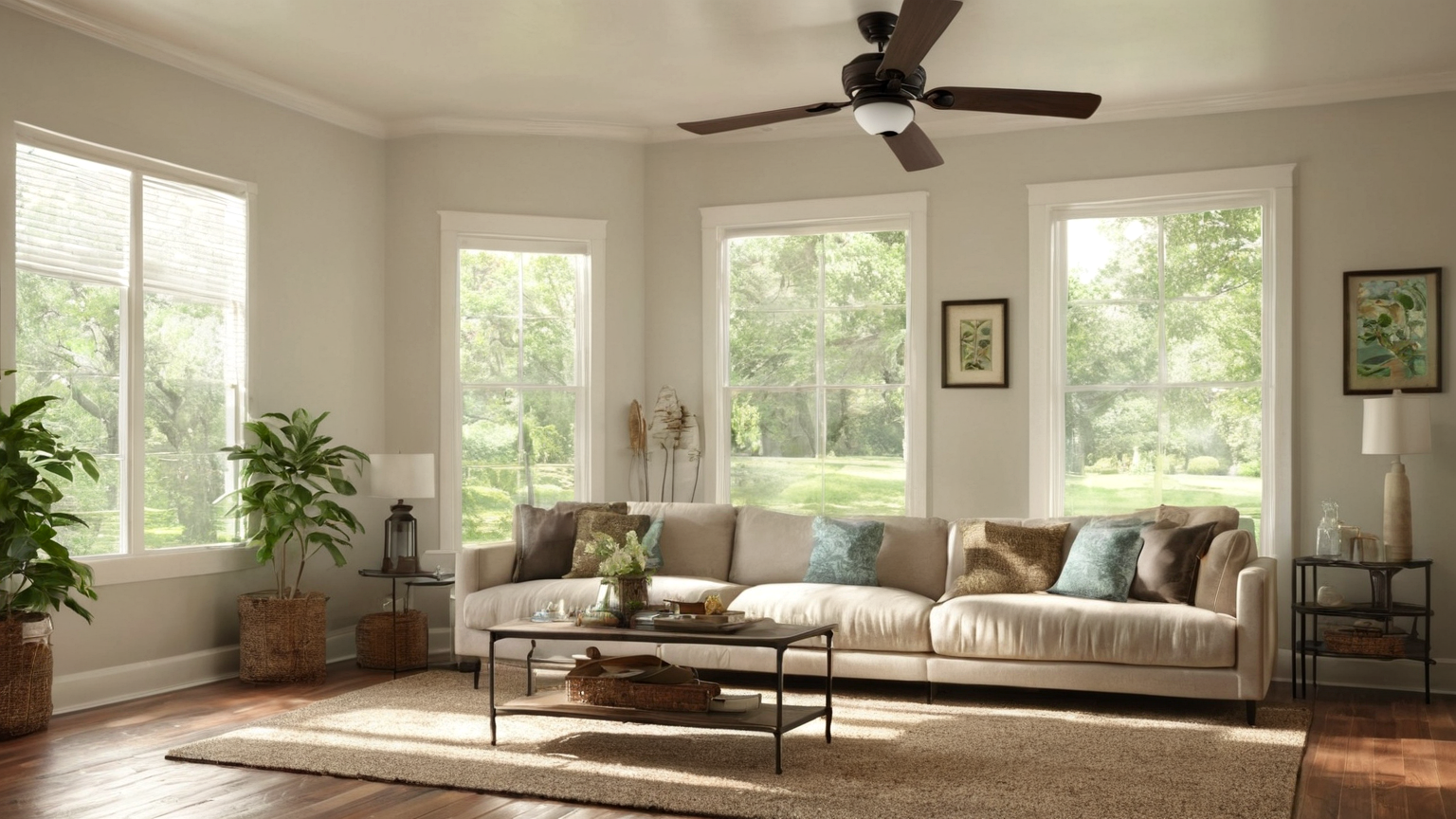
Ceiling fans and room fans can make a summer home feel more comfortable, but they do not lower air temperature by themselves and should not be treated as a substitute for safe cooling during dangerous heat. This guide was checked on 2026-06-08 against DOE Energy Saver, ENERGY STAR, CDC, National Weather Service, EPA, and CPSC resources. It is not electrical, medical, or HVAC advice; follow product manuals, utility guidance, and local heat-health instructions.
Quick decision table
| Situation | Safer choice | Mistake to avoid |
|---|---|---|
| Room is occupied and moderately warm | Use fan airflow with shade and reasonable cooling | Running fans in empty rooms as if they cool air |
| Dangerous heat affects vulnerable people | Prioritize safe temperature and check local guidance | Saving energy at the expense of heat safety |
| Thermostat is adjusted upward | Confirm comfort, humidity, and sleep quality | Changing settings without monitoring people |
| Fan cords or fixtures look unsafe | Stop and use qualified repair or replacement | Daisy-chaining cords or ignoring wobble and damage |
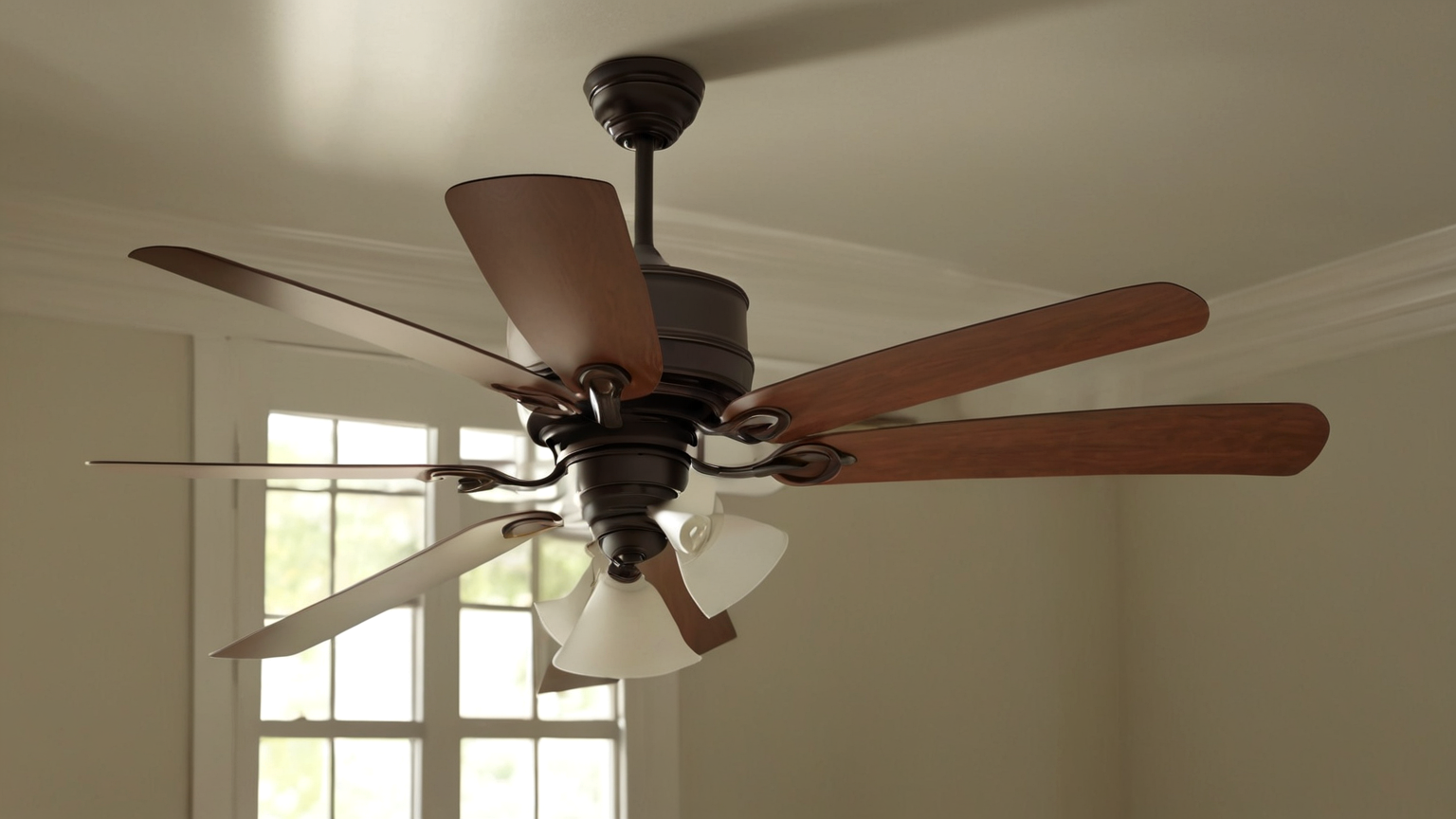
1. Use fans to help people, not empty rooms
Fans create a cooling sensation on people; they do not lower the room temperature by themselves. Turn them off in empty rooms, use the correct direction for comfort according to the fan manual, and treat fans as support for safe cooling rather than a heat-health substitute.

2. Pair thermostat changes with shade and airflow
Small thermostat adjustments work best when blinds, curtains, filters, airflow, and occupied-room choices support them. Do not change settings blindly: check comfort, sleep quality, humidity, and vulnerable household members before deciding the setting is acceptable.
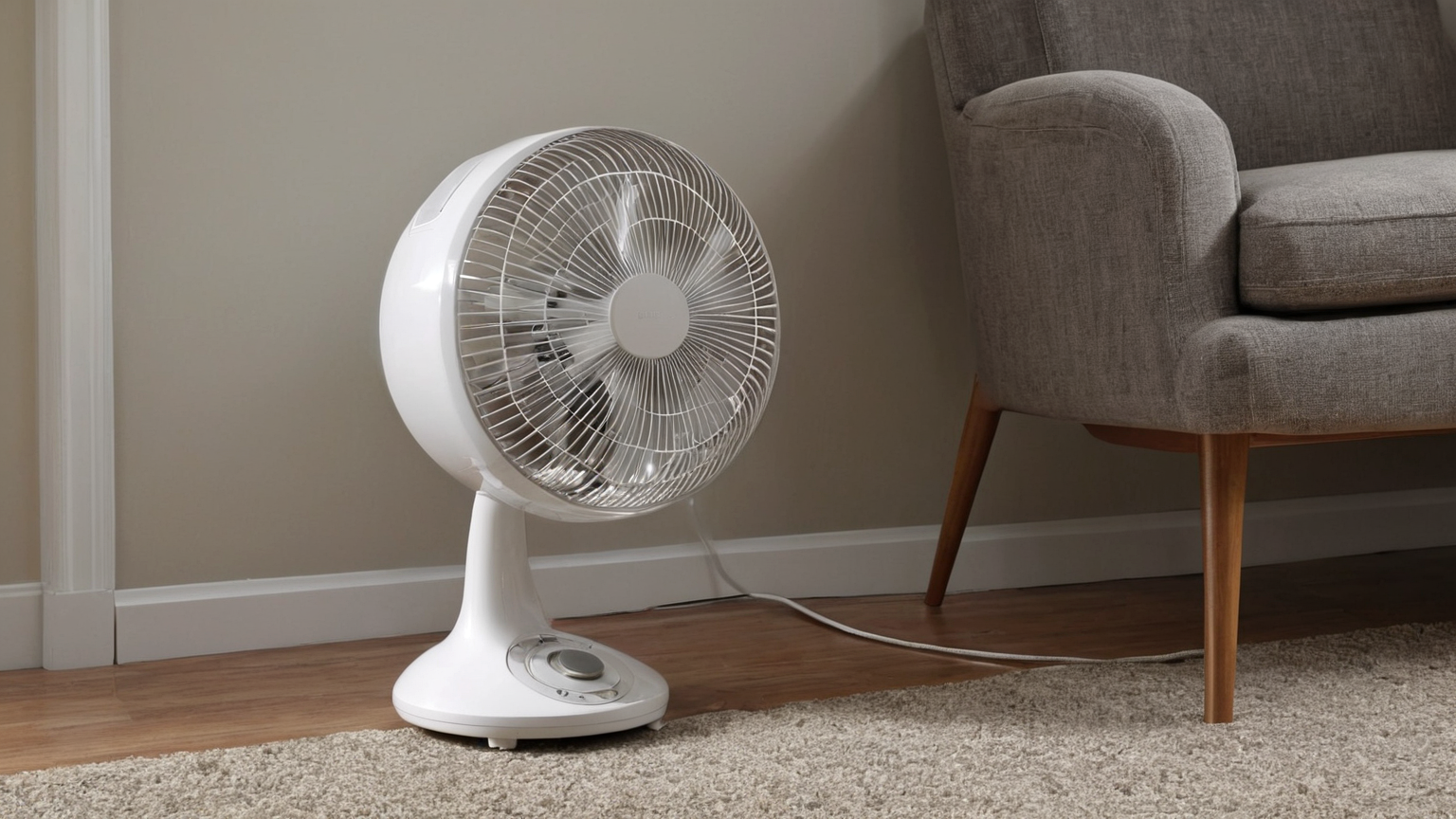
3. Know when heat safety overrides energy savings
During dangerous heat, health comes before energy savings. Older adults, children, people with medical conditions, and pets may need a cooler space or a public cooling option. Follow local heat alerts and qualified guidance rather than relying on a fan in an unsafe indoor temperature.
4. Keep electrical and indoor-air risks visible
Keep cords out of walkways, avoid overloaded outlets, stop using damaged fans, and clean filters or vents as the manufacturer recommends. If a fan wobbles, sparks, smells hot, or has damaged wiring, unplug it and get qualified help instead of continuing the routine.
5. Make the routine measurable without fake precision
Track room comfort, occupied hours, filter checks, shade use, and whether the fan was left running in empty rooms. Avoid fake exact savings claims; a trustworthy home-energy article explains conditions, limits, and safety tradeoffs clearly.
Step-by-step operating checklist
- Use fans only where people are present and comfortable.
- Pair fan use with shade, filter checks, thermostat settings, and occupied-room planning.
- Put heat-health needs ahead of energy savings during dangerous heat.
- Keep cords, outlets, fan wobble, and filter/vent maintenance visible and safe.
- Record comfort, occupied hours, and fan runtime so the next cooling routine improves without fake savings claims.
FAQ
Does this replace professional advice? No. It is a planning aid built from the listed sources; electrical, HVAC, medical, heat-emergency, or utility decisions can require qualified help.
Why are there no text-heavy graphics? The images are illustrative GTI13 raster assets. Procedures, tables, and warnings are written in the page body so readers and search engines can verify them.
What is the AdSense-readiness benefit? The article uses current source links, practical limitations, non-commercial guidance, internal links, and a clear safety-first tone, which preserves trust rather than adding thin volume.