Dishwasher Eco Cycle Energy and Water Savings Plan
A practical guide to using dishwasher eco cycles, full loads, air drying, filter cleaning, and ENERGY STAR habits without rewashing or greenwashing.
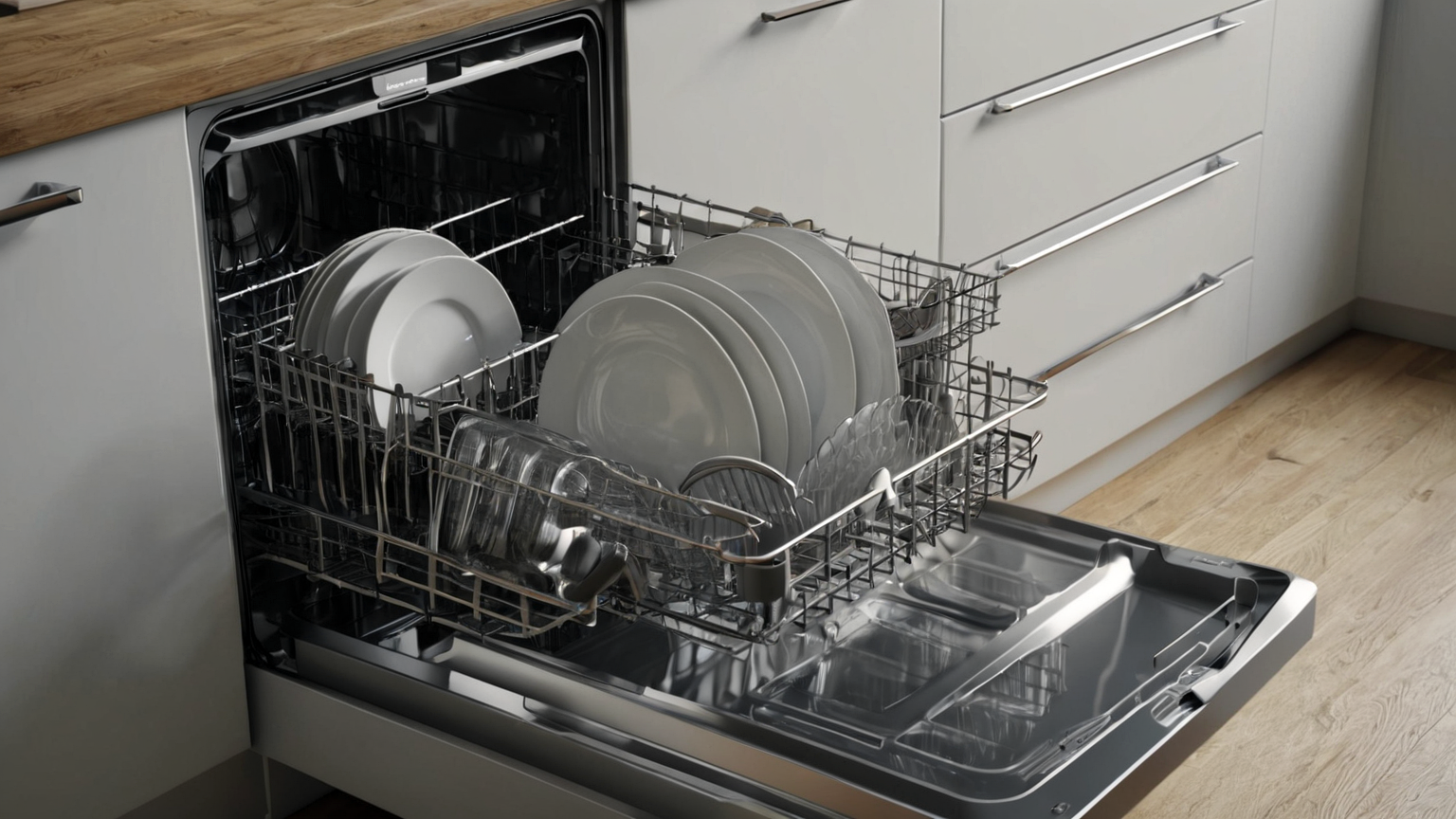
Dishwasher savings come from a repeatable operating pattern: full loads, correct loading, clean filters, air-dry settings, and fewer rewashes. This article avoids vague eco claims and explains when the normal cycle may still be the better choice.
Decision table
| Situation | Best next step | Avoid |
|---|---|---|
| Dishes come out dirty | Fix loading and filter before changing cycles | Running the same eco cycle twice |
| Load is small | Wait if safe and practical | Starting several partial loads each day |
| Drying is the concern | Try air dry or door-ajar routine by manual | Assuming heated dry is always required |
| Old unit is failing | Compare repair, use pattern, and efficient replacement | Buying from vague green claims alone |
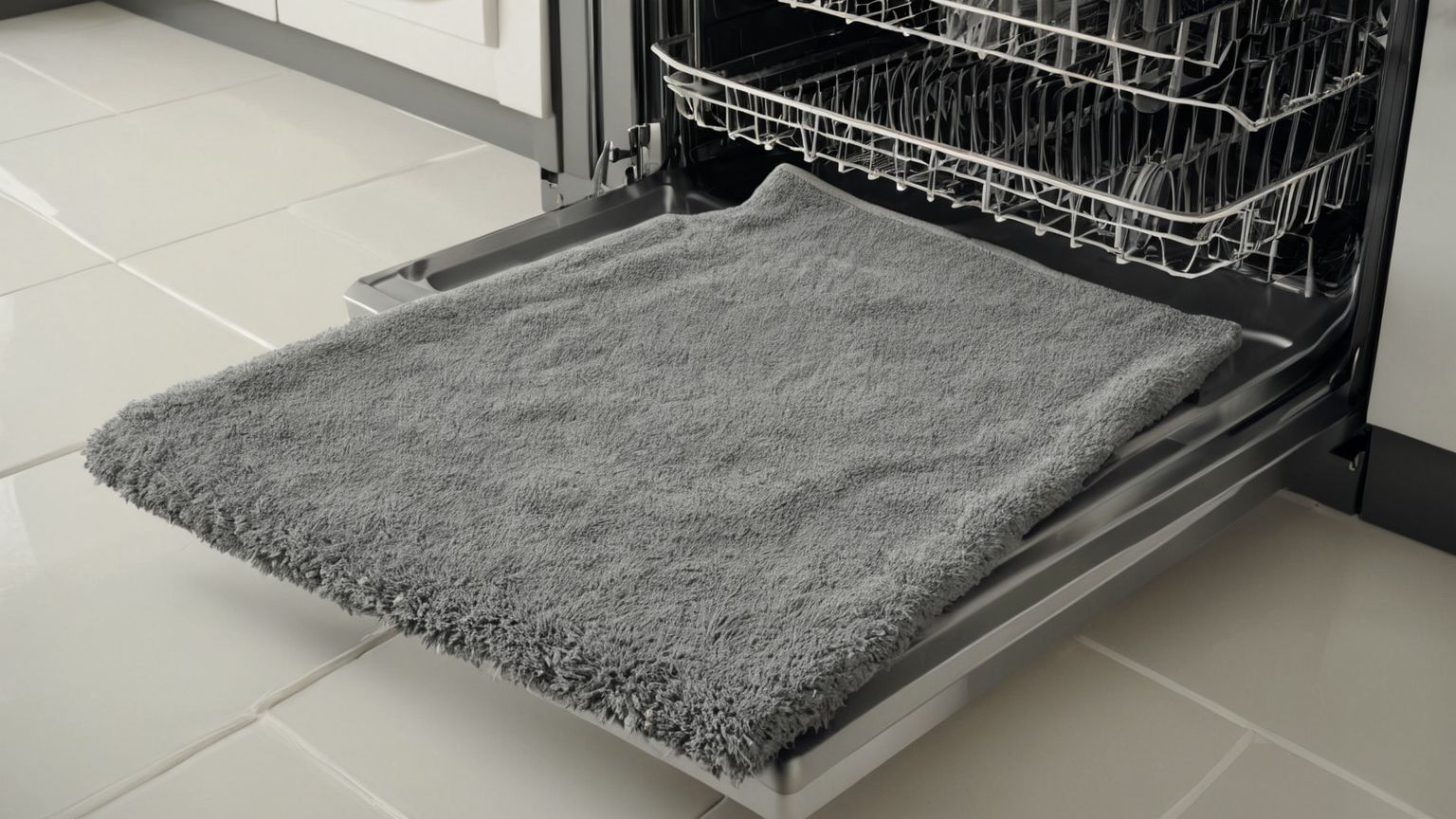
1. Start with the load, not the button
Eco cycles work best when dishes are loaded so spray reaches surfaces. Scrape food, avoid nesting bowls, keep tall items from blocking arms, and run fuller loads instead of several partial cycles. If poor loading causes rewashing, the eco setting becomes a false economy.
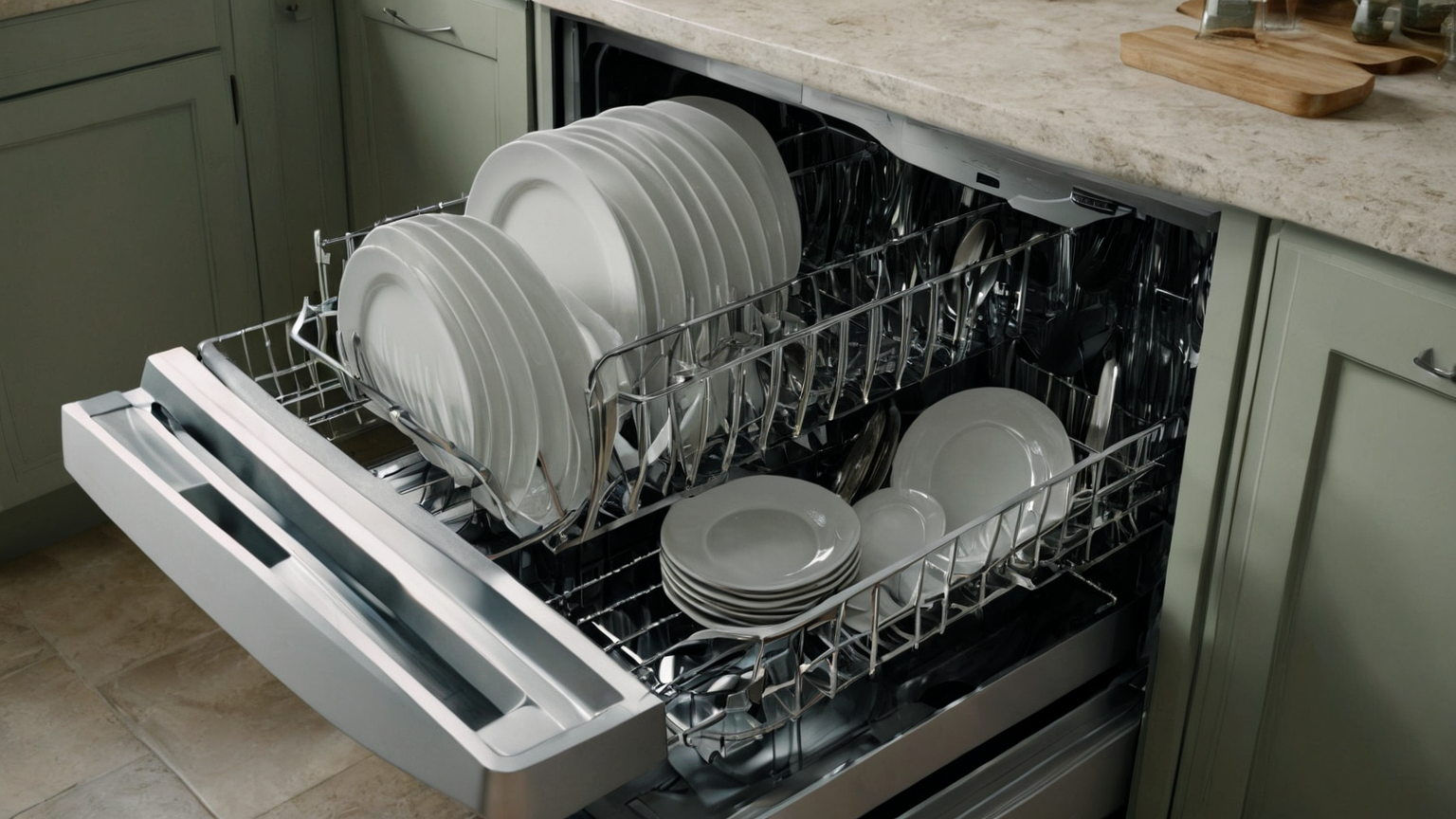
2. Clean the filter before blaming the machine
Many modern dishwashers rely on a removable filter. A clogged filter can leave grit, odor, and repeat cycles. Check the manual, remove debris safely, rinse the filter as directed, and reinstall it correctly. This maintenance step is more actionable than telling readers to buy a new appliance.
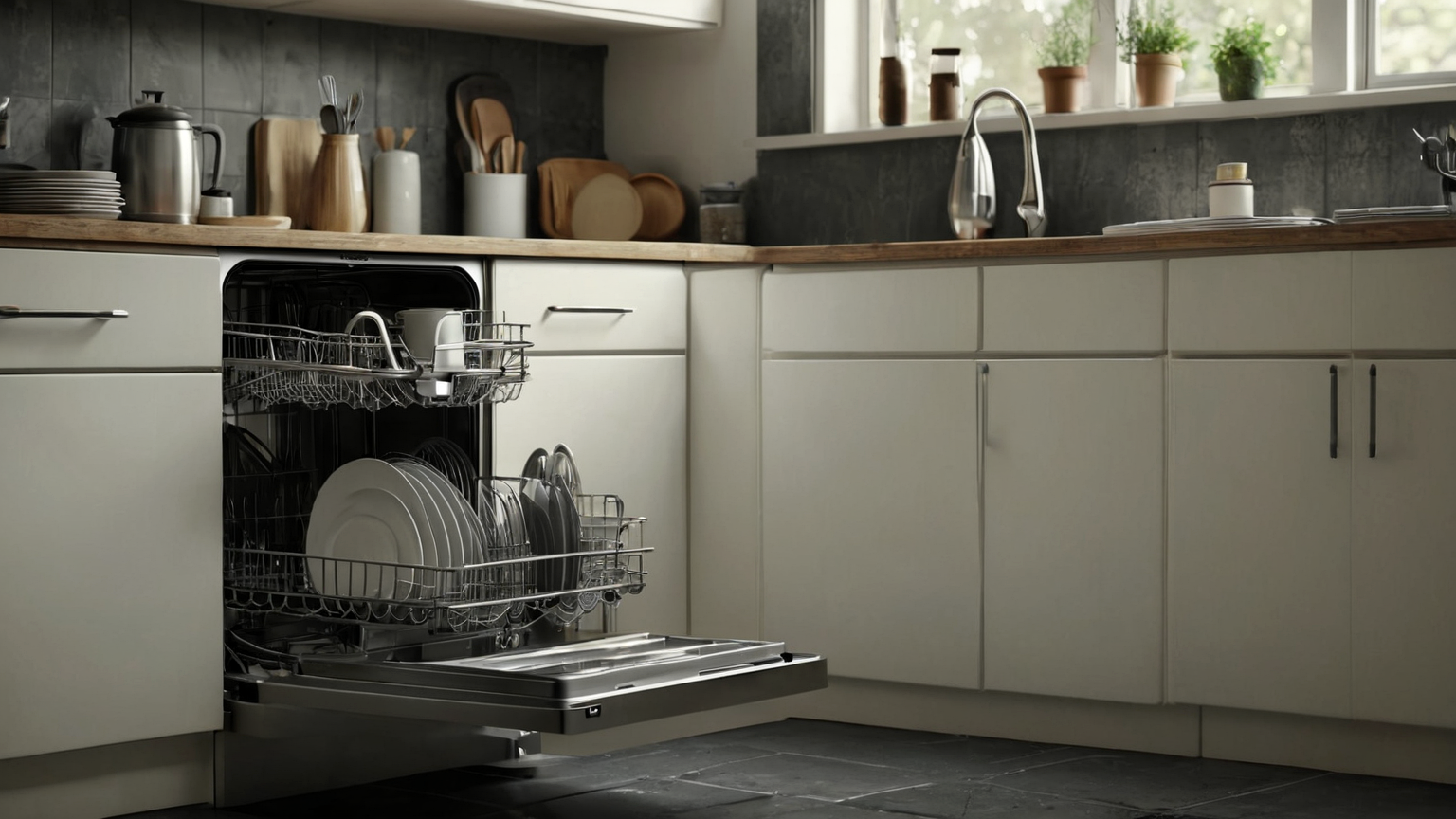
3. Use air dry and heat settings deliberately
Heated drying can add energy use, while air drying may require opening the door or choosing a longer schedule. Pick the setting based on household timing, humidity, and the need for dry dishes. The article explains tradeoffs instead of presenting one setting as universally best.
4. Compare full-life savings, not a single cycle
An ENERGY STAR model, efficient habits, and avoided pre-rinsing can reduce water and energy waste, but the exact result depends on utility rates, household size, water heater, and appliance condition. Readers get a measurement plan: check the manual, note cycle duration, watch rewash frequency, and compare bills over time.

5. Keep safety and trust in the routine
Do not overload outlets, ignore burning smells, or bypass a damaged appliance. The page keeps claims moderate, cites DOE, ENERGY STAR, EPA WaterSense, and safety references, and avoids affiliate pressure. That strengthens AdSense readiness by prioritizing useful maintenance and evidence over product hype.
Practical checklist
- Check current official guidance or the relevant manual before acting.
- Decide the stop, delay, discard, repair, or lower-risk option before convenience takes over.
- Keep images illustrative and keep procedures in selectable text, tables, and lists.
- Save a short note about what worked so the next decision is easier.
- Prefer safety, clarity, and reader trust over affiliate density or dramatic claims.
FAQ
Why is this article dated? It was checked against the listed sources on 2026-06-12. Current alerts, product manuals, local rules, and qualified advice still take priority.
Does the page recommend products? No. This daily article is written as a helpful-content and AdSense-readiness improvement, not an affiliate placement.
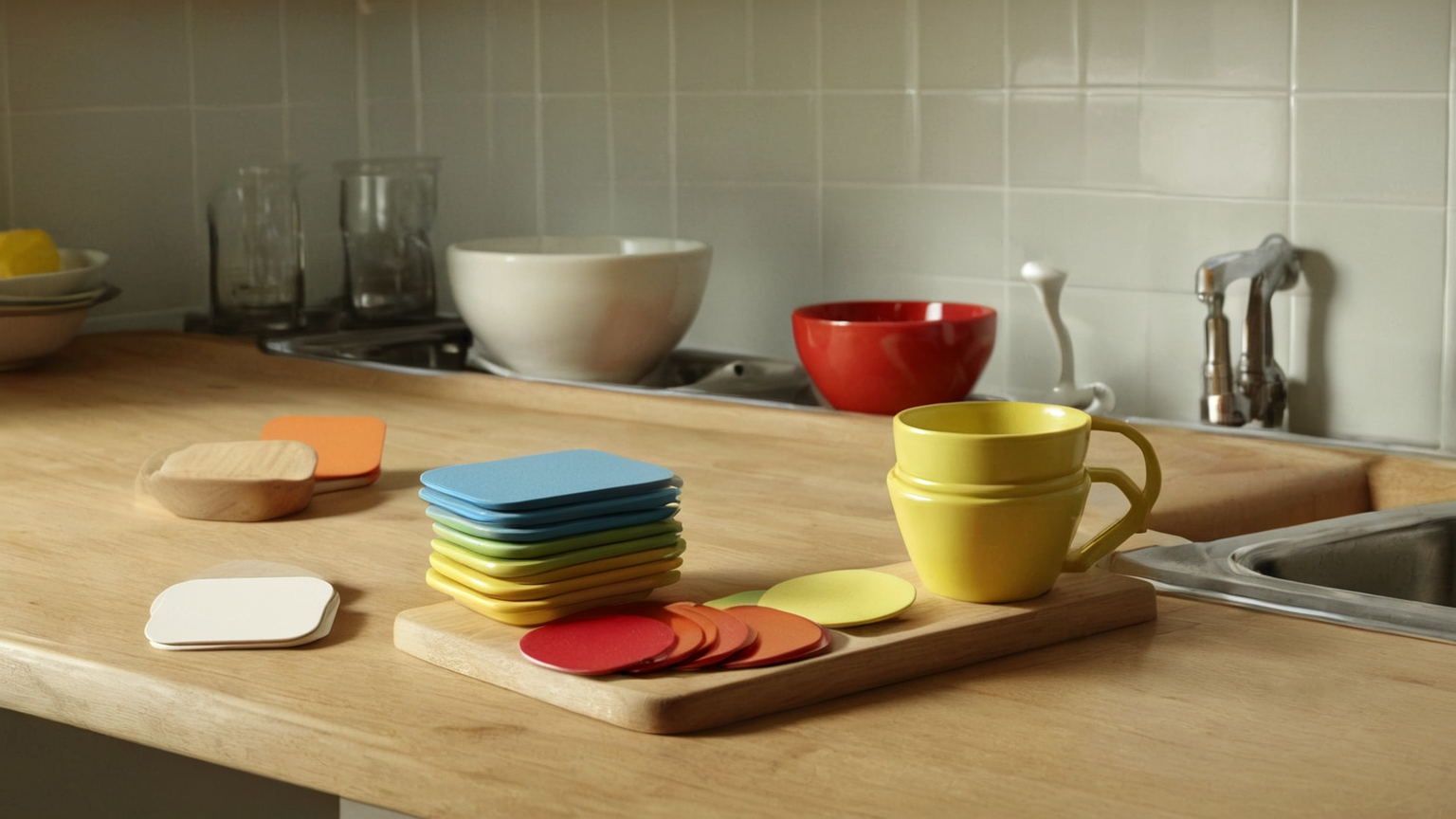
How should readers use the images? The GTI13 images illustrate the setting only. The actual instructions are in the text so they can be read, searched, translated, and checked.