Heat Pump Clothes Dryer Buying Checklist: Fit, Cost, and Care
A 2026 homeowner guide to heat pump clothes dryers, installation fit, energy savings, moisture, incentives, and maintenance.
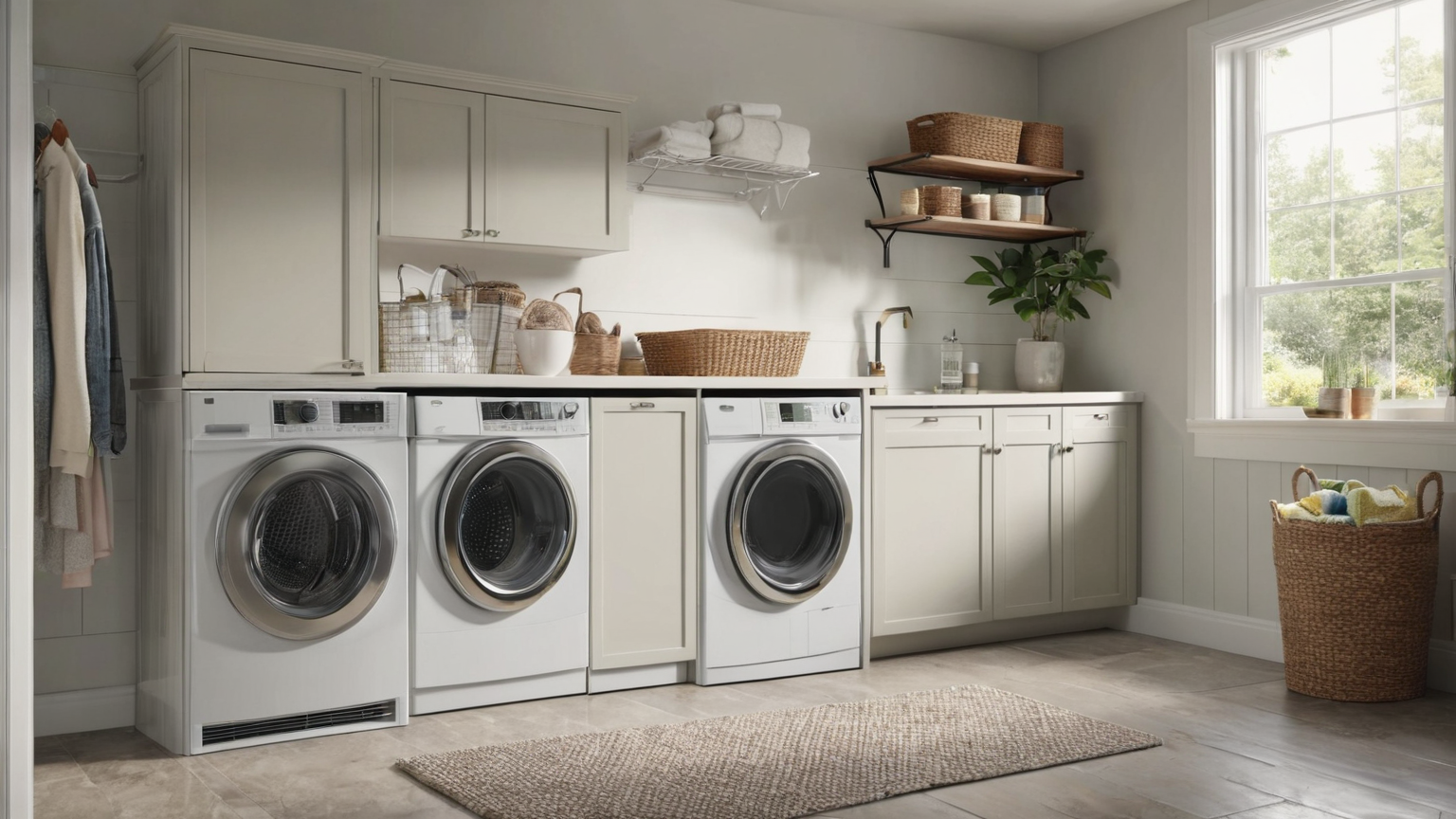
Heat pump clothes dryers can reduce dryer energy use and work well in homes where venting is difficult, but they are not identical to conventional dryers. This 2026-06-01 buying checklist uses ENERGY STAR, DOE Energy Saver, rebate, and indoor-air-quality resources to help homeowners evaluate fit before ordering.
Fit and value table
| Question | What to verify | Why it matters |
|---|---|---|
| Space | Door swing, closet clearance, service access | Ventless does not mean no airflow or maintenance |
| Cycle time | Typical load size and fabric mix | Heat pump drying may feel different from high-heat drying |
| Moisture | Drain, reservoir, room humidity | Condensed water must go somewhere |
| Maintenance | Lint filter, condenser, manual schedule | Savings disappear if airflow is neglected |
| Cost | ENERGY STAR listings, utility rates, rebates | Upfront price and operating cost vary by home |
Start with the room, not the rebate
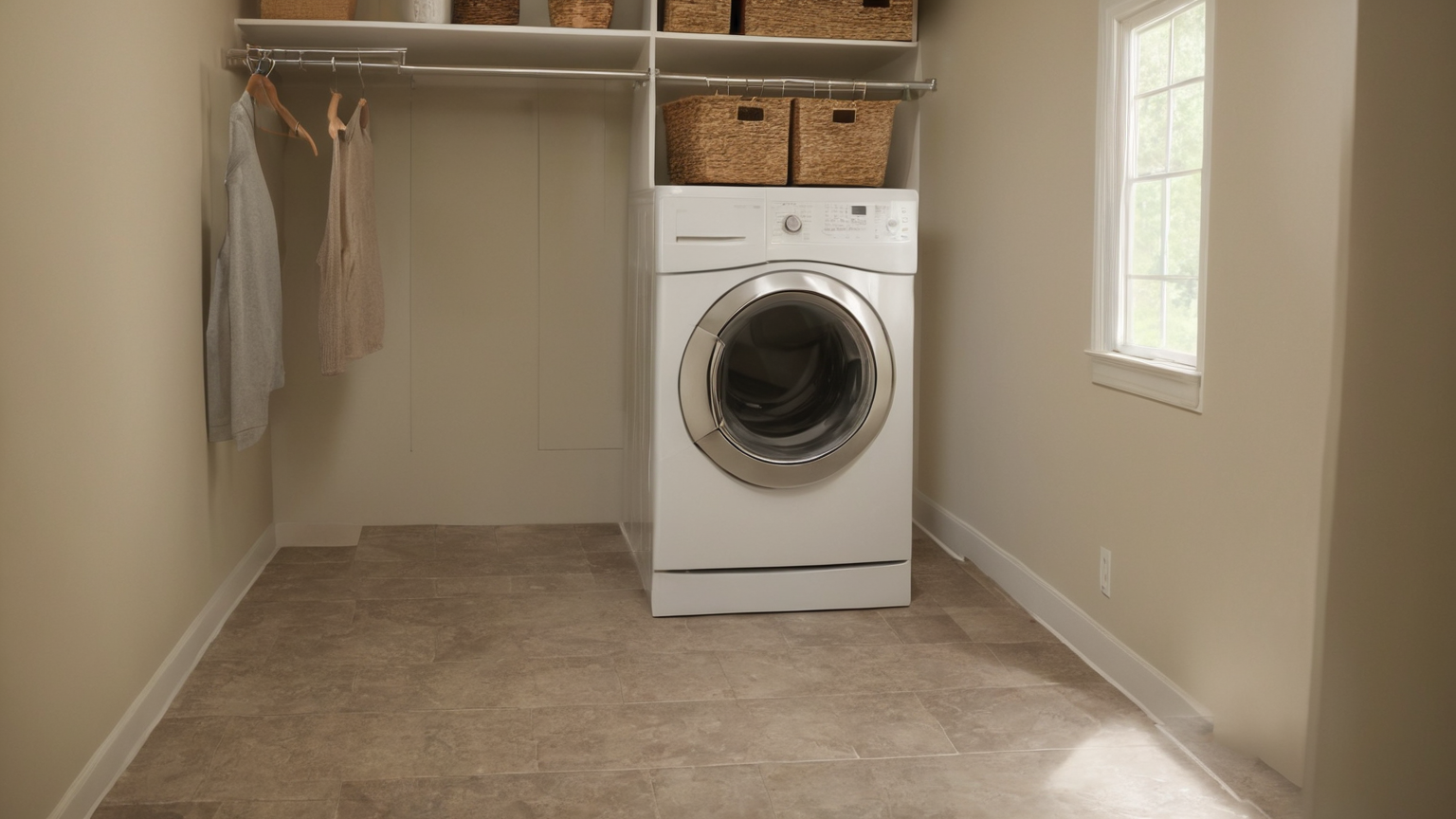
Measure the actual laundry area, doorways, stacked-unit height, and clearance for service. Confirm whether the model needs a drain hose, reservoir emptying, or specific ventilation around the appliance. Ventless designs can solve duct problems, but cramped closets can still create heat, moisture, or access issues.
The safest version of this plan is deliberately boring: observe the condition, record the decision point, choose the conservative action, and leave yourself a way to reverse course. For heat pump clothes dryer buying, that means not relying on memory, marketing copy, or a single app screen. Use a small written checklist, keep the official source open when facts may have changed, and make the no-go condition explicit before you are tired, hungry, hot, rushed, or under pressure from other people. A good routine should work on an ordinary weekday, not only during a perfect test run.
Understand drying behavior
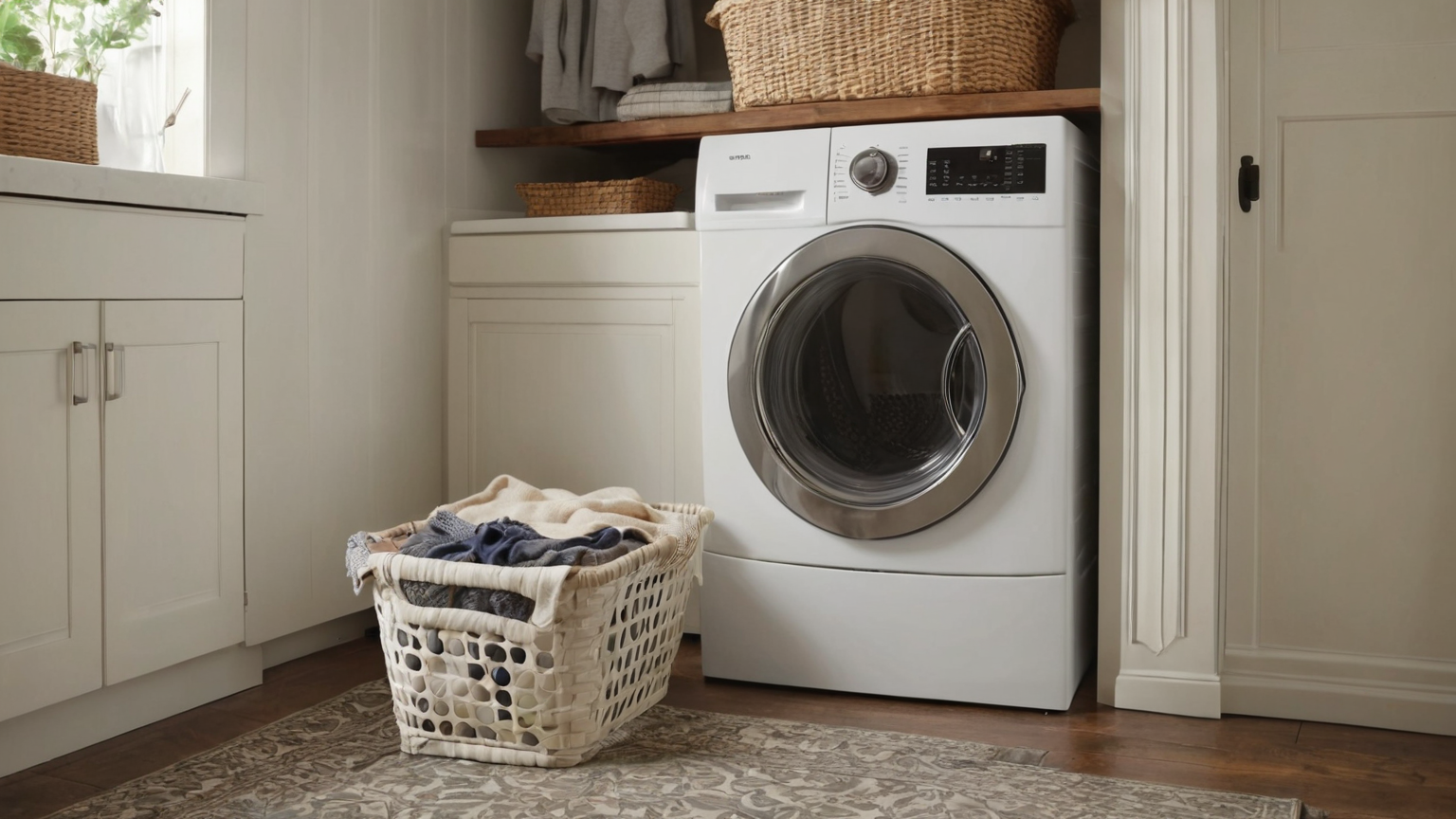
Heat pump dryers usually use lower temperatures and recycle heat. That can be gentler on fabrics and more efficient, but cycle length and load feel may differ. If your household runs large loads back-to-back, compare capacity, moisture sensing, mixed-fabric performance, and maintenance requirements instead of shopping by headline efficiency alone.
Maintenance is part of ownership
Lint filters, condenser areas, drain paths, and room airflow need routine attention. A dryer that cannot move air efficiently will waste energy and frustrate the household. Before buying, read the manual for cleaning intervals and decide who will actually do the task.
Calculate value with your own loads
Use ENERGY STAR product listings, DOE appliance-use guidance, local electricity rates, and actual laundry frequency. A household that line-dries often will see different savings than a large family drying daily. Include delivery, stacking kits, outlet changes, old-appliance removal, and warranty terms.
Rebates and incentives need current confirmation
Rebate rules can change by ZIP code, utility, income qualification, product certification, and installation date. Check the ENERGY STAR rebate finder and local utility before purchase, then save screenshots or confirmation numbers. Do not let an advertised rebate push you into a model that does not fit the room.

Buying checklist
- Confirm ENERGY STAR certification for the exact model number.
- Measure the room, doors, stacking height, and service clearance.
- Check drain/reservoir options and humidity management.
- Compare capacity to your actual basket size.
- Read maintenance steps before purchase.
- Estimate annual operating cost with your utility rate.
- Confirm rebates before ordering and again before installation.
- Keep a non-dryer backup plan for delicate or bulky items.
Example decision
A ventless heat pump dryer can be a strong fit for a townhouse laundry closet with no practical duct route, especially if the room has service clearance and a drain option. It may be a weaker fit if the household needs very fast back-to-back drying, refuses filter maintenance, or cannot manage condensate.

FAQ summary
Choose a heat pump dryer because it fits your space, habits, maintenance tolerance, and energy math—not because “ventless” sounds automatic or a rebate makes the decision feel urgent.