Heat Pump Water Heater Buying Checklist: Space, Noise, Rebates, and Fit
A 2026 homeowner checklist for deciding whether a heat pump water heater fits your space, climate, electrical panel, and budget.
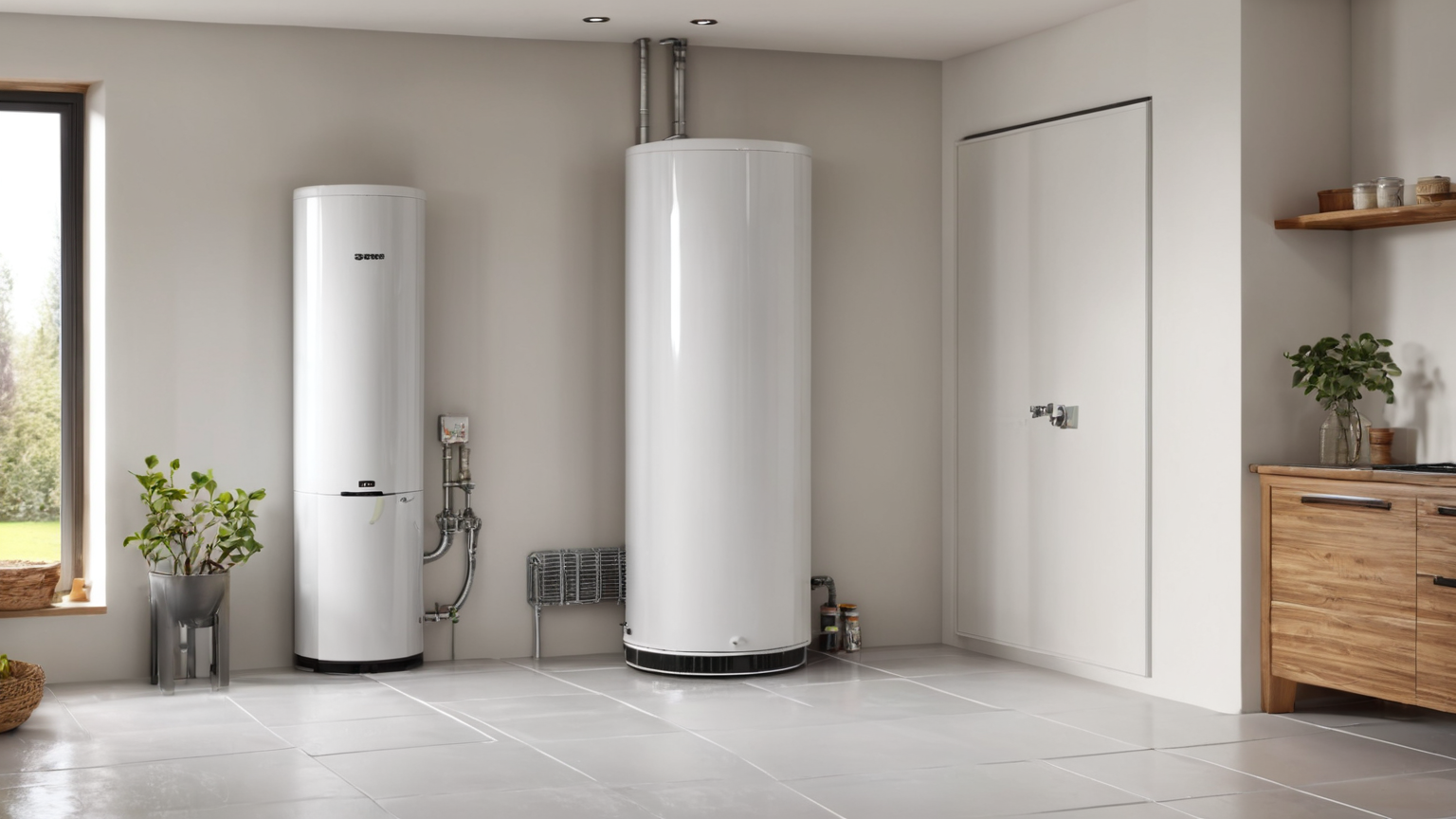
A heat pump water heater can cut water-heating energy use, but it is not a universal drop-in appliance. This 2026-05-31 checklist uses DOE and ENERGY STAR resources, plus incentive and indoor-air-quality references, to help homeowners decide what to verify before ordering.
Fit table
| Question | What to verify | Why it matters |
|---|---|---|
| Space | Room volume, clearance, airflow | The heat pump needs air to work well |
| Noise | Location near bedrooms or living spaces | Fans and compressors are audible |
| Electrical | Circuit, panel capacity, code | Installation may need licensed work |
| Condensate | Drain or pump route | Heat pumps remove moisture |
| Incentives | Current federal, state, utility rules | Rebates can change and require paperwork |
Start with the room, not the rebate
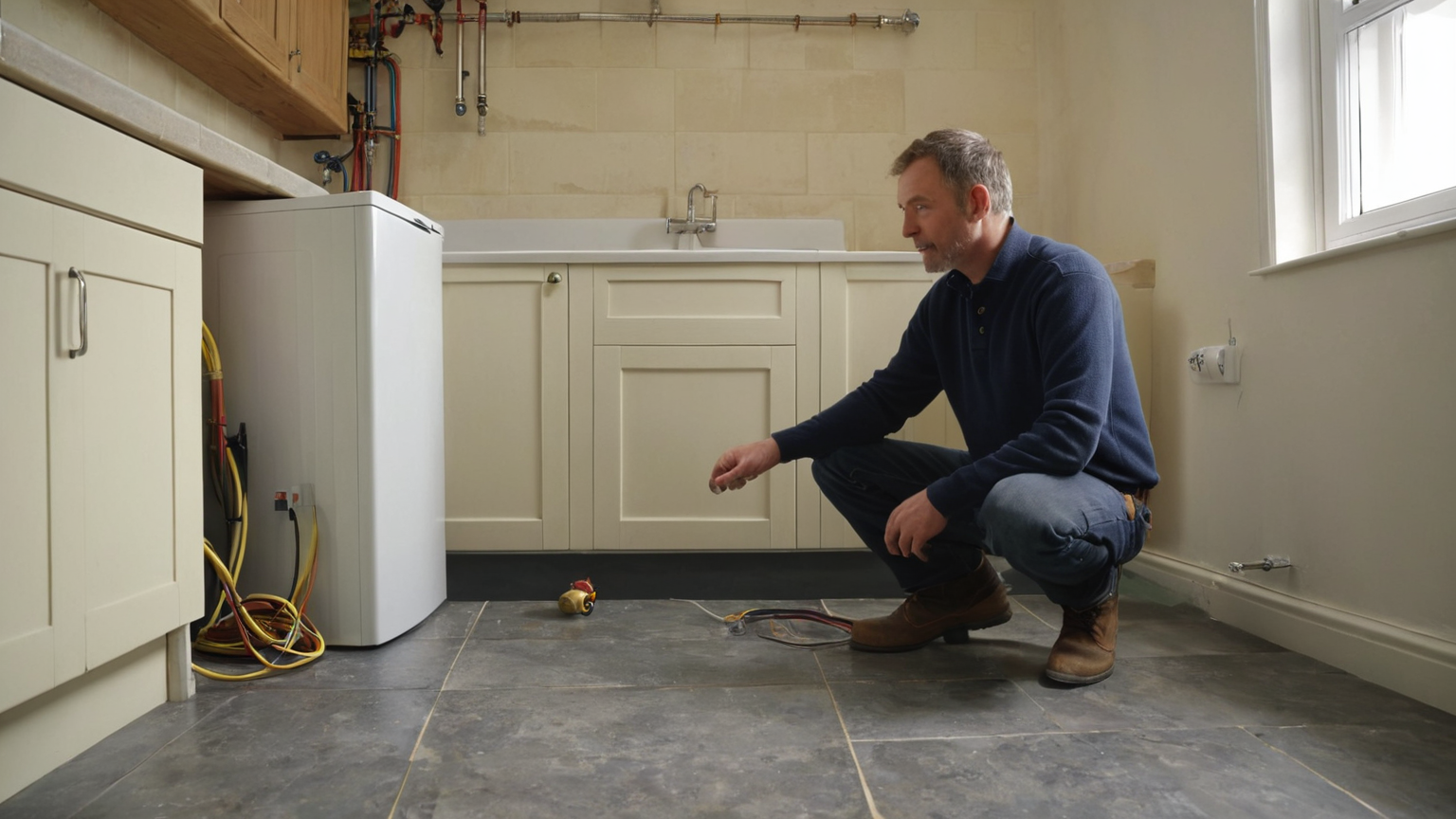
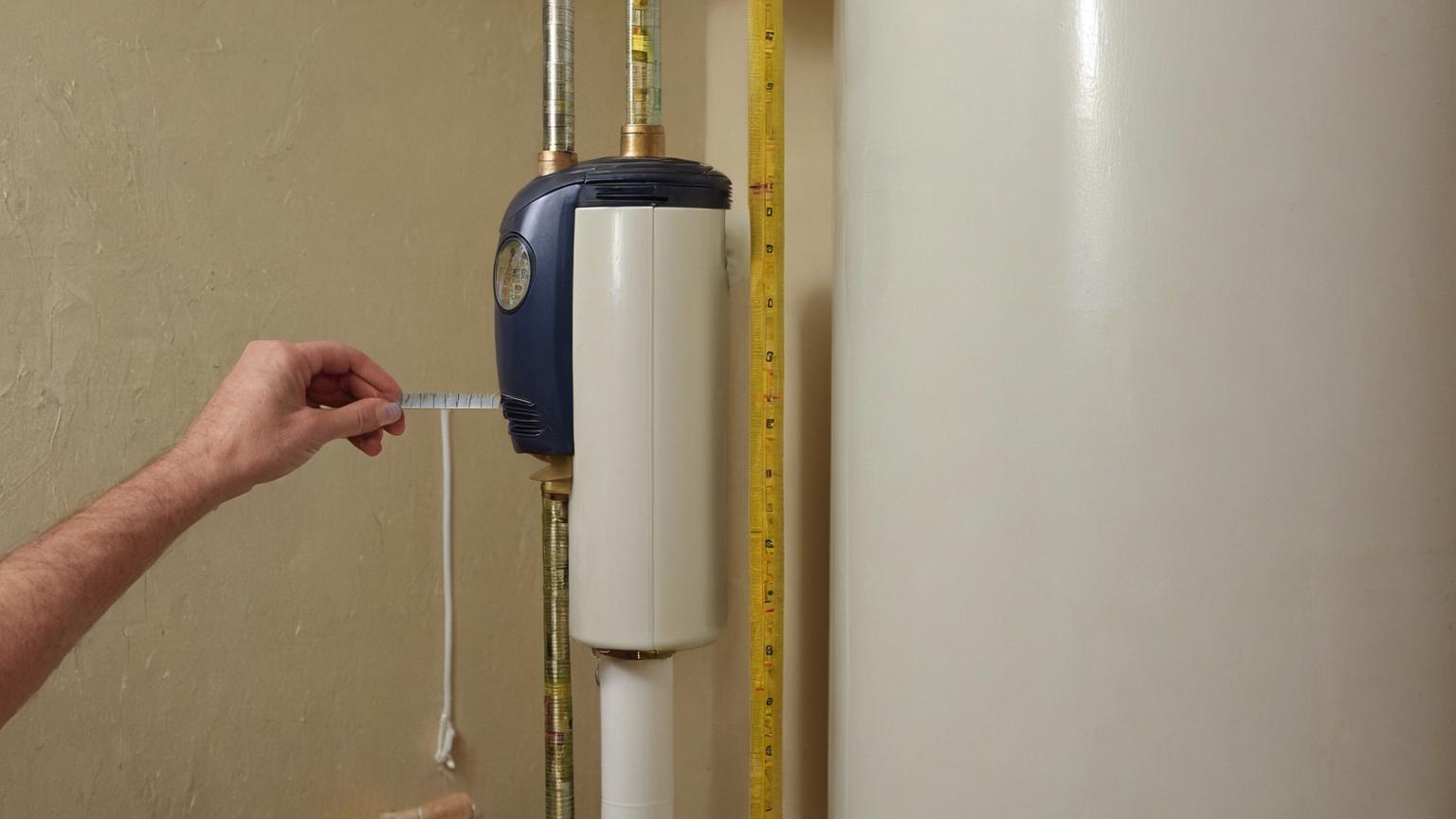
Measure the installation space, doorways, ceiling height, and service clearance. A cramped closet may need ducting or a different plan. Consider winter comfort if the appliance pulls heat from a small conditioned area.
This section is intentionally practical: it turns heat pump water heater purchase planning into an observable routine instead of a vague intention. Start with the condition you can verify today, write down what you saw, then choose the smallest safe next action. If the result would depend on a medical diagnosis, vehicle repair, food-safety uncertainty, electrical work, local rebates, or appliance specifications, use the linked official source and a qualified professional rather than guessing. The goal is not to buy more gear; it is to reduce avoidable risk with repeatable habits, documented checks, and clear stop points.
Electrical and plumbing are not afterthoughts
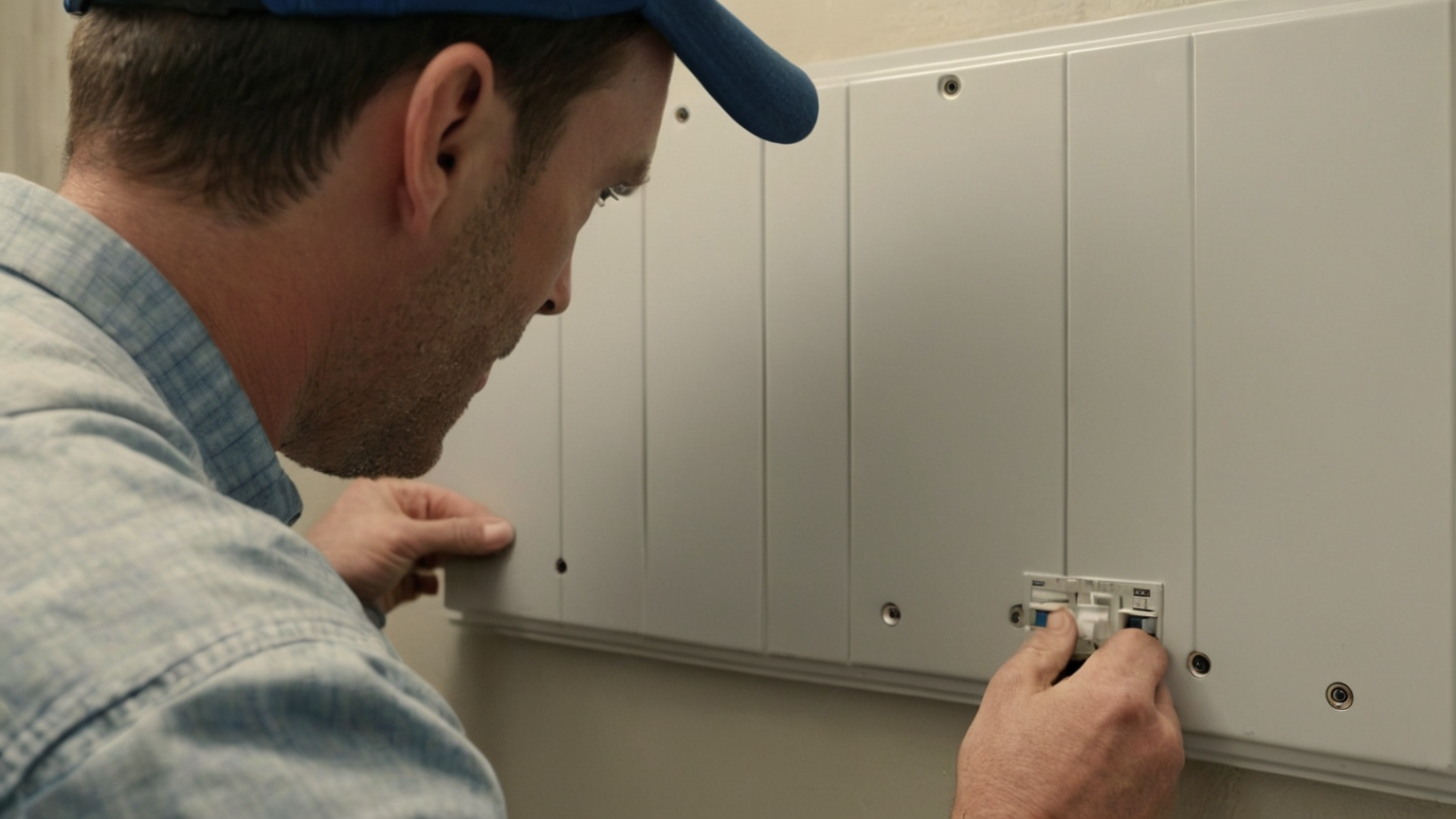
Some homes need wiring, breaker, condensate, drain-pan, seismic, or code updates. Get quotes that include the whole installation, not just the appliance. If replacing a gas unit, discuss safe decommissioning and ventilation changes with qualified pros.
Use less hot water first
Low-flow fixtures, fixing leaks, washing with appropriate temperatures, and insulating accessible pipes may reduce the size or operating cost of the system. Efficiency starts with demand.
Incentives require exact paperwork
Check ENERGY STAR, federal tax-credit pages, state programs, local utilities, and installer requirements before purchase. Save model numbers, invoices, AHRI/ENERGY STAR documentation where relevant, and screenshots or PDFs of program rules on the purchase date.
Checklist
- Confirm room size, airflow, noise tolerance, and drain route.
- Verify electrical requirements and code with a qualified installer.
- Compare total installed cost, not sticker price.
- Check current incentives before signing.
- Keep manuals and set maintenance reminders.

FAQ
Is it always cheaper? Operating cost often improves, but installed cost, rates, household use, and location determine payback.
Can I DIY it? Many homes need electrical, plumbing, permit, or safety work; know your local requirements.