Heat Pump Water Heaters: The Low-Waste Upgrade Checklist
DOE, ENERGY STAR, EPA, and efficiency guidance for deciding whether a heat pump water heater fits your home, budget, space, and climate.
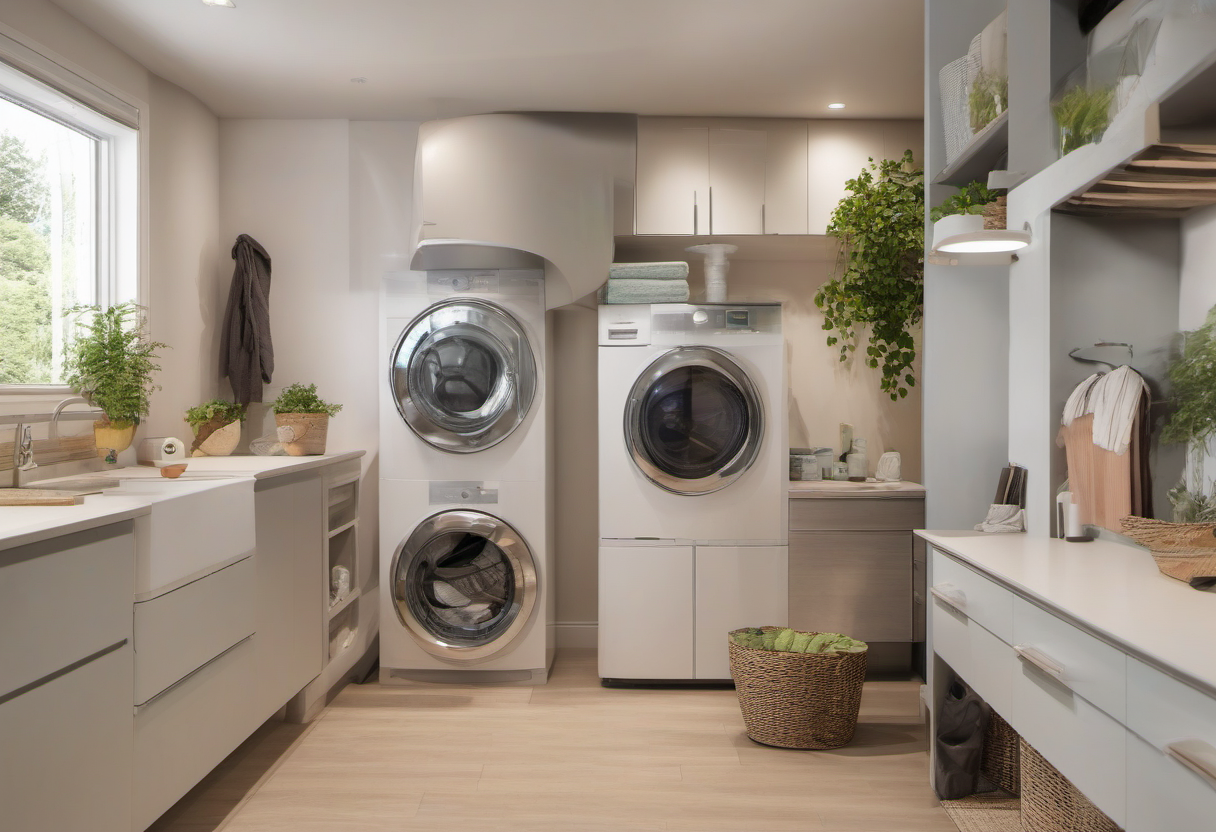
A heat pump water heater can be one of the highest-impact electrification upgrades in a home, but it is not a universal drop-in fit for every closet. It moves heat from surrounding air into water, which can reduce energy use dramatically compared with standard electric resistance water heating. The same physics also creates constraints: airflow, condensate drainage, noise, room temperature, recovery rate, electrical capacity, and installation quality.
Quick decision rule: measure the space before shopping. If the room lacks air volume, drainage, service clearance, or acceptable noise tolerance, solve those constraints before comparing model prices.
Understand the trade: less energy, more site planning
A conventional electric tank turns electricity directly into heat. A heat pump model uses electricity to move heat, so it can deliver more hot-water energy than the electrical energy it consumes. That efficiency is why utilities and energy programs promote the upgrade. But the unit is also interacting with the room. It needs air, produces condensate, makes fan and compressor noise, and may cool the space while operating.
That room interaction is not automatically bad. In a warm basement, dehumidification and cooling can be welcome. In a small conditioned closet, it may be annoying or inefficient. The right question is not “Are heat pump water heaters good?” The right question is “Does my installation site let the technology behave well?”
Measure the installation space
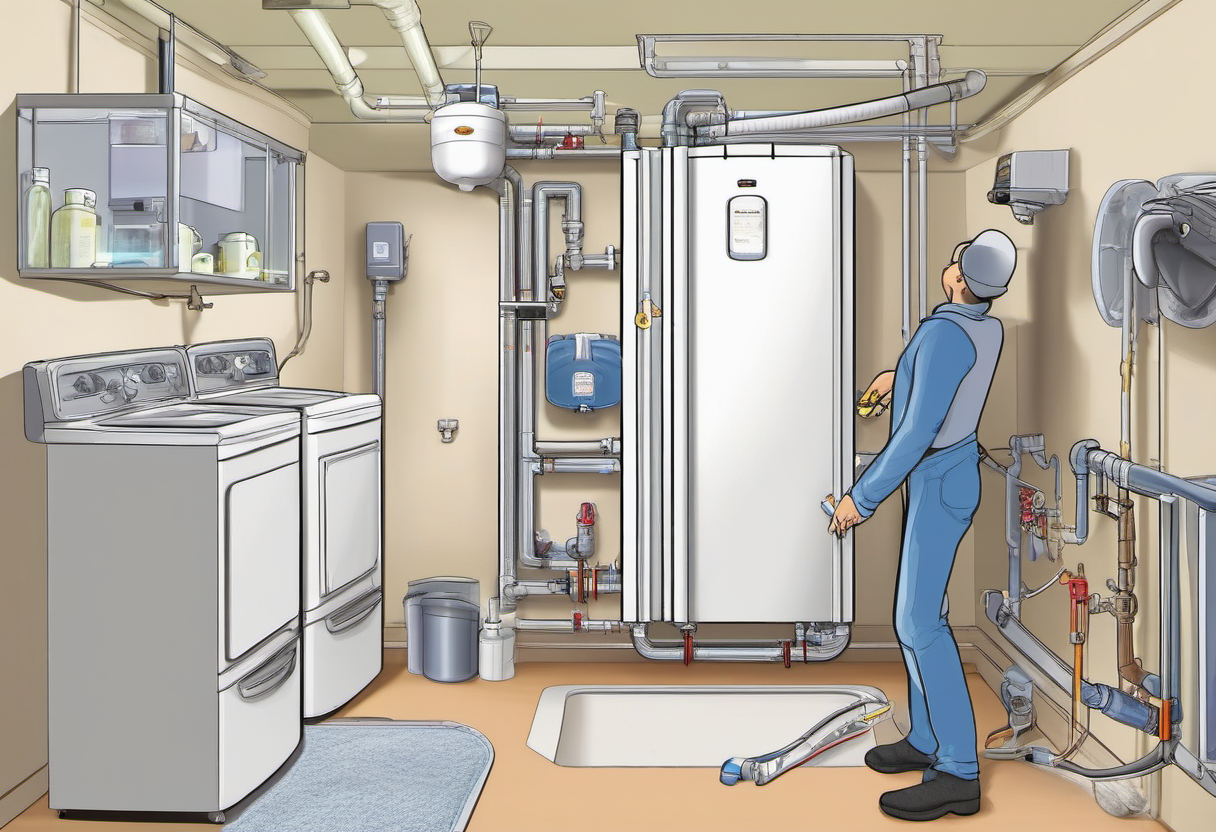
Before requesting quotes, record the room dimensions, ceiling height, door size, drain availability, nearby electrical panel capacity, current water-heater fuel type, and distance to bedrooms or living areas. Check the manufacturer’s clearance and air-volume requirements for any model under consideration. A unit that is efficient in a lab can disappoint if boxed into a closet with poor airflow.
Condensate is a first-class requirement. The appliance removes moisture from air, and that water needs a reliable path to a drain, pump, or approved disposal point. A bucket is not a professional plan. Also check service access. Filters, anodes, drain valves, mixing valves, leak pans, and shutoffs should remain reachable after installation.
Match mode and capacity to household behavior
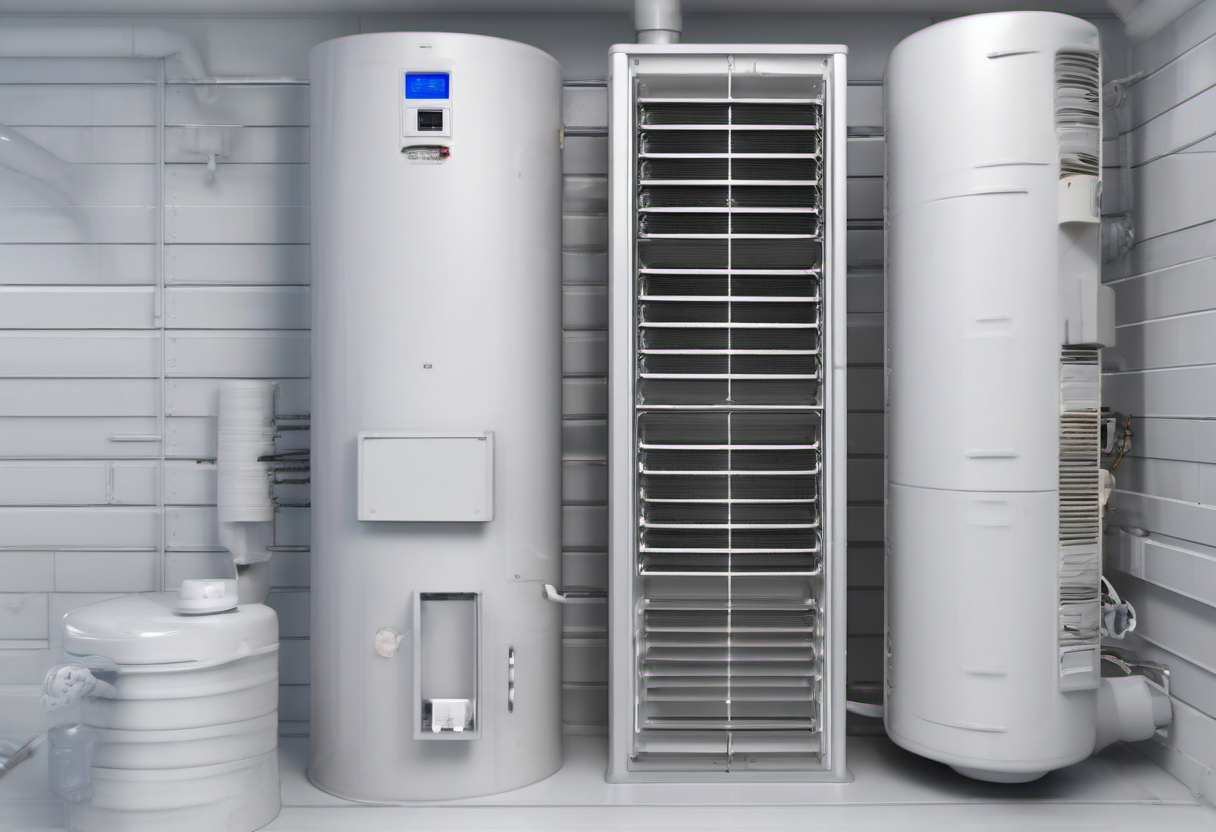
Hybrid water heaters often offer heat-pump, hybrid, electric-resistance, vacation, and high-demand modes. Efficiency drops when the unit relies heavily on resistance backup, so sizing and habits matter. A household with long back-to-back showers, a large soaking tub, or frequent laundry may need a larger tank or a model with faster recovery. A smaller household may be able to run mostly in heat-pump mode.
Do not size from the old tank alone. The old system may have been oversized, undersized, or operated differently. Ask installers how the proposed model handles first-hour rating, recovery, ambient temperature, and resistance backup. A slightly larger efficient tank may cost less to live with than a smaller unit constantly forced into boost mode.
Incentives change the math but not the physics
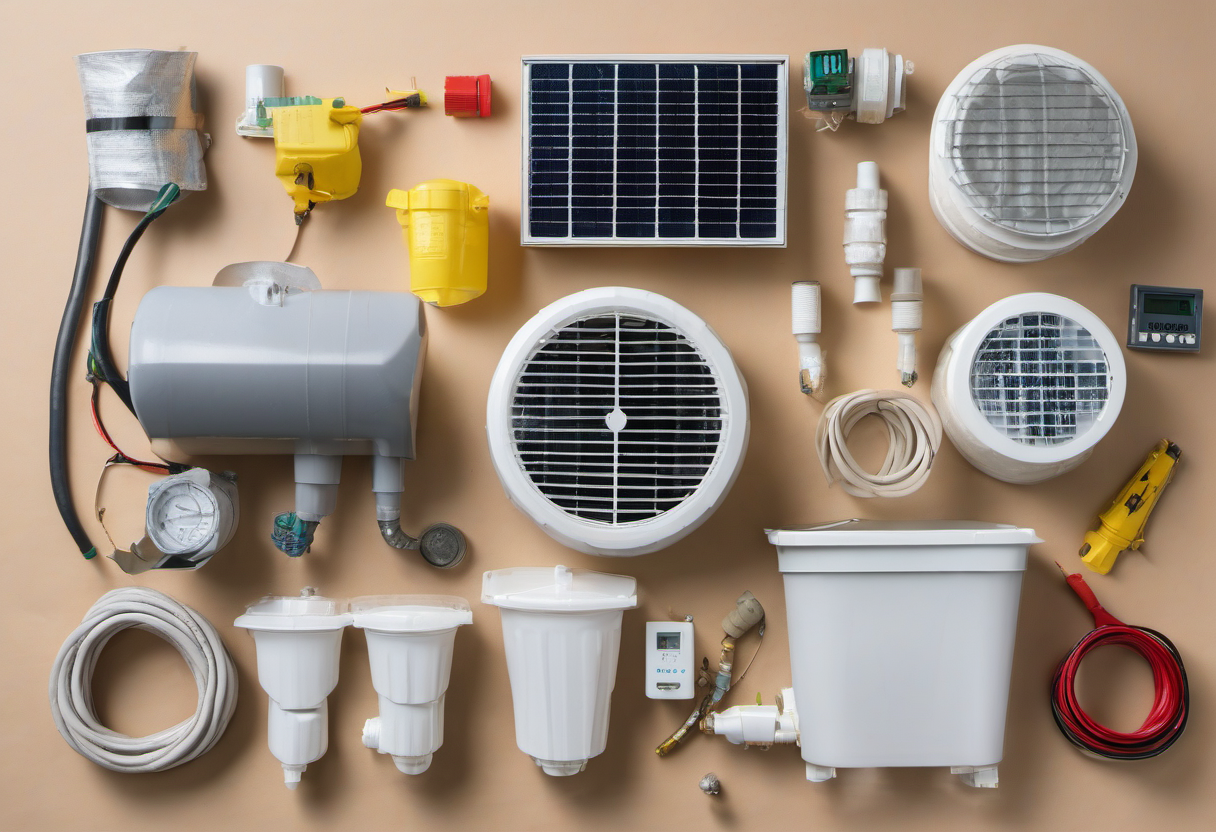
Federal, state, utility, and local incentives can make the upgrade attractive, especially when a water heater is already near end of life. Tax credits and rebates often have model, efficiency, income, installation, or documentation rules. Confirm eligibility before buying and keep invoices, certification statements, and model numbers. Do not let an incentive push you into a poor site fit; a cheap bad installation is still wasteful.
The cleanest financial comparison includes equipment, installation, electrical work, condensate handling, permits, maintenance, expected energy savings, incentives, and the avoided cost of an emergency replacement. Emergency installs are expensive because the household needs hot water immediately and has little time to compare contractors or prepare electrical work.
Low-waste maintenance
Efficiency depends on airflow and water quality. Clean the air filter as instructed, keep the intake area clear, flush sediment if recommended for your water conditions, inspect the drain pan, and test leak alarms if installed. An anode rod may need inspection or replacement depending on model and water chemistry. Maintenance is not just about lifespan; a clogged filter can push the unit toward less efficient operation.
If the unit is in a dusty laundry area, lint management matters. Do not store boxes, paint, solvents, or clutter around the intake. The appliance is part of the home’s mechanical system, not a shelf.
Climate, comfort, and placement
Heat pump water heaters work by borrowing heat from surrounding air. In very cold spaces, performance can drop or backup resistance may run more often. In conditioned living space, the cooling effect may increase heating load during winter. In warm climates or basements, the effect can be beneficial. Ducting can solve some placement problems, but it adds cost and design requirements. Ask whether ducting changes warranty, maintenance, or noise.
Noise is subjective. A unit in a garage may be unnoticed; a unit beside a bedroom wall may be irritating. Look up sound ratings and read installation manuals, but also think like a household member at night. Sustainable upgrades fail when they create daily annoyance.
A one-page checklist
| Step | What to record | Decision trigger |
|---|---|---|
| Space | Dimensions, clearance, air volume, door access | If airflow is inadequate, redesign before buying |
| Utilities | Electrical capacity, drain, fuel conversion needs | If panel or condensate work is unclear, quote it separately |
| Demand | Showers, tubs, laundry, recovery expectations | If backup mode would run constantly, resize or reconsider |
| Incentives | Model eligibility, paperwork, deadlines | If incentive rules are uncertain, verify before purchase |
When to wait
Wait if your current water heater is young, efficient enough, and located in a space that would require expensive reconstruction. Wait if you cannot yet confirm panel capacity, drain routing, or installer competence. Wait if a landlord or HOA approval is required. The best low-waste upgrade is not the one with the most impressive brochure; it is the one that reduces energy use for years without creating comfort, moisture, or maintenance problems.
When to act now
Act when the existing heater is near end of life, utility incentives are strong, the site is suitable, and you can schedule a planned installation. Planned replacement lets you compare models, ask better questions, coordinate electrical work, and keep the old tank from failing into an emergency. That planning is the difference between a sustainable upgrade and a rushed appliance swap.
Contractor questions that reveal quality
Ask each installer how they will handle condensate, seismic or local strapping requirements, drain pan placement, expansion control, mixing valves, electrical disconnects, and permits. Ask whether the proposed location meets the manufacturer’s air-volume and clearance requirements without leaving doors open. If the answer is “we install these all the time” but no one measures the room, keep asking. Good contractors can explain why a specific model fits a specific site.
Also ask what happens during service. Can the filter be removed without moving stored items? Can the anode be reached? Is there room to replace the unit later without tearing out shelves? Low-waste planning includes the future technician, not just the installation photo.
Gas-to-electric conversions need extra planning
Replacing a gas water heater with a heat pump model can reduce combustion in the home and support electrification goals, but the conversion is more involved than swapping tanks. The gas line may need proper capping, venting may become obsolete, electrical capacity may need an upgrade, and the utility room’s airflow may change. Local codes and permits matter. A rushed conversion can create hidden costs that make the technology look worse than it is.
If the existing gas heater is in a tight conditioned closet, compare multiple options: relocating the water heater, ducting intake or exhaust, improving the mechanical room, or waiting until a broader renovation. The sustainable answer is the one that performs reliably in the actual building.
Behavior changes that protect savings
Set the water temperature safely and appropriately, fix hot-water leaks, insulate accessible hot-water pipes where recommended, and use vacation mode when away if the manual supports it. Long showers and recirculation pumps can erase some savings if unmanaged. A smart schedule can help, but only if it does not force the unit into high-demand resistance mode every evening.
Review utility bills after installation, but compare similar seasons. A winter bill may reflect space heating, holidays, or guests rather than water-heater performance alone. Look for trends over several months and keep notes on mode settings, filter cleaning, and household changes.
End-of-life timing and resilience
Water heaters often fail by leaking, which turns an efficiency decision into a damage-control problem. Install leak detection, know where the shutoff valves are, and consider replacement planning once the current unit is old enough that failure would not be surprising. A planned heat pump water heater project gives you time to coordinate rebates, contractor availability, electrical work, and household hot-water expectations instead of accepting whatever tank is available during an emergency call.