Home Energy Audit Priorities: Air Sealing, Insulation, and Comfort Without Guesswork
A 2026 homeowner guide to DIY and professional energy audits, air sealing priorities, insulation decisions, ventilation cautions, and rebate research.
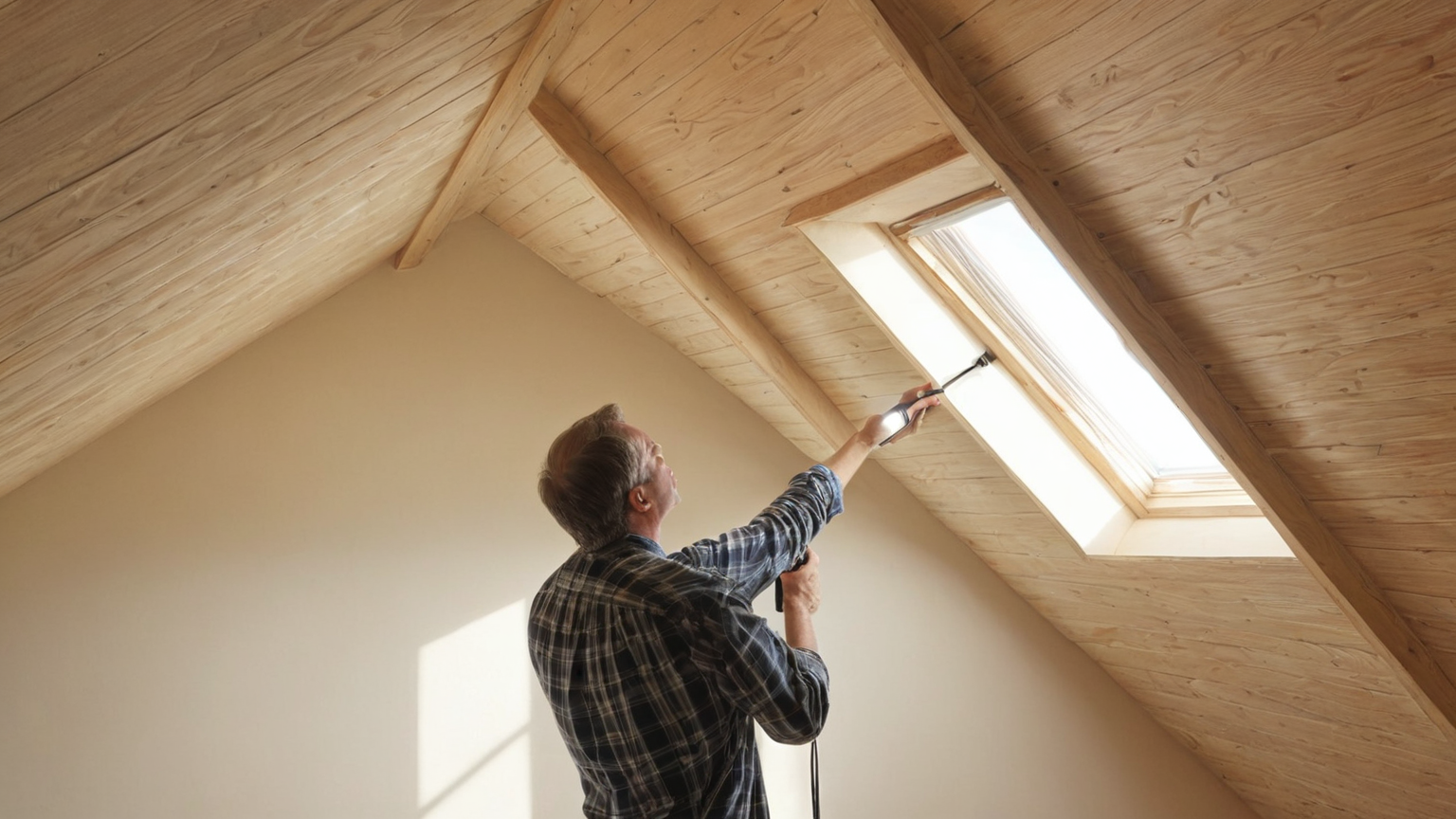
A home energy audit should help you decide what to fix first, not produce a shopping list of gadgets. Comfort complaints often come from leaks, weak insulation, duct issues, moisture, shading, or equipment settings that interact. This guide was reviewed on May 30, 2026 using DOE, ENERGY STAR, and EPA resources. Rebate and tax-credit rules can change, so verify current eligibility before spending money.
Priority map
| Symptom | First check | Why it comes early |
|---|---|---|
| Drafty rooms | Air leaks at attic, windows, doors, rim joists | Leaks waste conditioned air |
| Hot upstairs | Attic insulation and air sealing | Heat transfer often starts above |
| Musty rooms | Moisture and ventilation | Sealing without moisture control can backfire |
| High bills | Usage, envelope, equipment, thermostat | Bills rarely have one cause |
| Planned upgrade | Audit before buying equipment | Smaller loads may change equipment sizing |

Start with observation
Walk the home during windy, hot, or cold conditions and write down rooms that feel different. Look for stained insulation, unsealed attic penetrations, daylight around doors, disconnected ducts, blocked vents, and damp areas. Do not seal a mystery moisture problem just because a checklist says “air sealing.” Find the source first.
Air sealing before adding more insulation
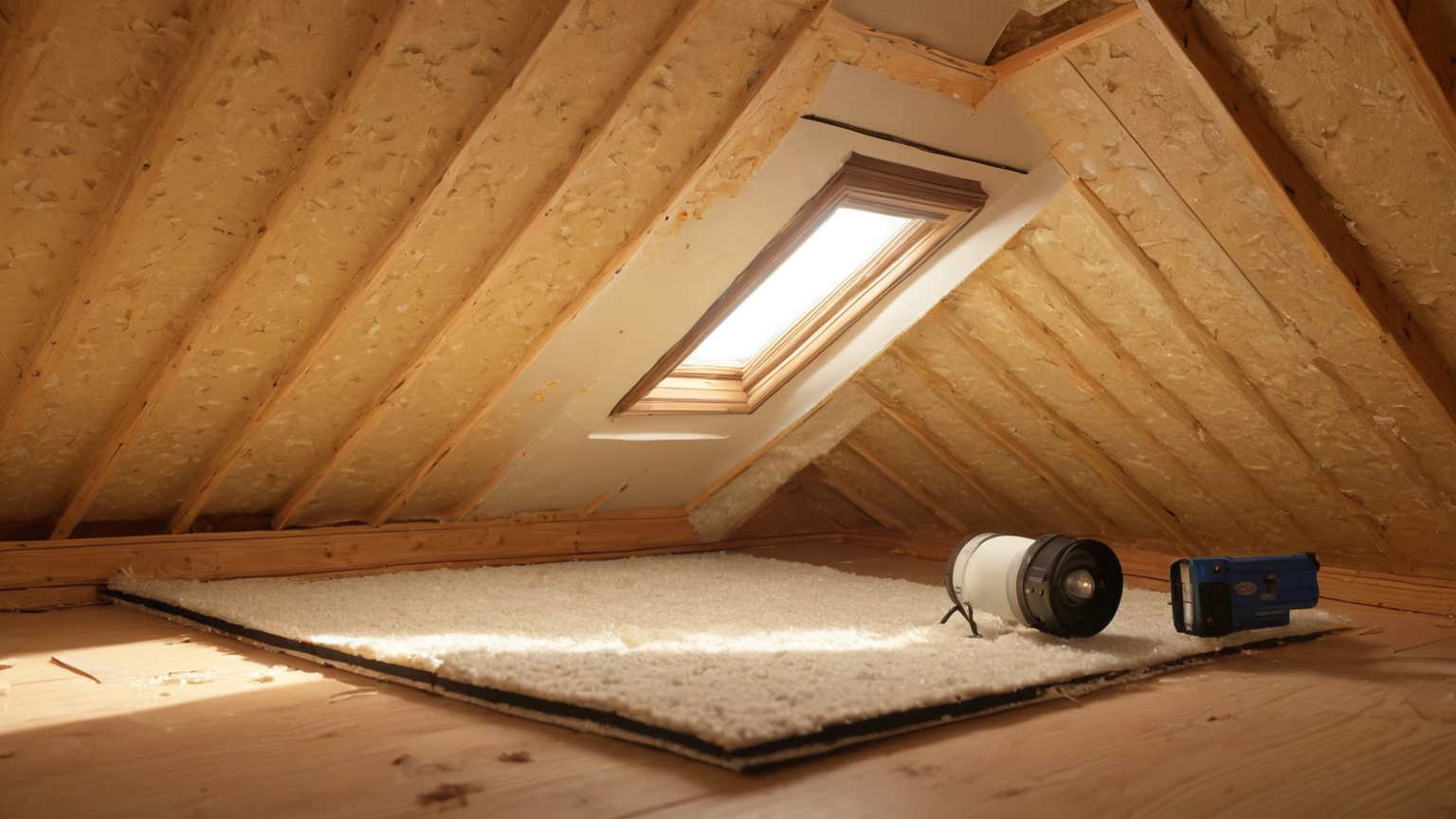
Insulation slows heat flow, but air leaks can bypass it. Attic hatches, plumbing penetrations, recessed fixtures, rim joists, and big chases often deserve attention before buying piles of material. Some work is DIY-friendly; electrical, combustion, roof, mold, and major moisture concerns need qualified help.
Insulation decisions need context
More insulation is not always the first dollar. If existing insulation is wet, compressed, wind-washed, or missing air barriers, fix the condition first. Compare attic, walls, floors over garages, and duct locations. Use local climate guidance and professional assessment when the project affects ventilation, combustion appliances, or building codes.
Comfort is not only the thermostat
Shades, ceiling fans, zoning habits, humidity, filter maintenance, and equipment service all influence comfort. A household that lowers drafts and solar gain may be comfortable at a different thermostat setting without feeling deprived. Track comfort notes with bills so you know whether a change improved daily life, not just a spreadsheet.

Rebates and credits: verify before purchase
Programs, eligible products, income rules, and documentation requirements change. Before signing a contract, confirm the current rule, required certification, invoice language, and whether pre-approval is needed. A contractor promise is not enough; save source pages, product documentation, and dates.

DIY audit checklist
- Photograph attic hatch, weatherstripping, ducts, and problem rooms.
- Note comfort complaints by time of day.
- Check for moisture before sealing.
- Seal obvious safe leaks first.
- Improve insulation only after air bypasses are addressed.
- Keep ventilation and combustion safety in mind.
- Verify incentives before buying.
FAQ
Should I get a professional audit?
If bills are high, comfort problems are confusing, or major upgrades are planned, a professional audit can prevent wrong-order spending.
Can sealing make indoor air worse?
It can if moisture, combustion, or ventilation needs are ignored. Efficiency and indoor air quality should be planned together.
Bottom line
Audit first, seal safe leaks, improve insulation with context, and verify incentives before committing money.