Home Humidity, Dehumidifier, and Mold Prevention Plan
A 2026 room-by-room guide to humidity control, dehumidifier use, ventilation, leak response, and energy-aware comfort.
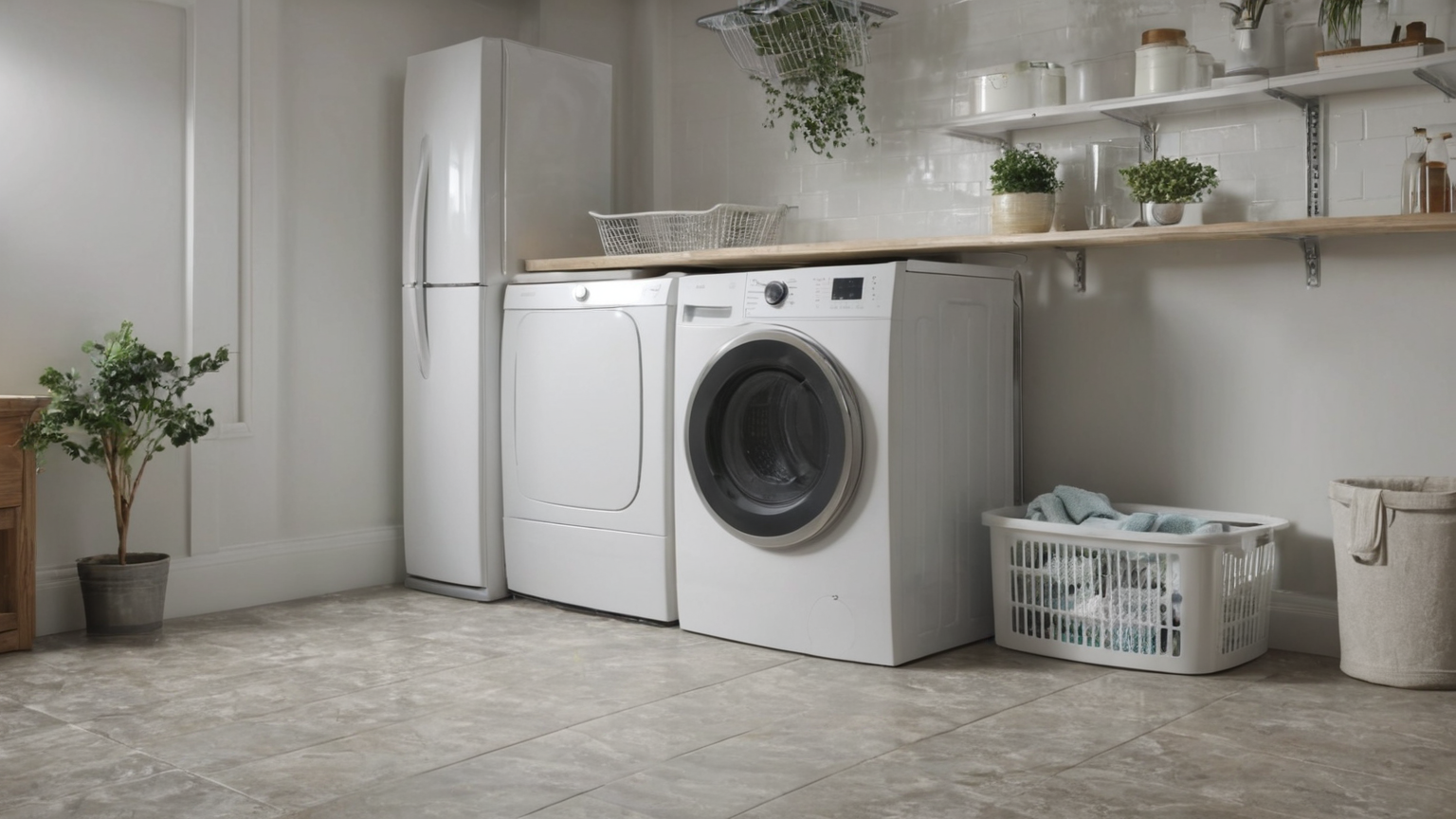
Humidity control is one of the quietest ways to improve comfort, protect materials, and reduce waste at home. This guide was checked on 2026-06-03 against EPA, CDC, DOE, and ENERGY STAR resources. It focuses on practical decisions: finding moisture sources, ventilating, using dehumidifiers wisely, preventing mold, and avoiding energy-wasting shortcuts.
Humidity decision table
| Signal | First response | Mistake to avoid |
|---|---|---|
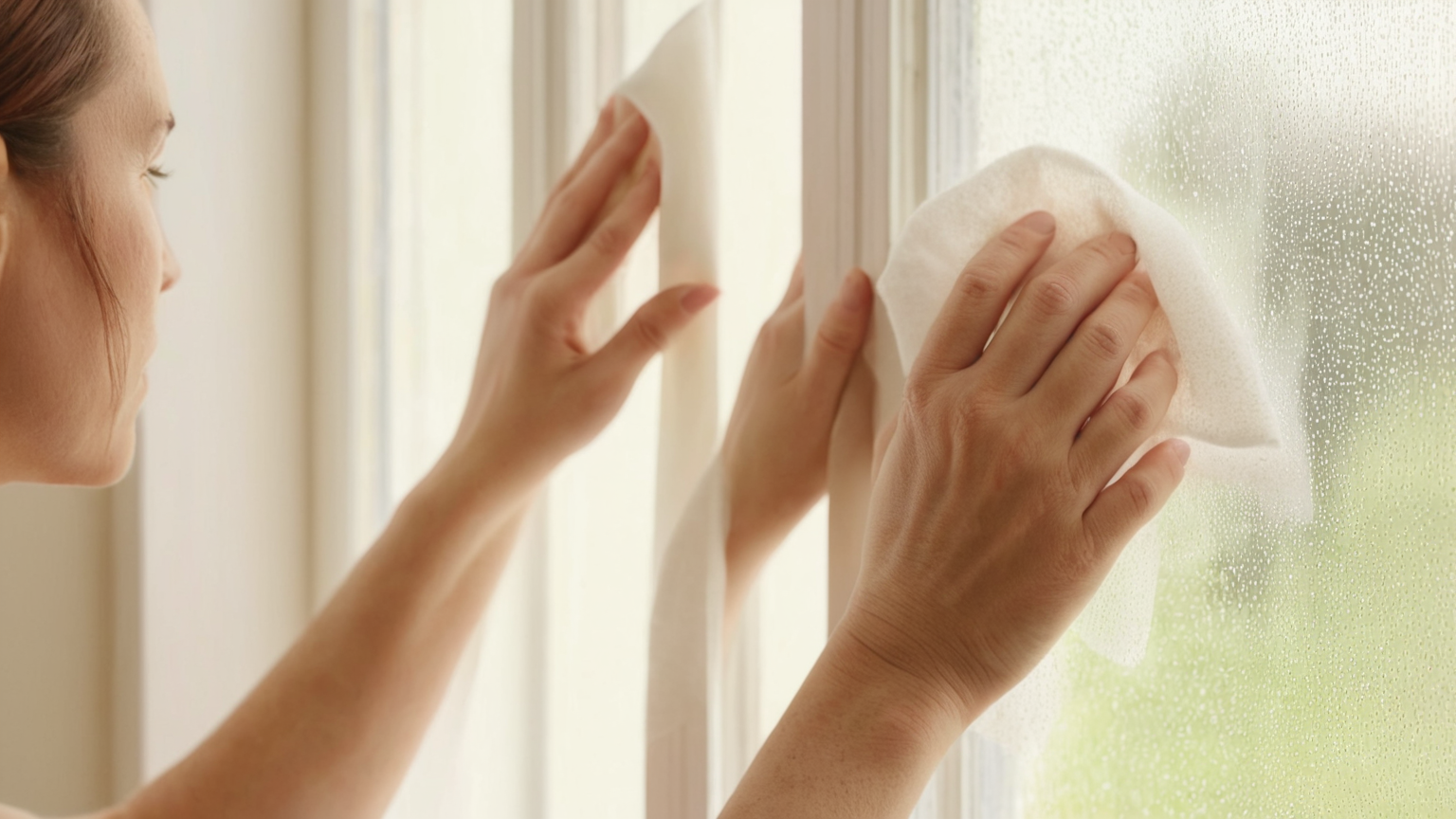
| Window condensation | Reduce moisture source and improve ventilation | Buying a larger appliance before finding the cause |
| Musty smell | Inspect for leaks, damp materials, and hidden storage | Covering odor with fragrance |
| Damp basement | Use drainage, sealing, dehumidification, and raised storage | Storing paper boxes directly on damp floors |
| Bathroom moisture | Run ventilation and dry surfaces after showers | Closing the room and trapping moisture |
| Visible mold or large water damage | Follow EPA/CDC guidance and get qualified help when needed | Scrubbing large or contaminated areas without protection |
Start by finding the water
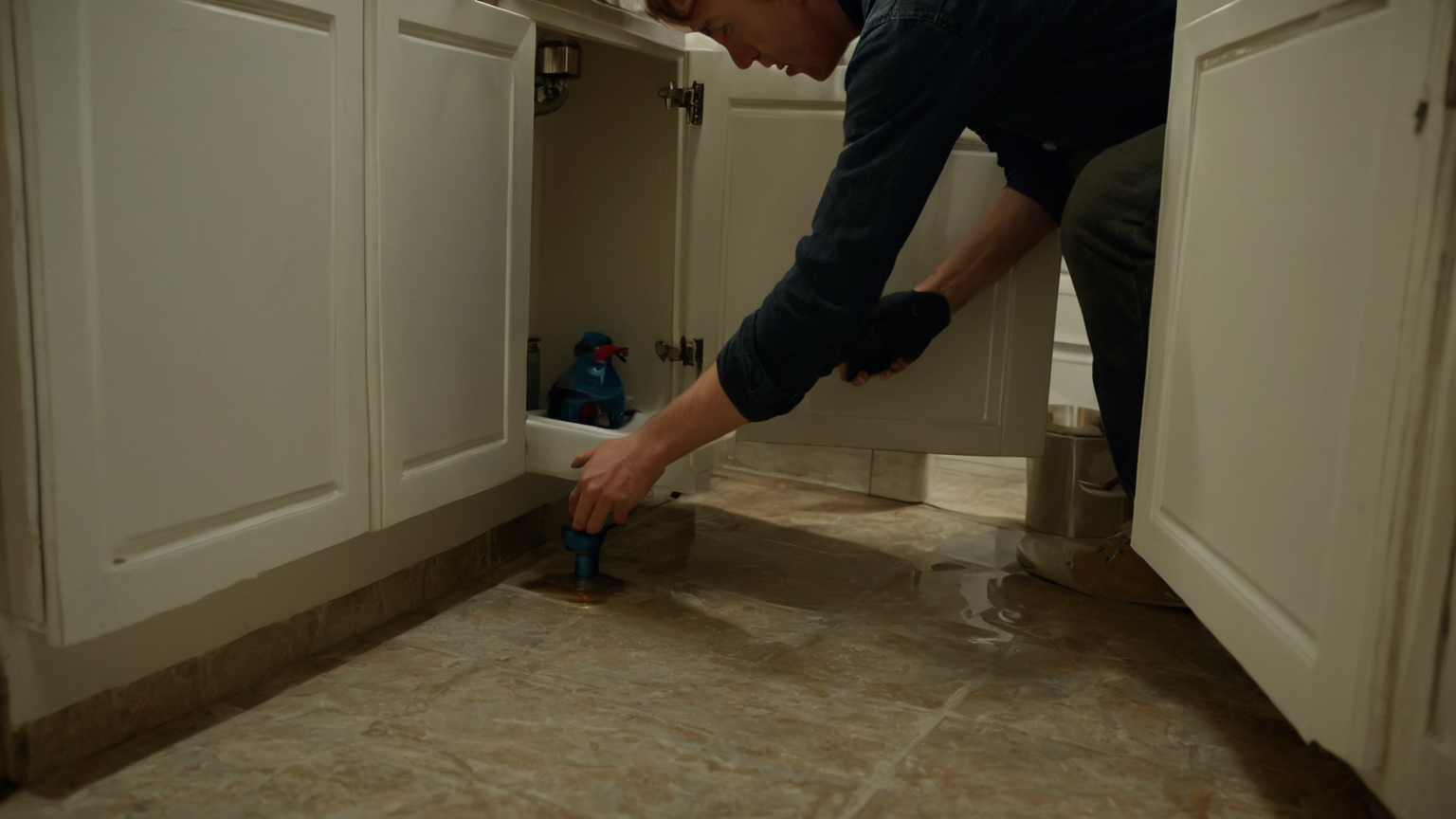
A dehumidifier helps, but it should not hide a leak. Look for plumbing drips, roof or foundation water, blocked gutters, poor bathroom ventilation, damp crawlspaces, and wet storage. If materials were soaked or mold covers a large area, use EPA/CDC cleanup guidance and consider qualified remediation.
A useful home humidity and dehumidifier energy management routine should be boring enough to repeat. Decide the stop rule before you are rushed, keep the official source or label available, and choose the option that leaves a margin for mistakes. The goal is not a perfect checklist; it is a safer weekday decision when heat, fatigue, clutter, schedules, and limited attention make shortcuts tempting.
Ventilate at the source
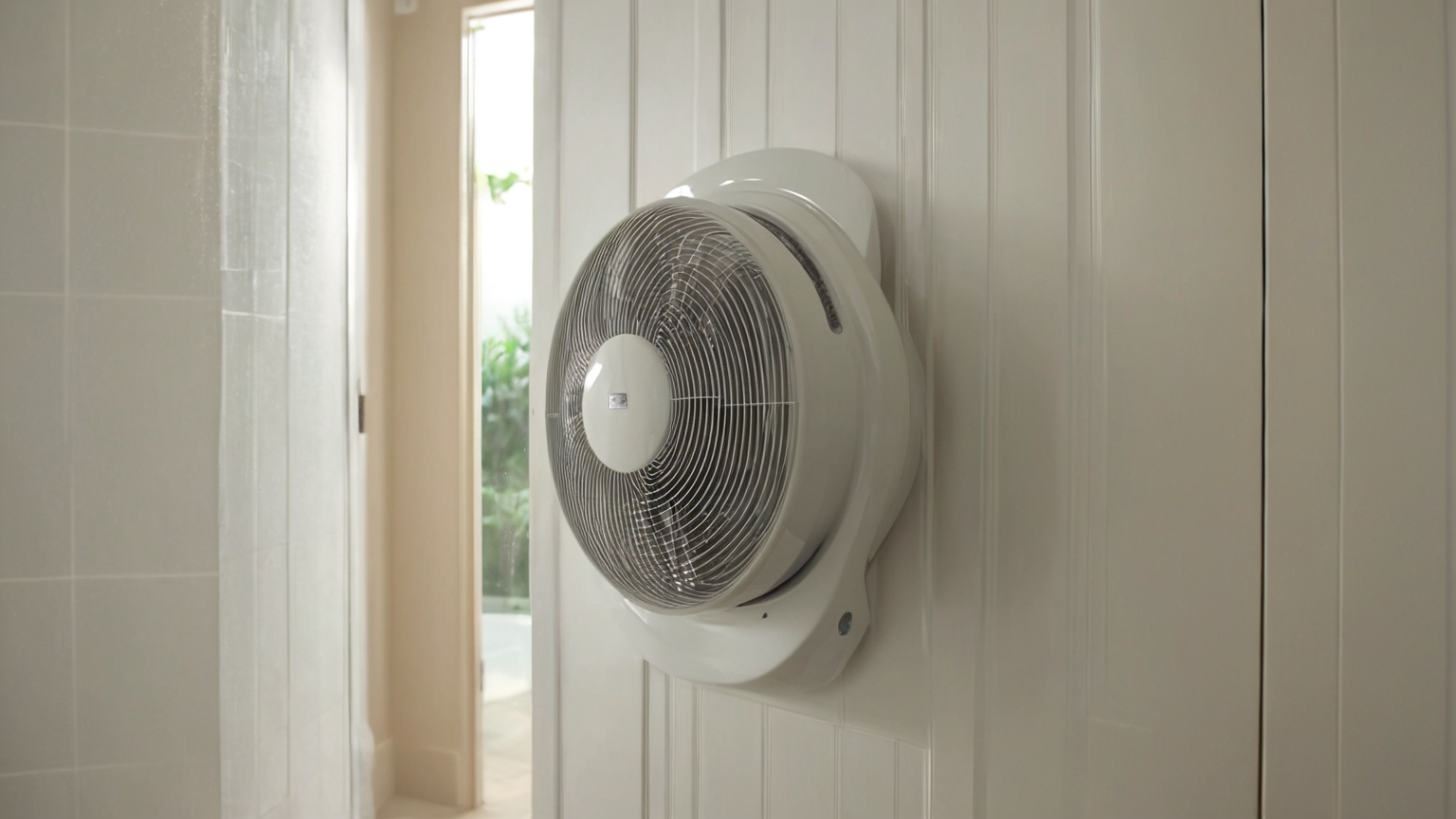
Bathrooms, kitchens, laundry areas, and basements need moisture control where the moisture is created. Use exhaust fans when appropriate, dry surfaces after heavy moisture events, and keep doors or transfer air paths reasonable so damp air is not trapped in one room. Ventilation should improve indoor air quality, not pull pollutants from unsafe places.
Use dehumidifiers as targeted tools
Choose an ENERGY STAR model sized for the damp area, keep airflow clear, clean filters, empty or drain water safely, and place it where air can circulate. Running a dehumidifier in a leaky or open-to-outdoors space wastes energy. Track whether the room actually feels and smells drier after source fixes.
Store for dry recovery
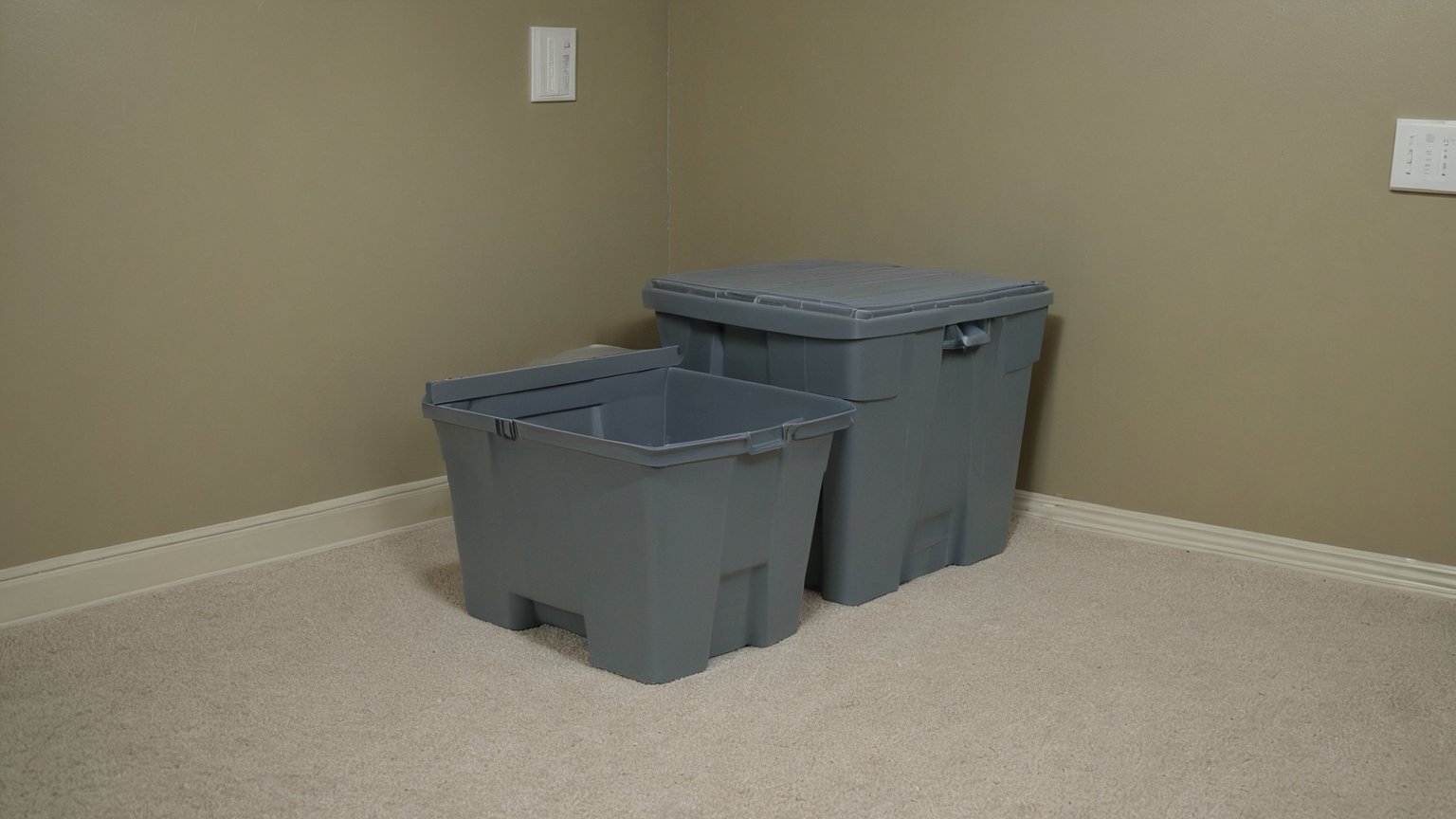
Basements and utility rooms should be arranged for inspection. Raise boxes off floors, leave space near walls, use washable bins for vulnerable items, and avoid dense clutter that hides leaks. If a storm or plumbing problem occurs, quick drying is easier when storage is not packed tight.
Balance comfort, energy, and health
Humidity affects how warm or cool a room feels. Air conditioning, ventilation, sealing, shading, and dehumidification work together. During heat events, prioritize safe indoor temperatures for vulnerable people. During smoke or outdoor pollution, follow local guidance before opening windows for moisture relief.
Room-by-room checklist
- Look for leaks before buying equipment.
- Run bathroom and kitchen ventilation at the source.
- Keep dehumidifier airflow clear and maintain filters.
- Raise moisture-sensitive storage off basement floors.
- Dry wet materials quickly and discard what cannot be cleaned safely.
- Avoid fragrances or paint as mold solutions.
- Plan sealing, drainage, and insulation improvements before the next damp season.
Example decision
A musty basement corner is not solved by adding scent or hiding boxes. The homeowner checks for water entry, raises storage, runs a properly sized dehumidifier, cleans washable surfaces, and schedules drainage or sealing work if dampness returns.

FAQ summary
Humidity control works best when source repair, ventilation, dehumidification, storage layout, and cleanup rules are treated as one system rather than separate gadgets.