Low-VOC Paint and Ventilation: A Safer Room Refresh Checklist
A practical 2026 guide to low-VOC paint choices, ventilation, timing, leftover disposal, and safer room refreshes without greenwashing assumptions.
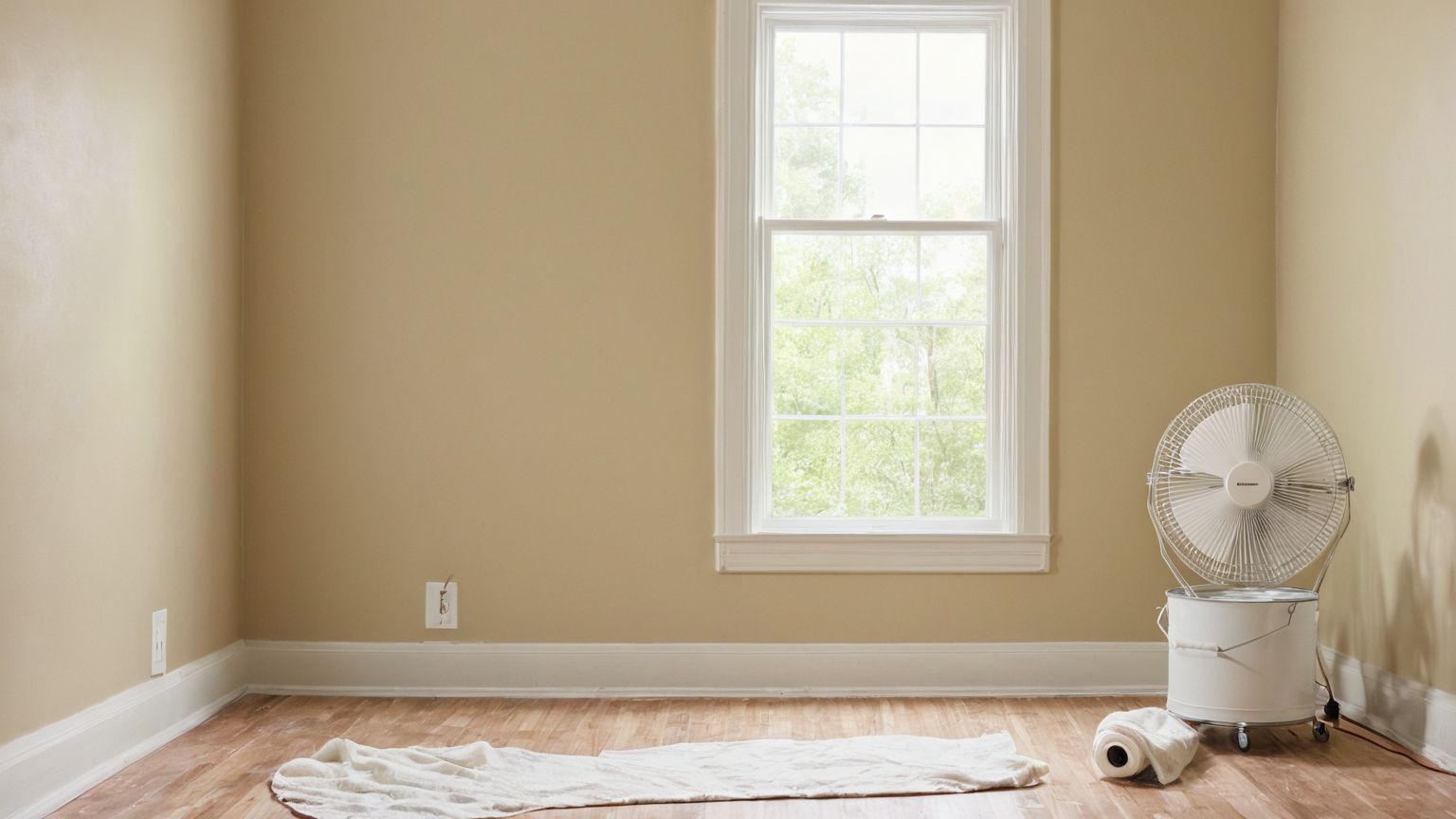
A low-waste room refresh is not just a nicer paint color. Paint can affect indoor air quality during application and drying, while leftover cans become a disposal problem if you buy too much or store them badly. This guide uses current EPA indoor-air and household hazardous-waste resources, plus VOC program context checked in May 2026, to build a practical checklist for renters and homeowners.
The short version
| Decision | Better habit | Caveat |
|---|---|---|
| Product | Choose lower-VOC options from reputable lines | “Low odor” is not the same as zero emissions |
| Quantity | Measure walls before buying | Keep a small touch-up amount |
| Timing | Paint when ventilation is possible | Avoid sleeping in a freshly painted room |
| Cleanup | Save or donate usable leftovers | Follow local disposal rules |
| Claims | Read the data sheet | Do not rely only on front-label marketing |
Low-VOC does not mean no planning
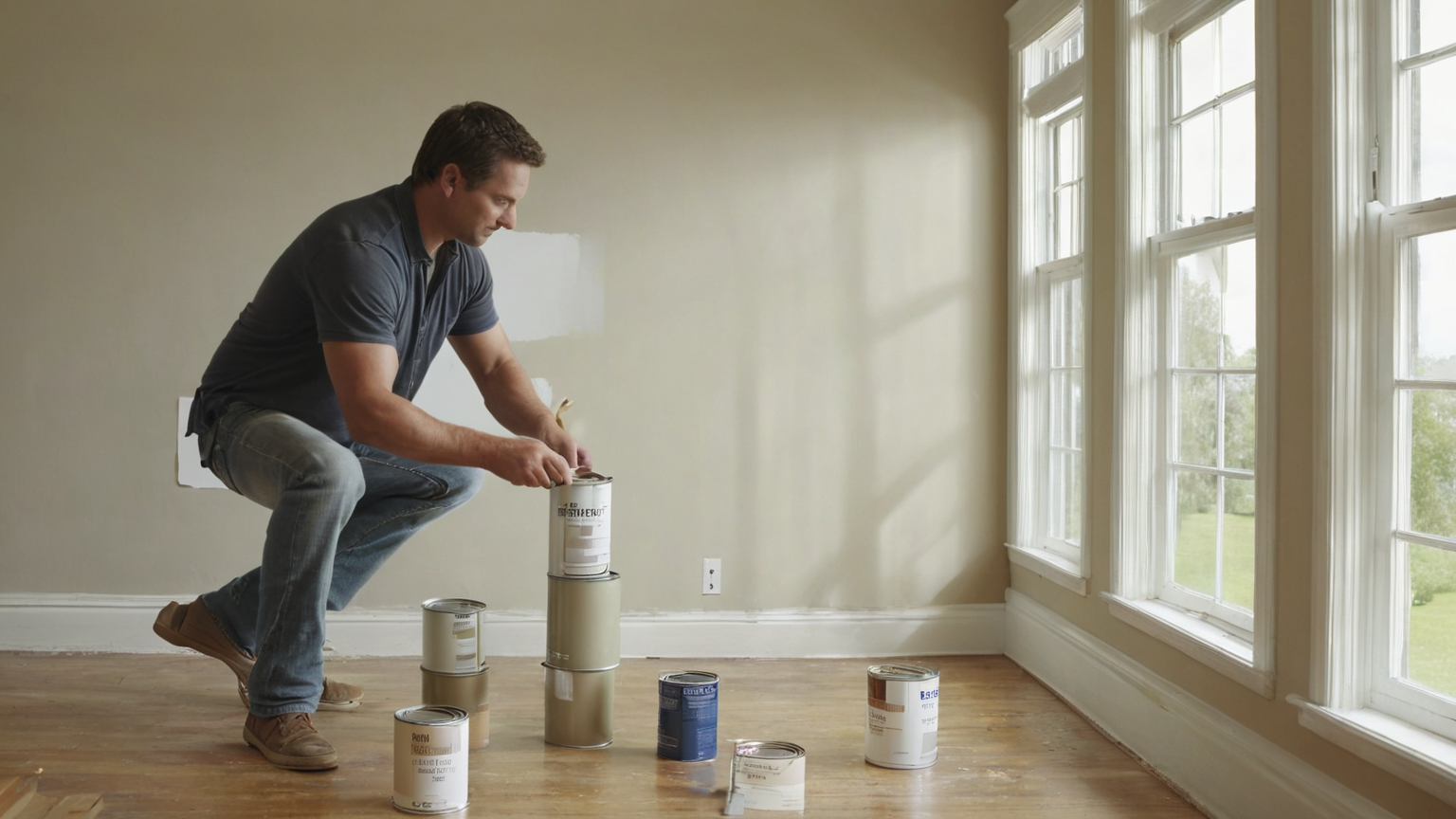
Lower-VOC paint can reduce one source of indoor emissions, but application still matters. Primers, colorants, specialty coatings, stains, and cleaning products may have different emission profiles. Read the product data sheet, follow the label, and avoid stacking multiple high-odor projects in one closed room.
Ventilation checklist
- Open windows where outdoor conditions allow.
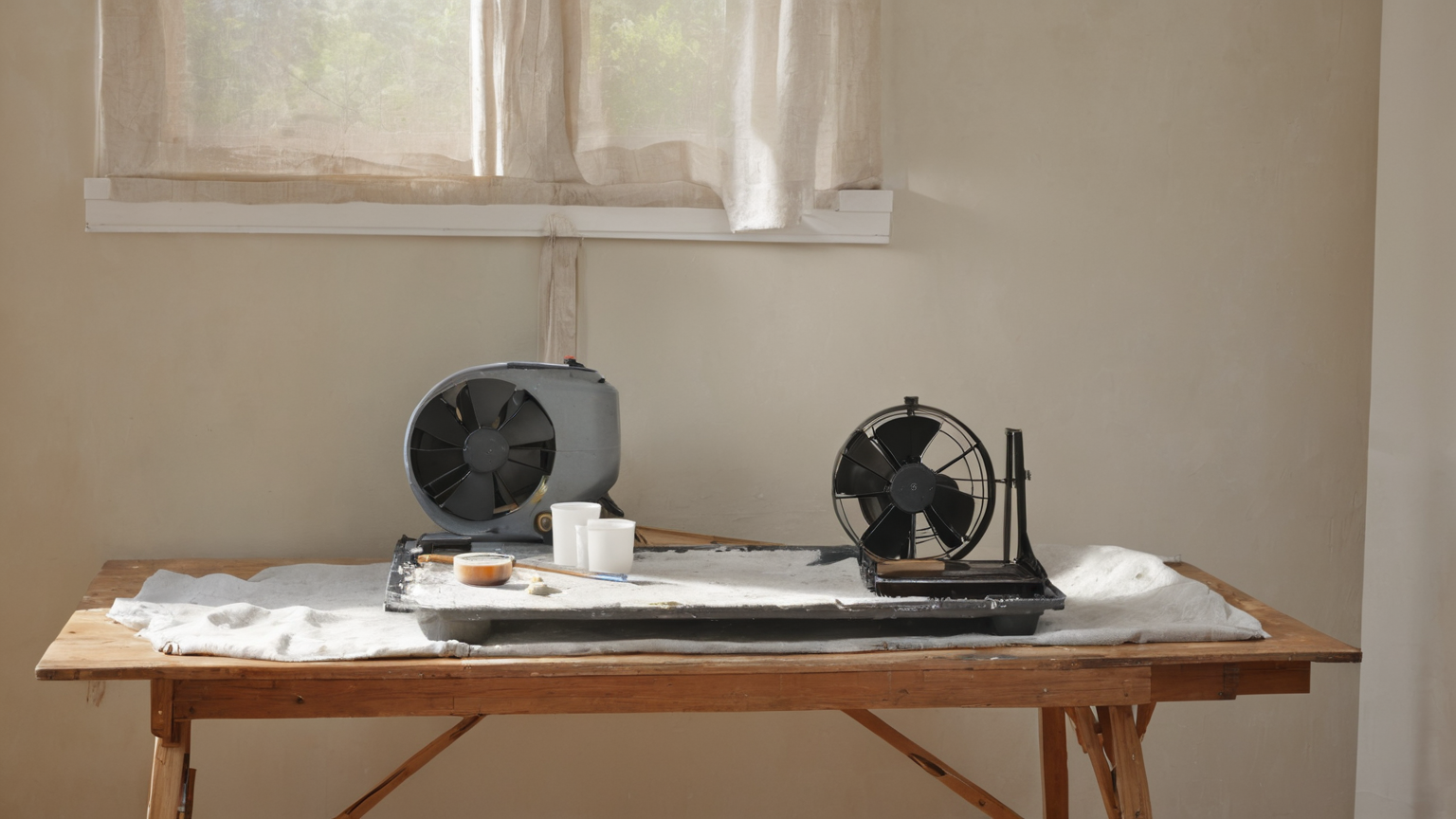
- Use a fan to move air outward, not just around the room.
- Keep children, pets, and sensitive occupants away during painting.
- Close containers when not actively pouring.
- Continue ventilation during early drying.
- Delay moving fabric items back if the room still smells strongly.
Choose the right finish instead of repainting often
Durability is part of sustainability. A washable finish in a hallway or child’s room may prevent frequent repainting, while a flatter finish may be fine for a quiet bedroom. Sample first so you do not repaint because the color changed under evening light.
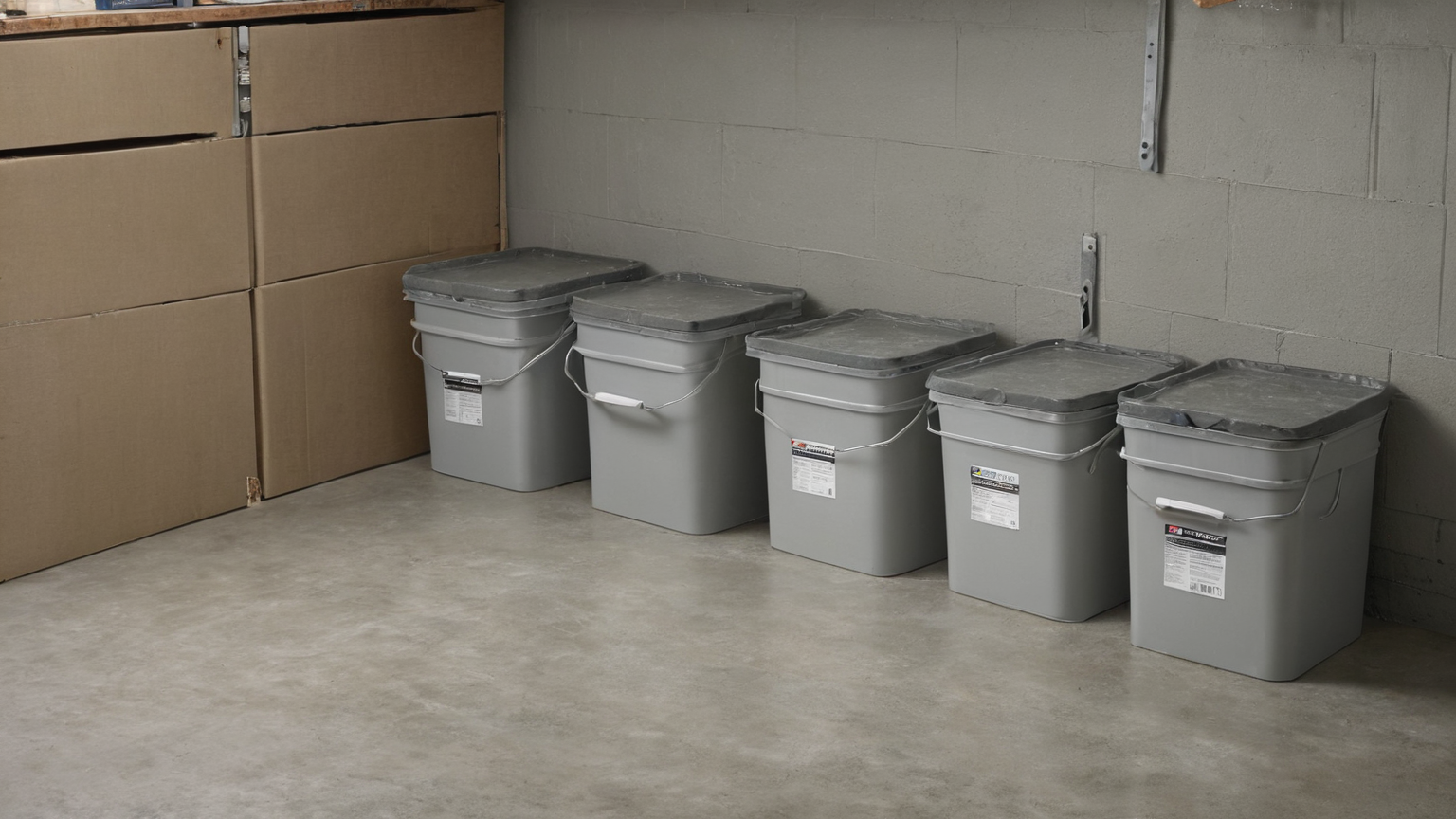
Leftover paint plan
| Situation | Best next step |
|---|---|
| Small amount for touch-up | Store sealed, labeled, and away from heat |
| Usable extra gallon | Donate or use on a planned project if local rules allow |
| Dried unusable latex | Follow local solid-waste instructions |
| Oil-based or specialty coating | Treat as household hazardous waste unless local rules say otherwise |
Greenwashing watch-outs
Words like eco, natural, clean, and odorless are not enough. Look for specific VOC information, certification details where relevant, and instructions that match your room and occupants. A responsible product page should make limitations clear; a vague claim should make you slow down.
Room refresh sequence
- Repair and clean walls before buying paint.
- Measure square footage and estimate coats.
- Buy a sample, then the smallest practical amount.
- Ventilate and paint in manageable sections.
- Let the room air out before normal use.
- Store or dispose of leftovers responsibly.
When low-VOC is still not enough
Low-VOC paint can reduce odor and emissions, but it does not make every room or every person risk-free. Extra caution is warranted for nurseries, bedrooms used by people with asthma or chemical sensitivity, small bathrooms with poor exhaust, and rooms where pets or children cannot be kept away while surfaces cure. If ventilation is weak, paint one zone at a time, keep doors open where safe, and use a fan to move air outward rather than across wet paint toward living areas. Store leftover paint tightly sealed and follow local disposal rules for anything you will not use. A greener refresh is the combination of product choice, ventilation, timing, cleanup, and honest limits.
Bottom line
The greener paint project is specific, ventilated, durable, and planned. Choose lower-emission products, buy the right amount, protect indoor air during drying, and treat leftovers as part of the project rather than an afterthought.