Low-Waste Laundry Routine: Cold Water, Full Loads, and Clothes That Last
A practical 2026 low-waste laundry guide: cold-water washing, load size, drying choices, microfiber reduction, stain handling, and garment longevity.
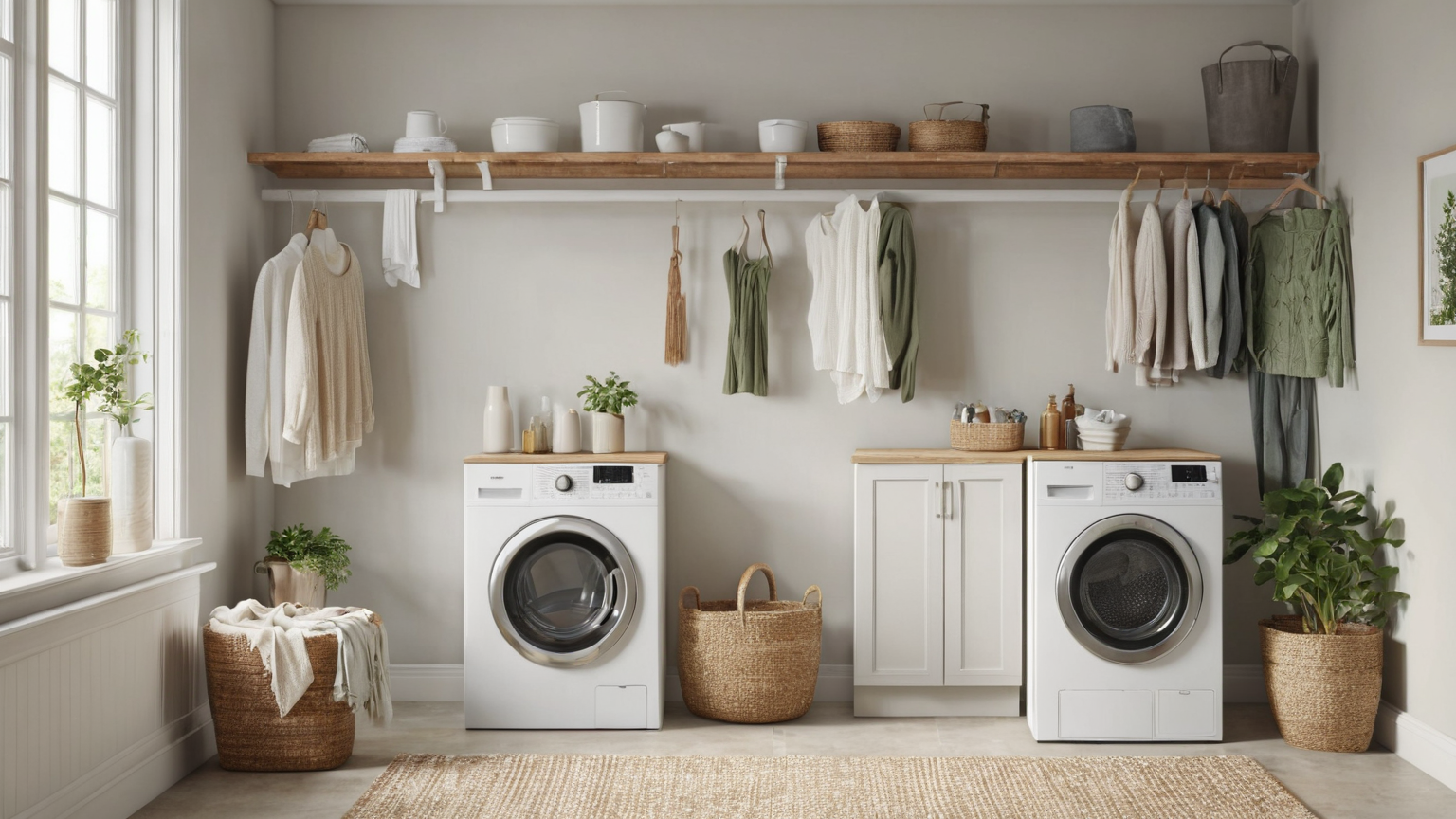
Low-waste laundry is not about buying a shelf of special products. The biggest wins are ordinary habits: wash colder when the care label allows it, run appropriately full loads, dry gently, treat stains early, and make garments last longer. This guide uses current ENERGY STAR, DOE, EPA textile-waste, and FTC care-label resources as of May 2026.
The routine at a glance
| Habit | Low-waste benefit | Watch-out |
|---|---|---|
| Wash cold when suitable | Saves energy and reduces color fading | Use warm/hot when hygiene or label requires |
| Fill, not overfill | Fewer cycles per week | Clothes still need room to move |
| Measure detergent | Less residue and rewash | More soap is not cleaner |
| Air dry selectively | Less heat damage | Manage humidity and stiffness |
| Repair and de-pill | Extends garment life | Do not over-shave delicate knits |
Sort by soil level, not just color
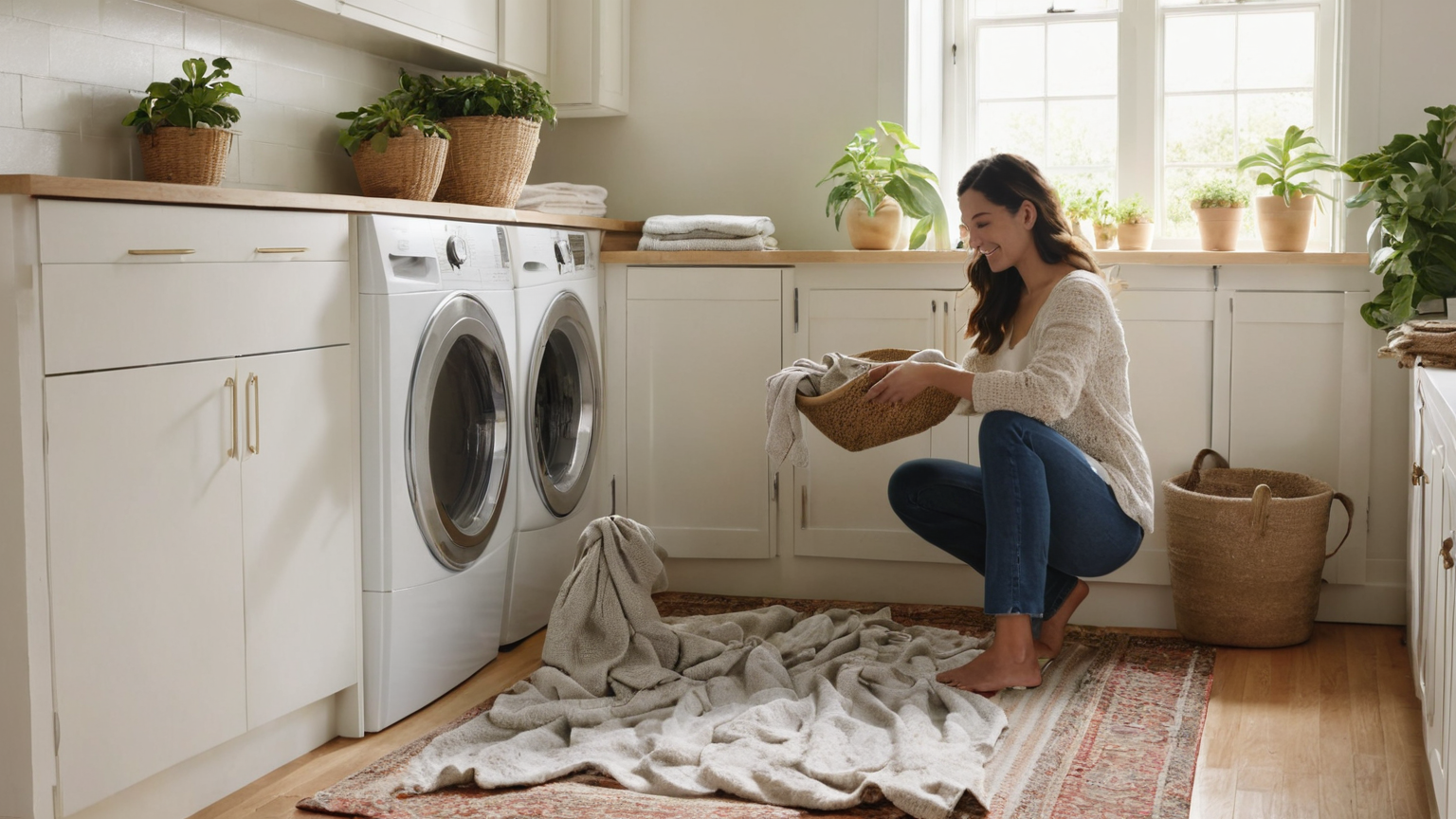
Color sorting prevents dye transfer, but soil level matters for water and detergent choices. Lightly worn office clothes do not need the same cycle as muddy towels. Separating heavy lint producers from synthetics also reduces lint transfer and rewash frustration.
Cold water is the default, not the only setting
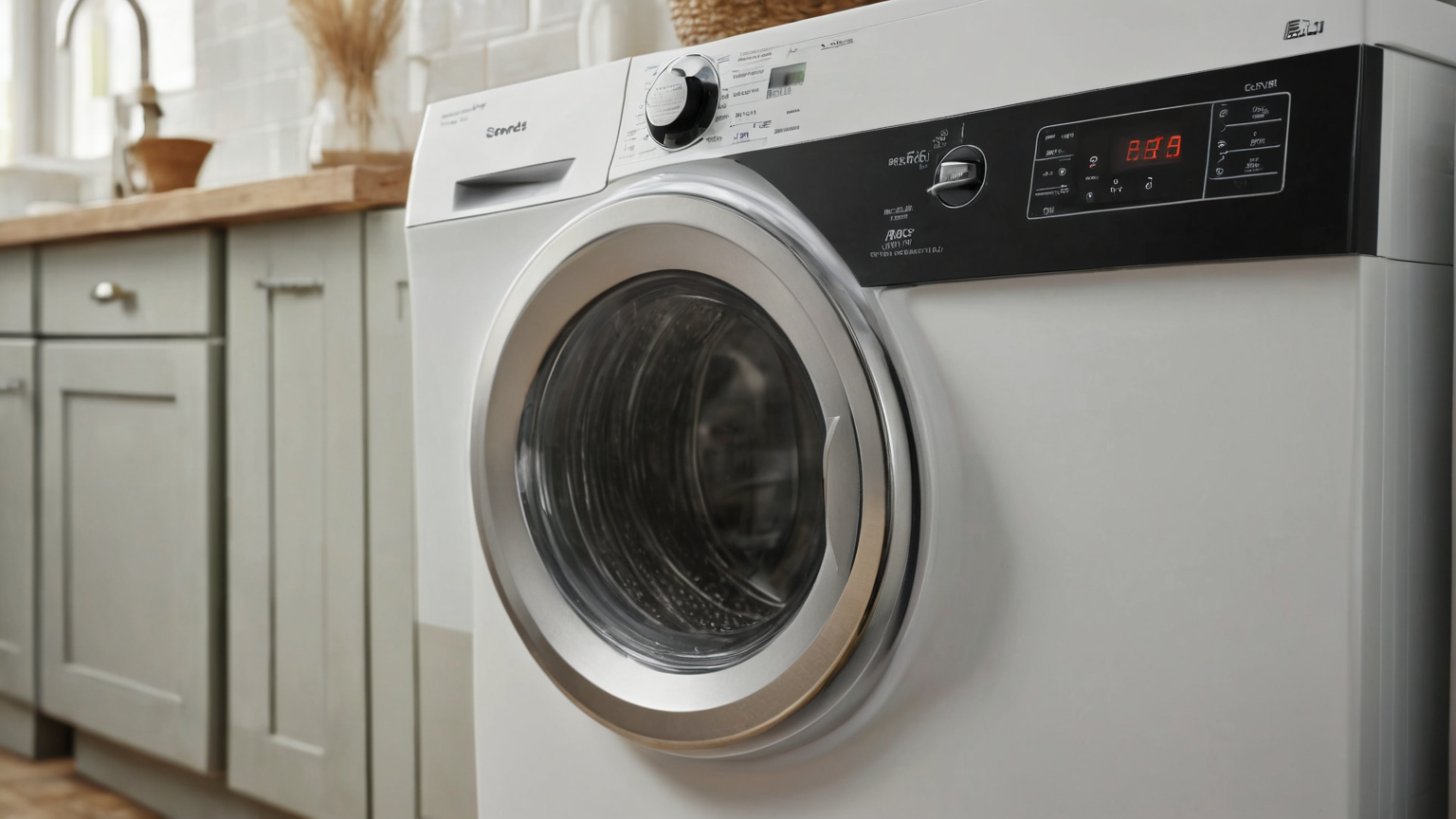
Modern detergents often work well in cold water, and DOE/ENERGY STAR guidance emphasizes the energy savings of lower-temperature washing. Still, follow care labels and use warmer settings when the item, soil, or hygiene context calls for it. The sustainable choice is the lowest effective setting, not a rule that ignores reality.
Drying choices make clothes last
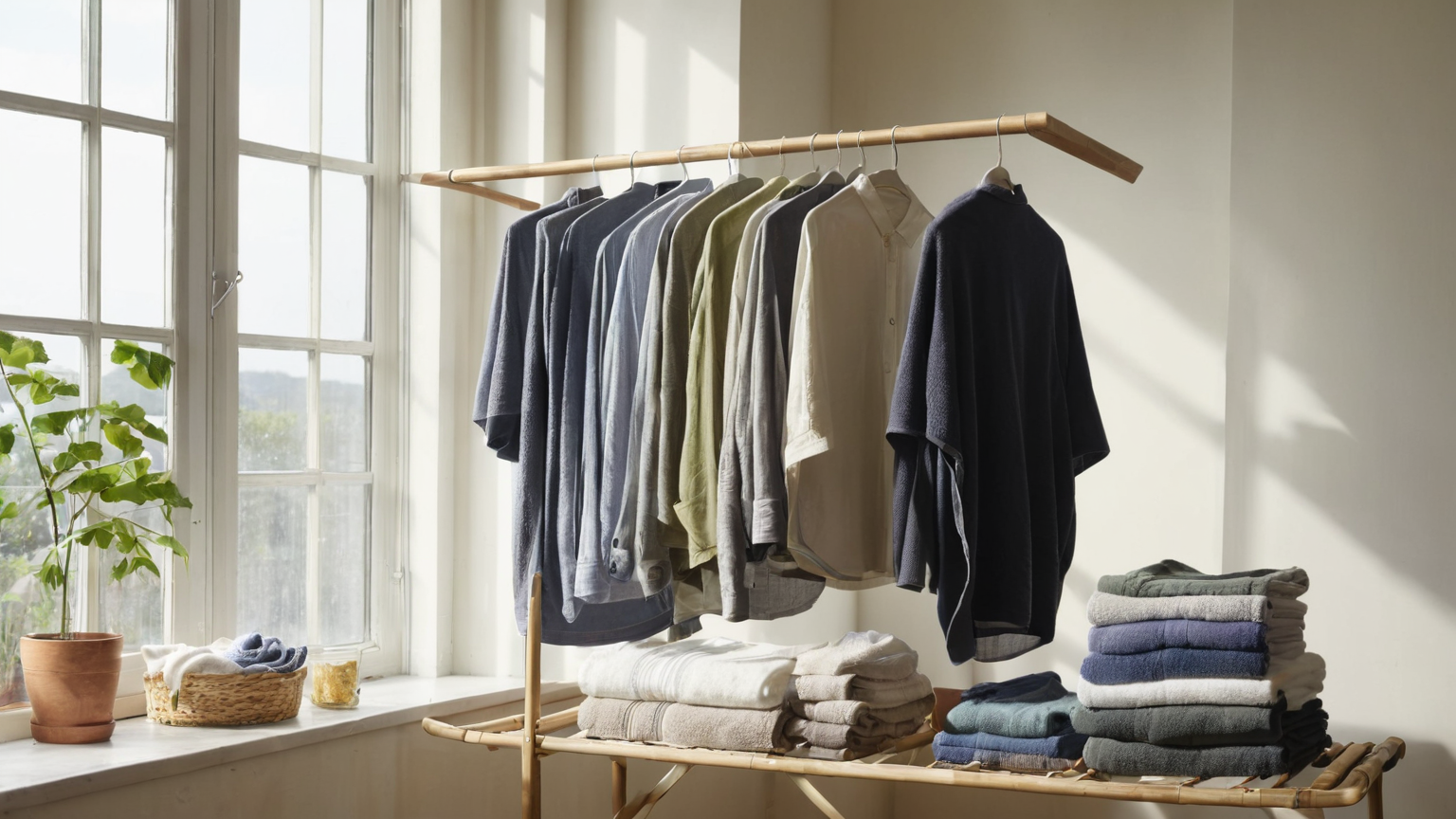
High heat can shrink, fade, and fatigue elastic. Air drying shirts, workout wear, denim, and delicate items can extend life. If you machine dry, use sensor dry when available and remove clothes when dry rather than baking them for an extra cycle.
Stain response ladder
- Blot; do not grind the stain deeper.
- Rinse from the back when appropriate.
- Pre-treat with a product compatible with the fabric.
- Wash on the lowest effective setting.
- Confirm the stain is gone before drying; heat can set stains.
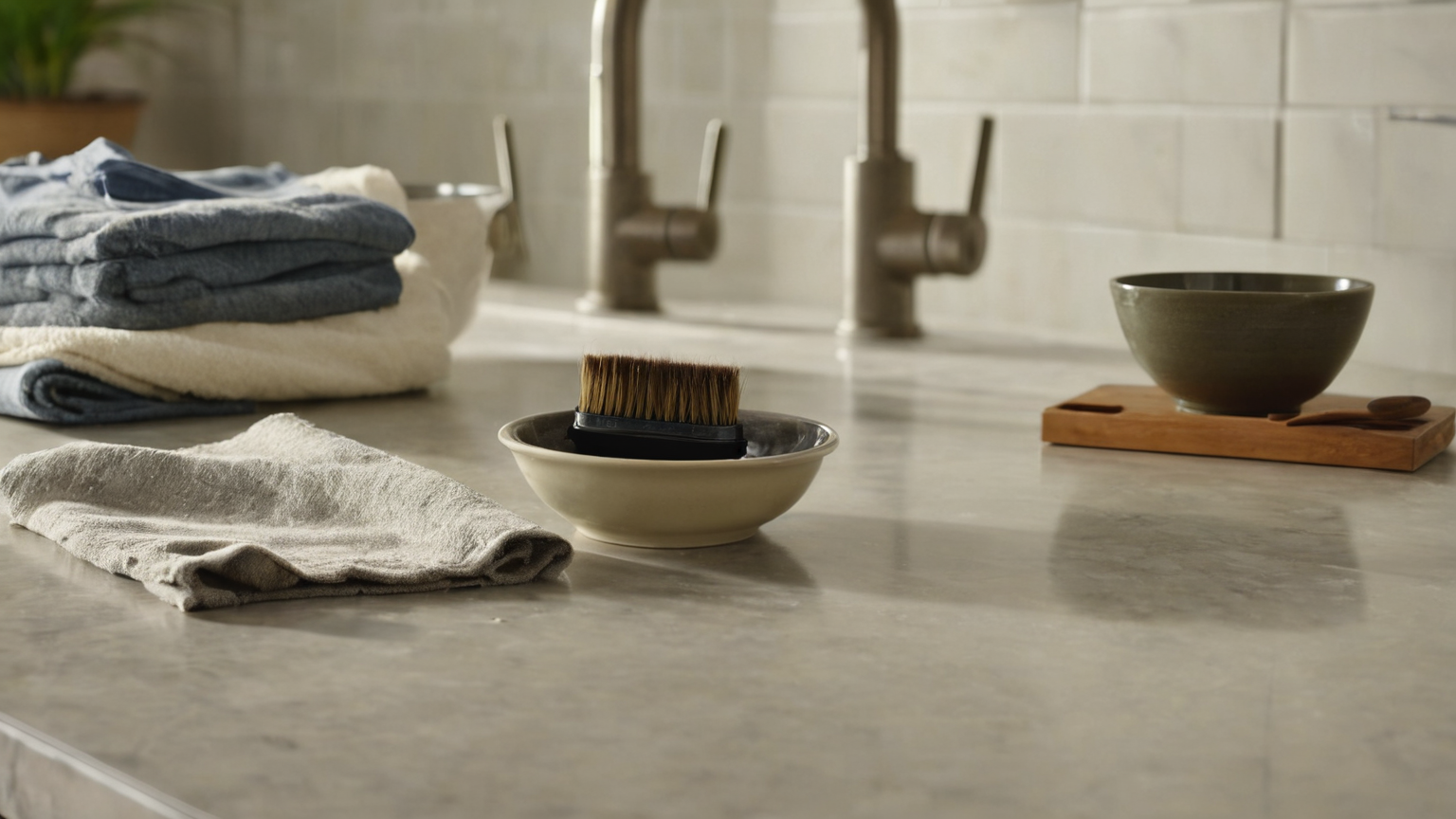
Make the garment the unit of sustainability
A slightly greener detergent cannot compensate for replacing clothes too often. Brush lint, mend small seams, rotate shoes and sweaters, and store clothes dry and clean. If an item pills, treat the surface gently before deciding it is worn out.
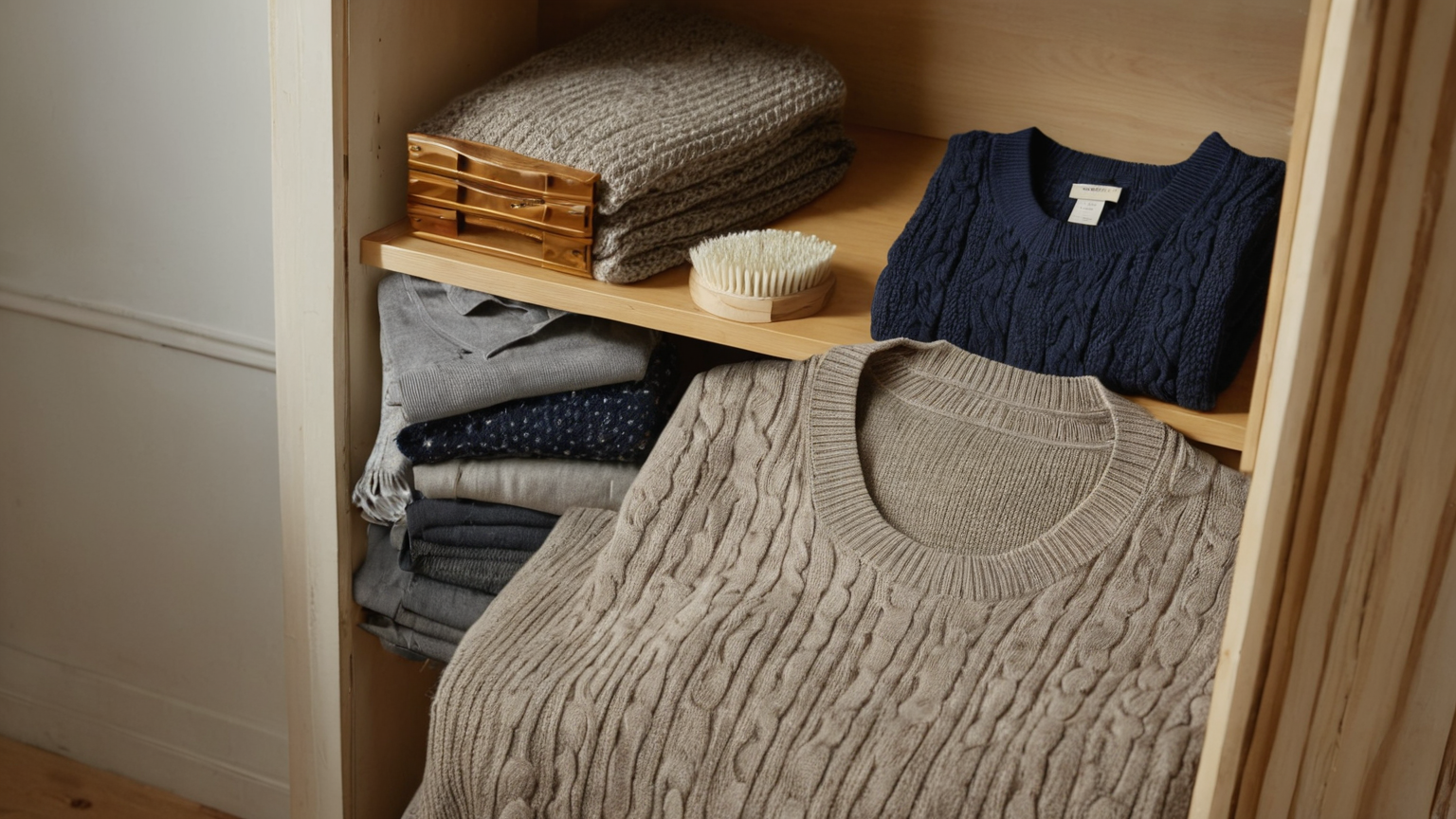
Simple weekly checklist
- Choose cold for normal loads when labels allow.
- Run full but not stuffed loads.
- Measure detergent to the load size.
- Air dry heat-sensitive items.
- Clean the lint filter and washer gasket.
- Repair one small garment issue before it becomes a discard.
Bottom line
Low-waste laundry is a system of small frictions removed: fewer rewashes, less heat damage, better stain timing, and longer garment life. Start with cold water and drying choices, then improve the closet-care habits that keep clothes in use.