Rain Barrel Drought Garden Water Safety Plan
A 2026 practical rain-barrel guide covering legal checks, first-flush limits, mosquito control, non-potable labeling, overflow, drought watering, and garden priorities.
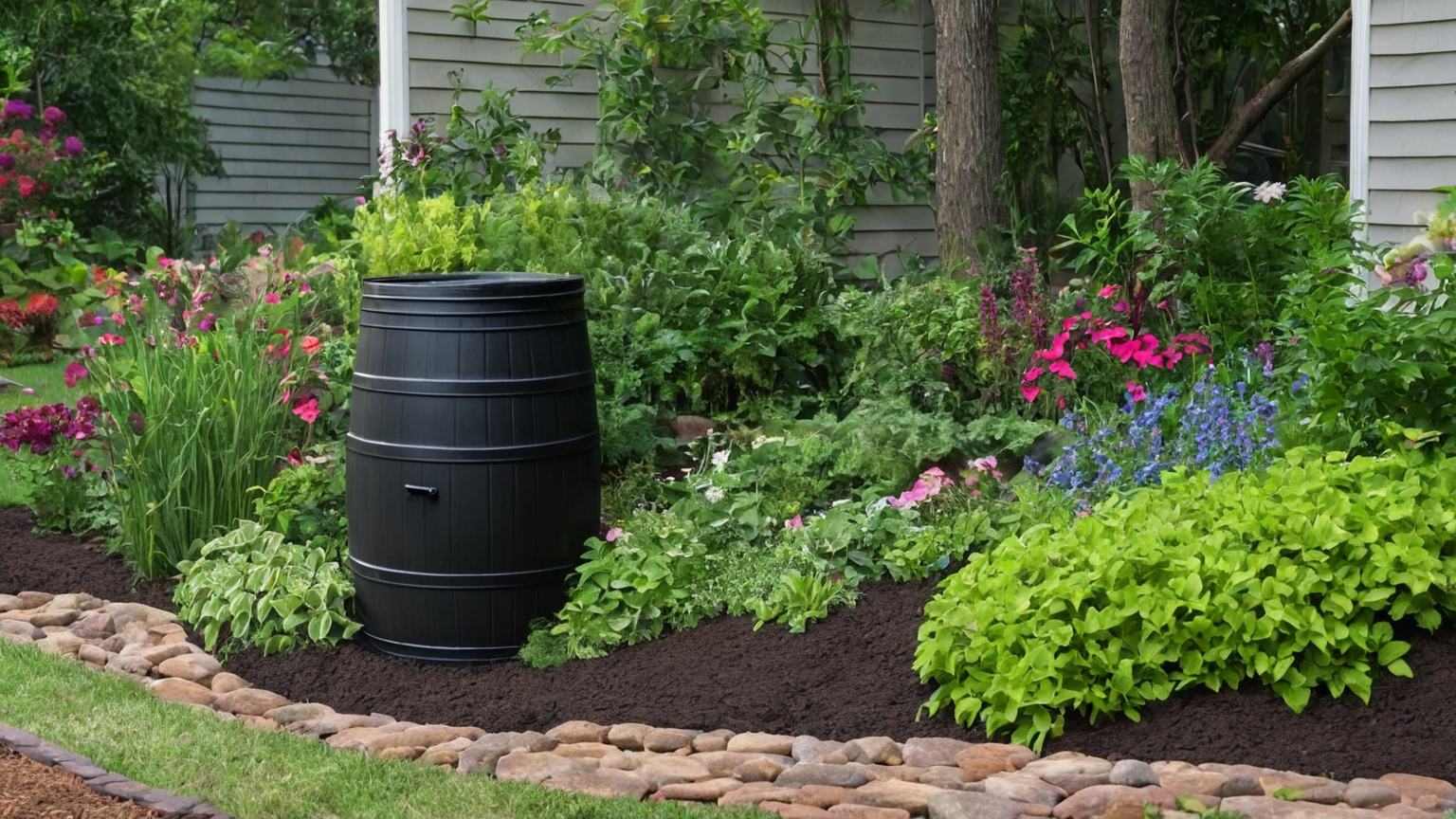
A rain barrel can help a garden through dry spells only when it is legal, covered, maintained, and used for the right purpose. This guide was checked on 2026-06-05 against the listed official and authoritative sources. It is designed as a practical decision aid: confirm current conditions, choose the lower-risk option, document what you actually did, and stop before a rushed shortcut turns a small problem into a safety issue.
Quick decision table
| Situation | Safer choice | Mistake to avoid |
|---|---|---|
| Local rules unclear | Check city or extension guidance | Buying hardware first |
| Barrel uncovered | Add lid and screen | Creating mosquito habitat |
| Full barrel in storm | Route overflow safely | Sending water toward foundation |
| Drought restrictions | Prioritize plants and follow rules | Watering everything lightly and often |
1. Start with the non-negotiable rule
Treat collected roof runoff as non-potable unless a qualified system and local rules say otherwise; prevent mosquito breeding, route overflow safely, and follow local watering restrictions. A useful plan names the line you will not cross before the day becomes busy. That line may be a symptom stop rule, a tested-recipe rule, an evacuation trigger, or a product-label limit. Write it down, share it with the person affected, and make the safe option easier than the risky one.
The reason this matters for AdSense and reader trust is simple: a high-quality article should reduce harm, not merely collect keywords. The page gives practical steps, points to primary sources, and avoids pretending that one generic checklist fits every home, road, kitchen, or body.
2. Build the setup before you need it
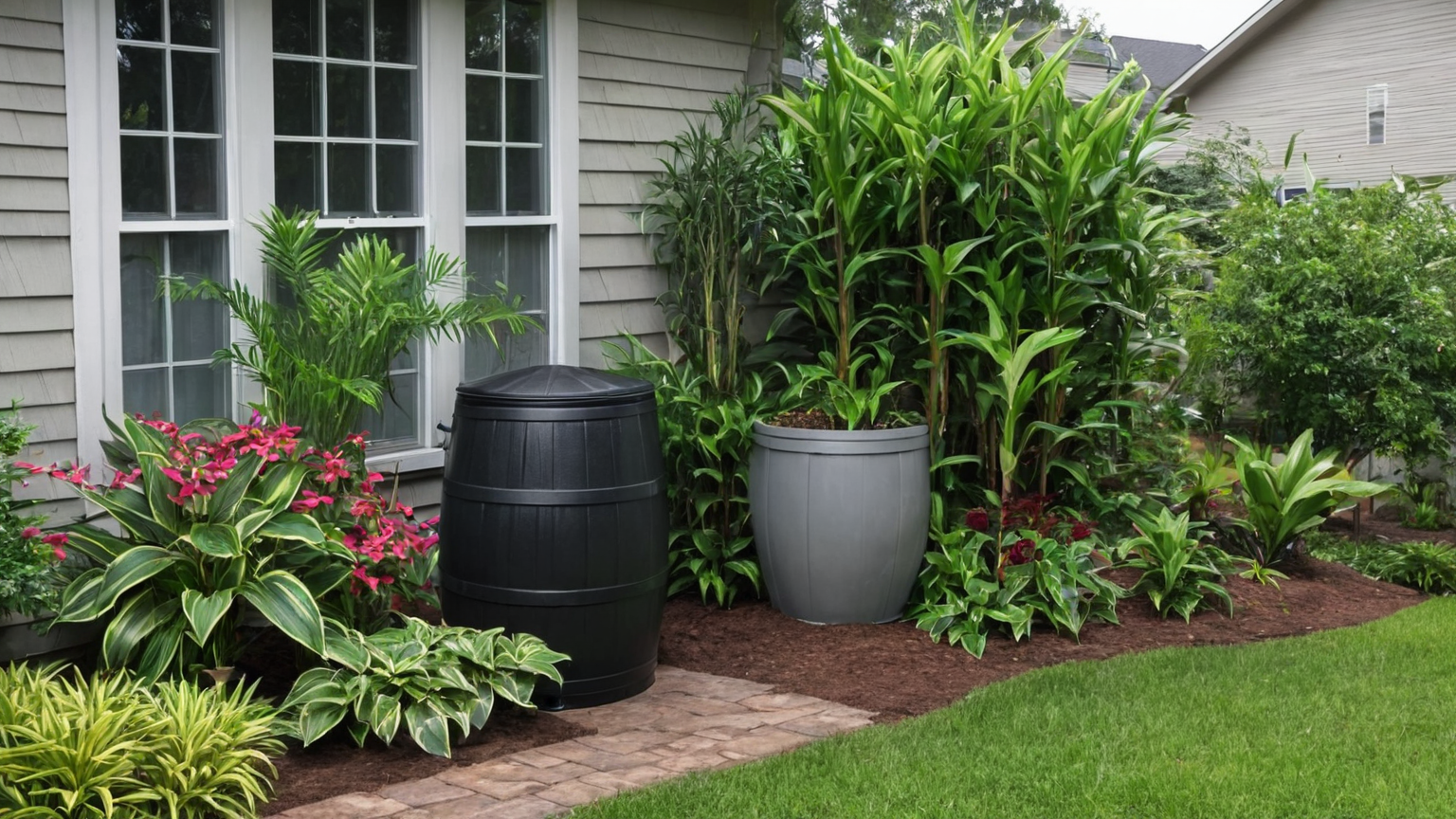
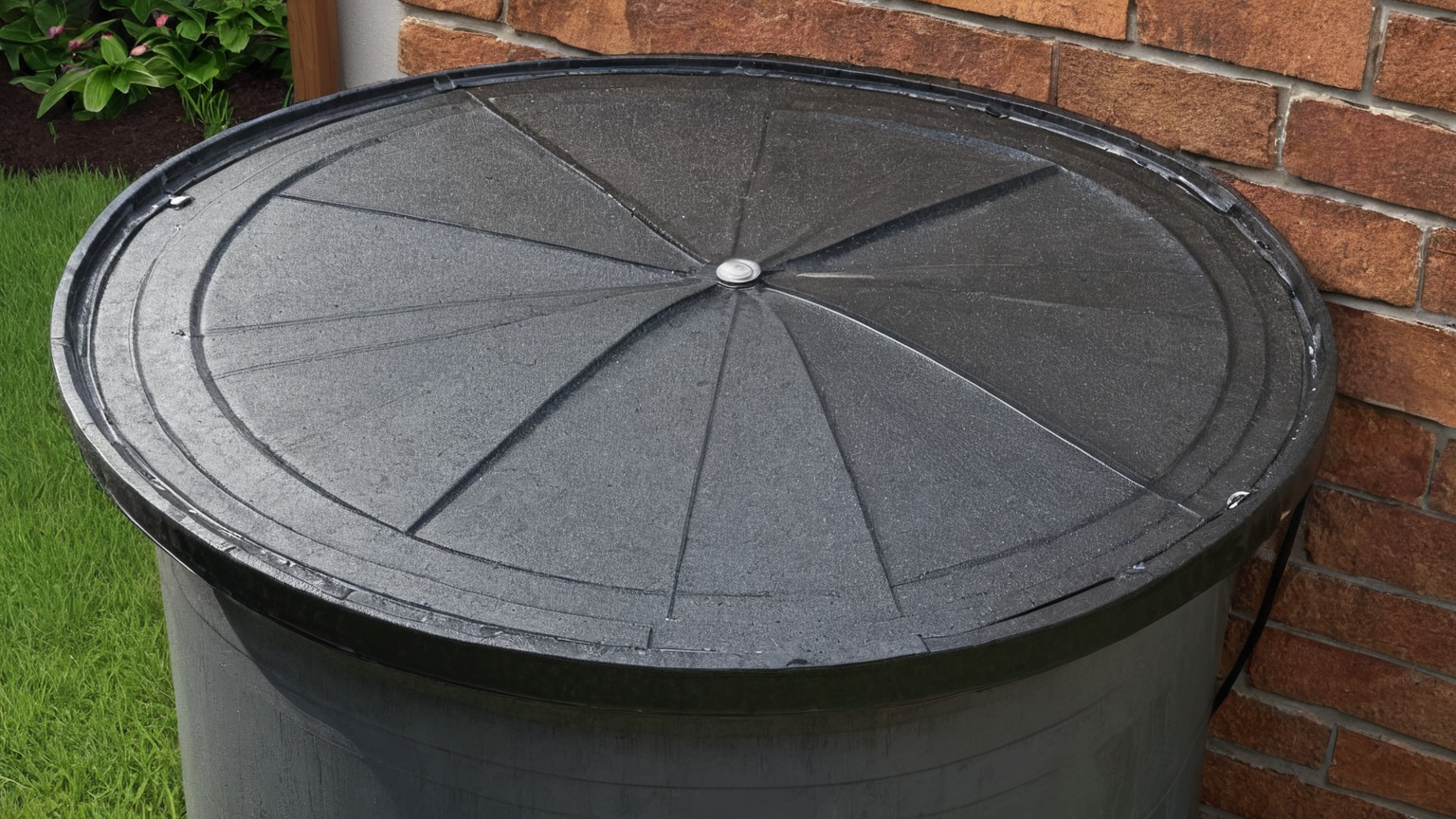
Check local rules, choose a covered barrel with screen and overflow, place it on stable support, connect it to a downspout safely, and plan where water goes when the barrel is full. Put the supplies, app links, contacts, and labels in the place where the decision happens. If the plan depends on memory, it will fail when heat, fatigue, hunger, traffic, or family logistics pile up. If the plan is visible and simple, it can protect you even on a messy day.
Use a two-minute rehearsal: open the official source, walk through the choice, and ask what would make you ignore it. Then remove that friction. Examples include keeping a blank thermometer probe clean and ready, saving an official alert page, placing sun protection by shoes, or keeping evacuation fuel above a preset level.
3. Use a checklist, not vibes
- Confirm local rules and rebate requirements before installation.
- Keep screens intact and lids closed to reduce mosquitoes and debris.
- Label the water non-potable and keep it away from drinking uses.
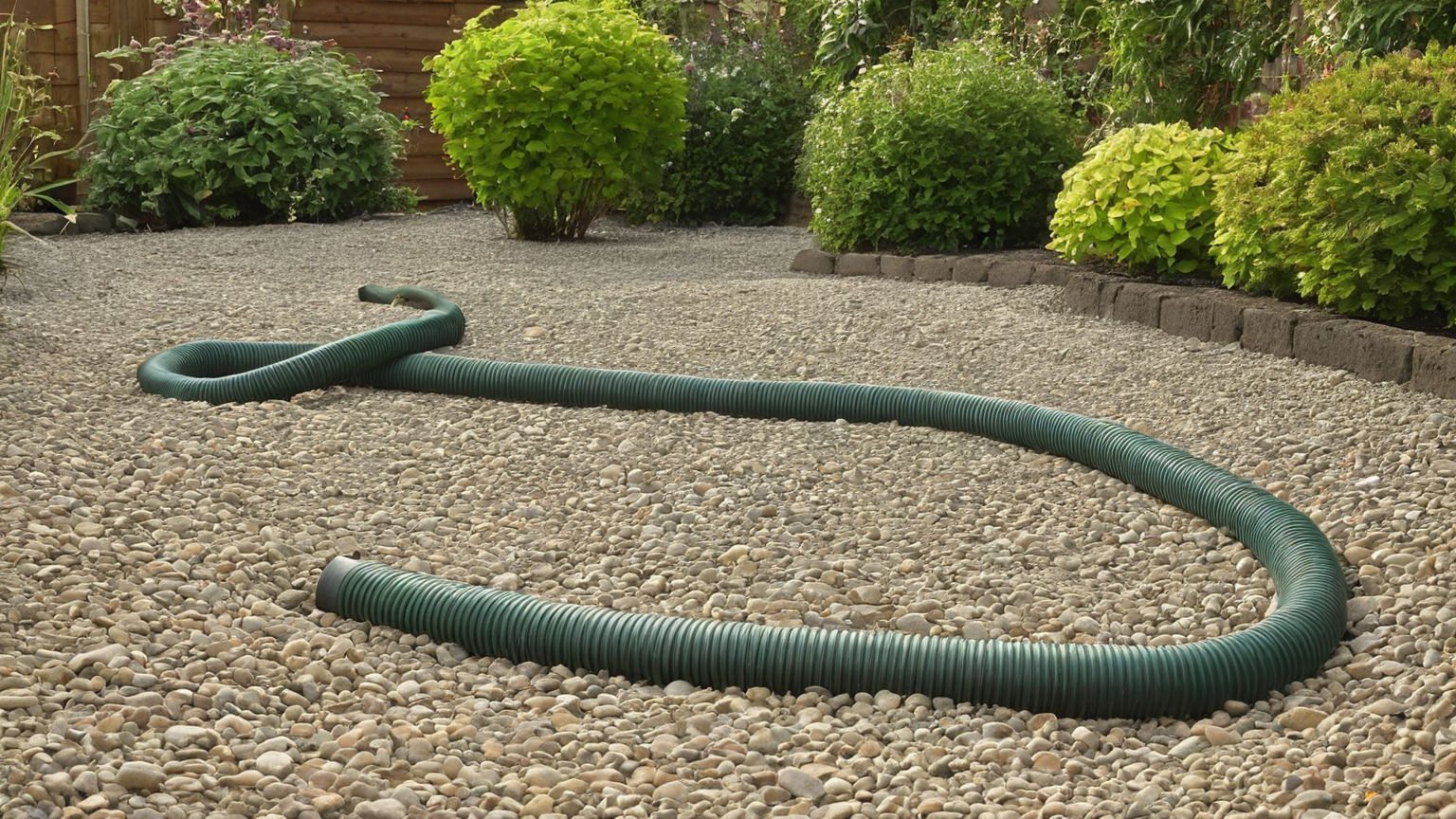
- Direct overflow away from foundations and neighbors.
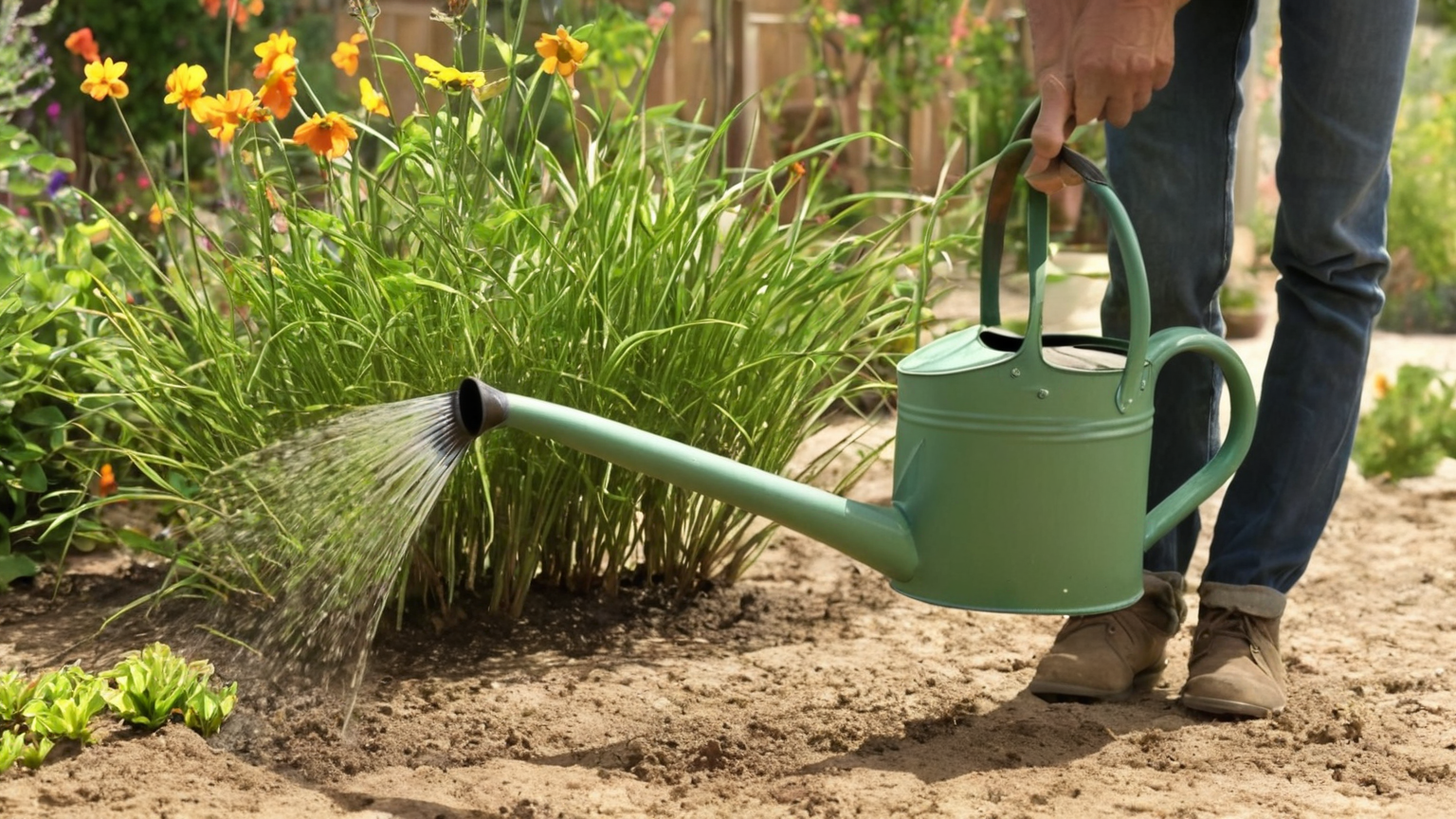
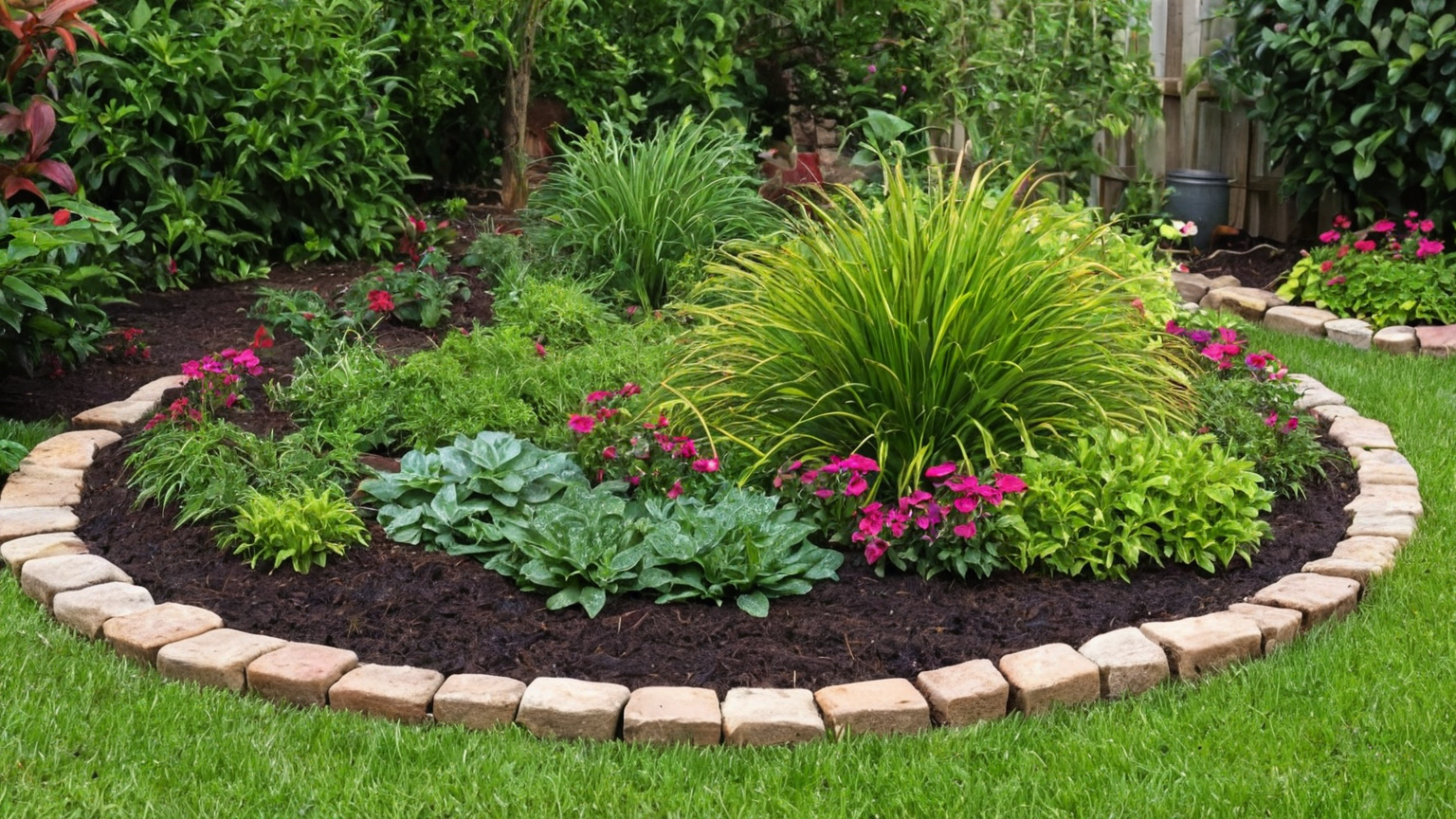
- Prioritize trees, perennials, and food crops according to safe local guidance.
A checklist should be short enough to use and specific enough to catch errors. Put the highest-risk items first, then add a fallback. If one item fails, do not average it with the others. A single failed safety item is a reason to pause, change the plan, or get qualified help.
Common failure modes
| Failure mode | Why it happens | Repair |
|---|---|---|
| The source is old or local conditions changed | People rely on memory | Re-check the official page the same day |
| The setup is inconvenient | The safer action takes longer | Move the tool or supply to the decision point |
| A number is guessed | Labels, alerts, or temperatures are not verified | Use the current source or an actual measurement |
| The plan ignores vulnerable people | Generic advice misses medical, age, disability, pet, or housing constraints | Choose the stricter limit and ask for qualified help |
4. Decide what to document
Track installation date, cleaning schedule, mosquito checks, overflow behavior, and which garden areas get water during restrictions. Documentation does not need to be complicated. Record the date, condition checked, choice made, and anything you would change next time. That note helps you improve the system without pretending you will remember every detail a week later.
For readers, this is also a trust signal: the article separates fixed principles from current facts, cites the source list, and tells you what to verify rather than hiding uncertainty. That preserves future AdSense readiness by keeping the content helpful, policy-safe, and user-first.
Final checklist
- Check local legality and stormwater rules.
- Use a covered screened barrel.
- Keep water non-potable and purpose-limited.
- Inspect after storms.
- Water plants by priority during drought.
FAQ summary
Rain-barrel readiness combines water conservation with safety: legal checks, covered storage, mosquito prevention, non-potable use, overflow control, and drought-aware plant priorities. The safest version is usually not the most dramatic version; it is the one you can repeat consistently while checking current official guidance and respecting personal limits.