Summer Cooling Energy Savings: Room-by-Room Plan
A 2026 home cooling checklist for thermostat settings, shade, fans, air sealing, humidity, and safety-first savings.
Summer cooling advice can become either too vague or too aggressive. This 2026-06-02 guide uses DOE Energy Saver, ENERGY STAR, EPA indoor-air-quality, CDC, and National Weather Service resources to build a room-by-room plan that saves energy without ignoring heat safety, humidity, comfort, or vulnerable household members.
Cooling decision table
| Area | First action | What not to do |
|---|---|---|
| Sunny rooms | Close shades before peak sun | Waiting until the room is already hot |
| Thermostat | Use a realistic schedule | Setting extreme numbers for faster cooling |
| Fans | Use for occupied rooms and comfort | Leaving fans on in empty rooms as if they cool air |
| Leaks | Seal obvious gaps and improve insulation over time | Buying gadgets before fixing easy losses |
| Heat alerts | Protect people first | Saving energy by tolerating unsafe indoor heat |
Start with heat gain before thermostat drama
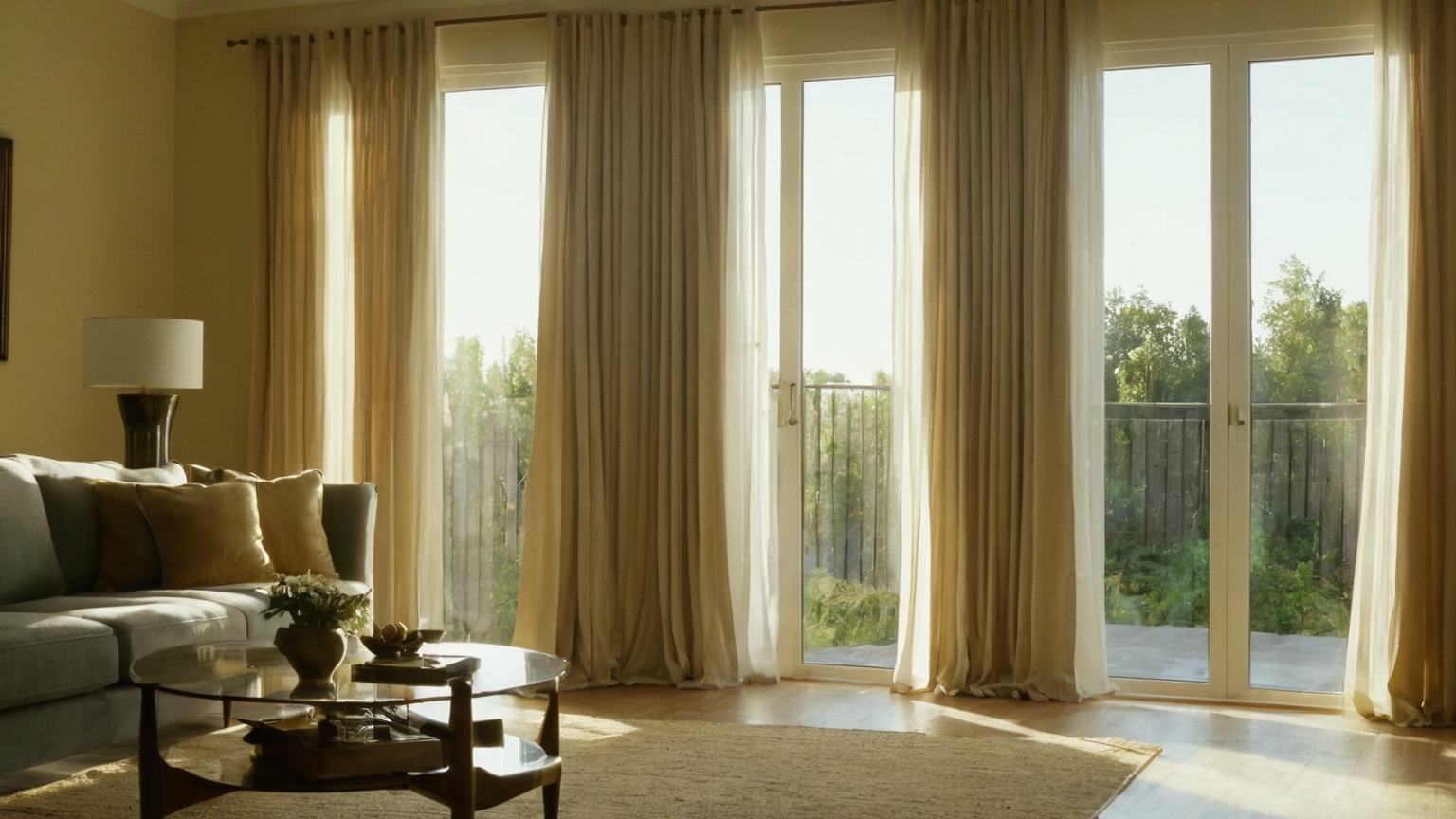
The cheapest cooling is often the heat that never enters. Close curtains or shades before direct afternoon sun, reduce oven use during heat peaks, and move high-heat tasks to cooler hours. If one room overheats, track sun exposure, air leaks, blocked vents, and door patterns before assuming the whole system is broken.
The most useful version of this routine is intentionally conservative. For summer home cooling and energy savings, make the decision before you are tired, hot, hungry, rushed, or trying to justify a purchase. Write down the trigger that changes the plan, keep the relevant official source open, and choose the option that leaves the biggest margin for error. A good checklist should work on a messy weekday, not only during a perfect demonstration.
Use fans as comfort tools
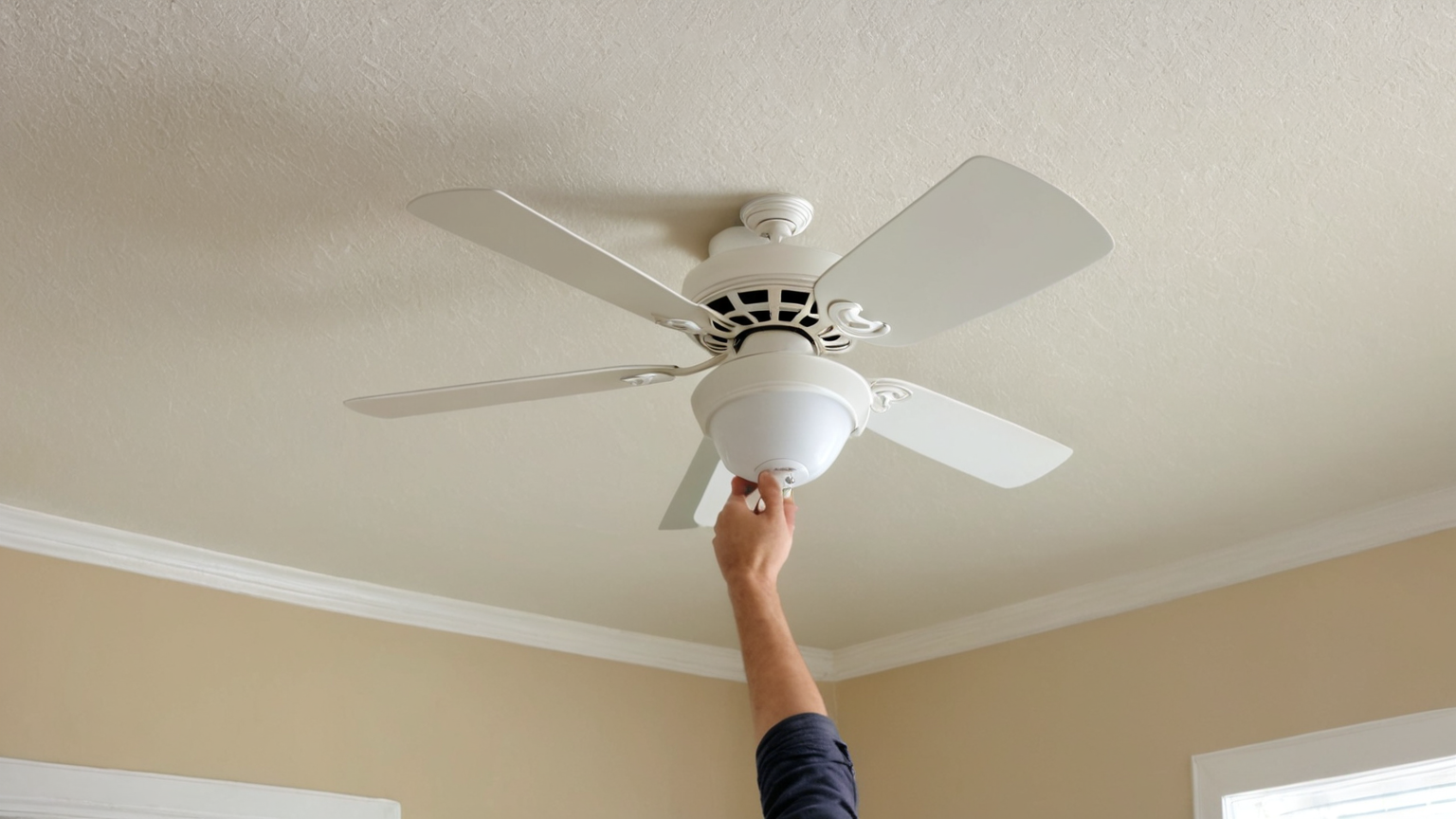
Fans help people feel cooler by moving air, but they do not lower room temperature. Use them in occupied rooms, turn them off when leaving, and do not rely on a fan alone when indoor heat becomes unsafe. During heat alerts, vulnerable people may need a cooler space, community cooling center, or medical guidance.
Set schedules people will actually follow
A smart or programmable thermostat only helps when the schedule matches the household. Avoid extreme settings that make equipment run hard without improving comfort quickly. Compare small adjustments, sleep needs, pets, work-from-home schedules, and humidity. If the system short-cycles, leaks water, or cannot maintain safe conditions, call qualified service.
Seal, shade, and maintain before replacing
Check obvious gaps around doors, attic hatches, and poorly sealed penetrations. Replace dirty filters according to the equipment instructions. Keep outdoor units clear if applicable and do not block indoor airflow. Larger insulation, duct, or equipment work should be planned with qualified contractors, not improvised during a heat wave.
Keep indoor air quality in the plan
Energy savings should not mean trapping pollutants or moisture. Use kitchen and bath ventilation when needed, manage humidity, and follow local guidance during smoke or outdoor pollution events. If windows are opened at night for cooling, consider pollen, smoke, security, and humidity before making it automatic.
Room-by-room checklist
- Close shades before direct sun reaches the room.
- Use fans only where people are present.
- Set a thermostat schedule that protects sleep and vulnerable people.
- Check filters, blocked vents, and obvious air leaks.
- Avoid oven and dryer heat during the hottest hours when possible.
- Track humidity and indoor air quality, not only temperature.
- Plan contractor work before emergency heat arrives.
Example decision
If the west bedroom becomes hot every afternoon, close shades before lunch, use a fan while occupied, check door and window leaks, and adjust the thermostat schedule slightly before bedtime. If the room still stays unsafe during heat alerts, prioritize a cooler sleeping location over energy savings.

FAQ summary
The best summer cooling plan layers shade, scheduling, fans, sealing, maintenance, and heat-safety rules. It saves energy by reducing waste, not by asking people to tolerate unsafe indoor heat.
Renters, owners, and no-regret cooling upgrades
The best summer cooling plan starts with reversible actions. Renters can close blinds before direct sun hits glass, use removable weatherstripping, add draft snakes at leaky doors, run fans only in occupied rooms, and keep heat-producing chores away from late afternoon peaks. These steps are cheap, do not require permanent changes, and make the home easier to cool even when the air conditioner is older.
Homeowners can add a second layer of diagnostics. Walk the home in the afternoon and note which rooms overheat first, which supply vents feel weak, and where sunlight lands on walls or windows. If one room is always hot, do not assume a bigger air conditioner is the first answer. Air leaks, duct problems, blocked returns, attic insulation gaps, or unshaded west-facing glass may be the real cause. Fixing those problems can improve comfort while reducing equipment strain.
Smart thermostats and advanced schedules are useful only when the house is prepared for them. A thermostat cannot compensate for open blinds on a west window, a clogged filter, or a room with no air path back to the return. Use automation for repeatable behavior: pre-cool modestly before a known peak period, let temperatures float slightly when away, and avoid large swings that make occupants override the schedule.
For health-sensitive households, energy savings must not become unsafe indoor heat. Older adults, infants, people with certain medical conditions, and anyone without reliable cooling may need a lower temperature, a cooling center plan, or a room-by-room “cool refuge” strategy. The most sustainable plan is the one that keeps people safe first and then reduces waste where it can.