Window AC Filter Cleaning Summer Energy Plan
A practical home-energy guide to cleaning window AC filters, improving airflow, reducing wasted cooling, and avoiding unsafe electrical or moisture shortcuts.
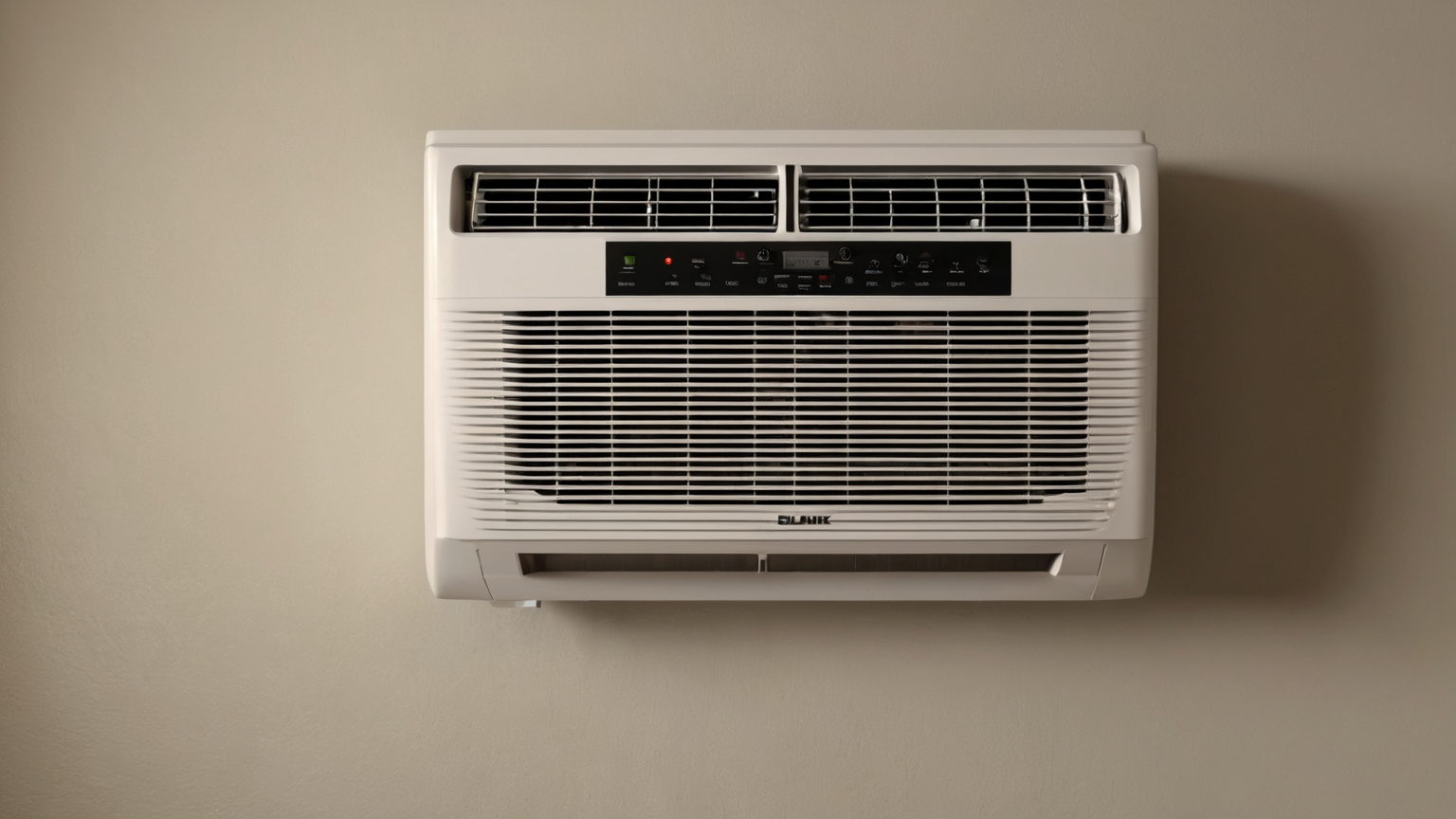
A dirty window AC filter can quietly turn a small comfort problem into wasted energy, weak airflow, extra noise, and moisture trouble. Cleaning it is usually simple, but the safe routine matters: power first, manufacturer guidance, gentle cleaning, complete drying, clear airflow, and no improvised electrical shortcuts. This guide was checked on 2026-06-21 against DOE Energy Saver, ENERGY STAR, EPA indoor-air resources, CDC mold guidance, and electrical-safety resources. It is not appliance-repair or landlord-tenant advice; use the product manual and qualified service when wiring, mounting, drainage, or mold conditions are uncertain.
Quick decision table
| Situation | Safer choice | Mistake to avoid |
|---|---|---|
| Filter looks dusty | Power down, remove, clean gently, dry fully | Running the unit harder to overcome weak airflow |
| Unit smells musty | Investigate moisture and cleanup boundaries | Masking odor with fragrance or ignoring water |
| Curtains block airflow | Clear the grille and improve shade separately | Covering the unit while it operates |
| Cord or outlet looks unsafe | Stop and get qualified help | Using extension-cord shortcuts or exposed wiring |
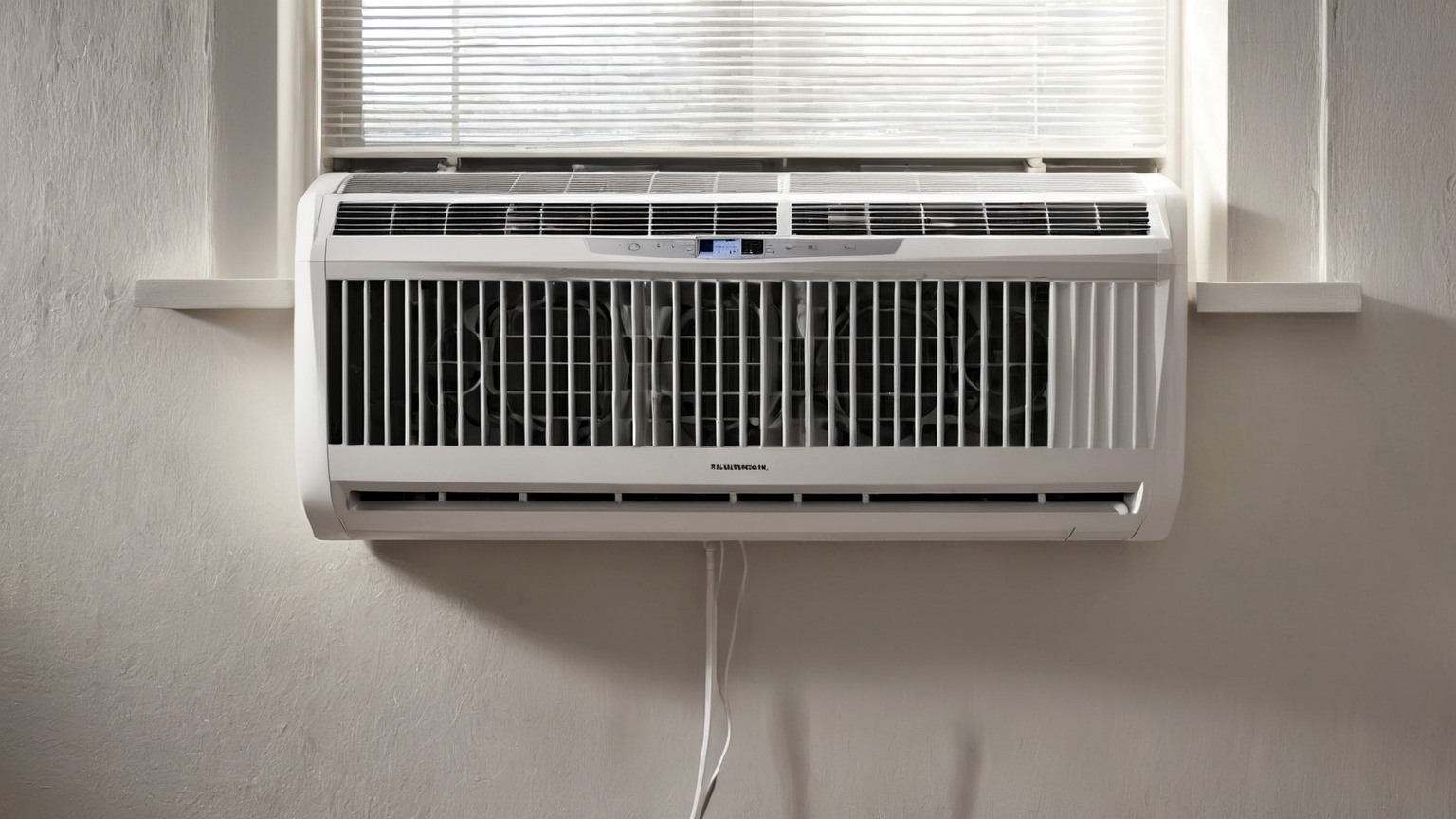
1. Start with power, manual, and filter type
Before touching the front panel, turn the unit off and follow the manual. Some filters are washable; others are replaceable. The article avoids fake labels in images because model-specific instructions belong in the manufacturer document, not in generated artwork. If the unit is hardwired, damaged, sparking, loose in the window, or dripping into a wall, stop and get qualified help rather than treating filter cleaning as a repair.
Use this section as a decision point, not a rigid script. Conditions change by home, road, kitchen, body, weather, equipment, and local rules. The safest version of the plan is the one that lowers risk before the problem becomes urgent, keeps the reader from relying on guesswork, and gives a clear stop condition when the evidence is incomplete.
For AdSense-readiness and reader trust, the practical details are kept in accessible body text: the images support the topic but do not carry thermometer numbers, legal instructions, medical thresholds, labels, or fake interface text. This keeps the article useful for screen readers and prevents generated visuals from becoming misinformation.
2. Clean gently and dry completely
A washable filter usually needs gentle dust removal, rinsing, and complete drying before reinstallation. Harsh scrubbing, strong chemicals, or reinstalling a wet filter can create new problems. Use a towel and airflow, not heat damage or shortcuts. If the filter crumbles, smells musty after cleaning, or no longer fits, replacement may be the safer energy choice.
Use this section as a decision point, not a rigid script. Conditions change by home, road, kitchen, body, weather, equipment, and local rules. The safest version of the plan is the one that lowers risk before the problem becomes urgent, keeps the reader from relying on guesswork, and gives a clear stop condition when the evidence is incomplete.
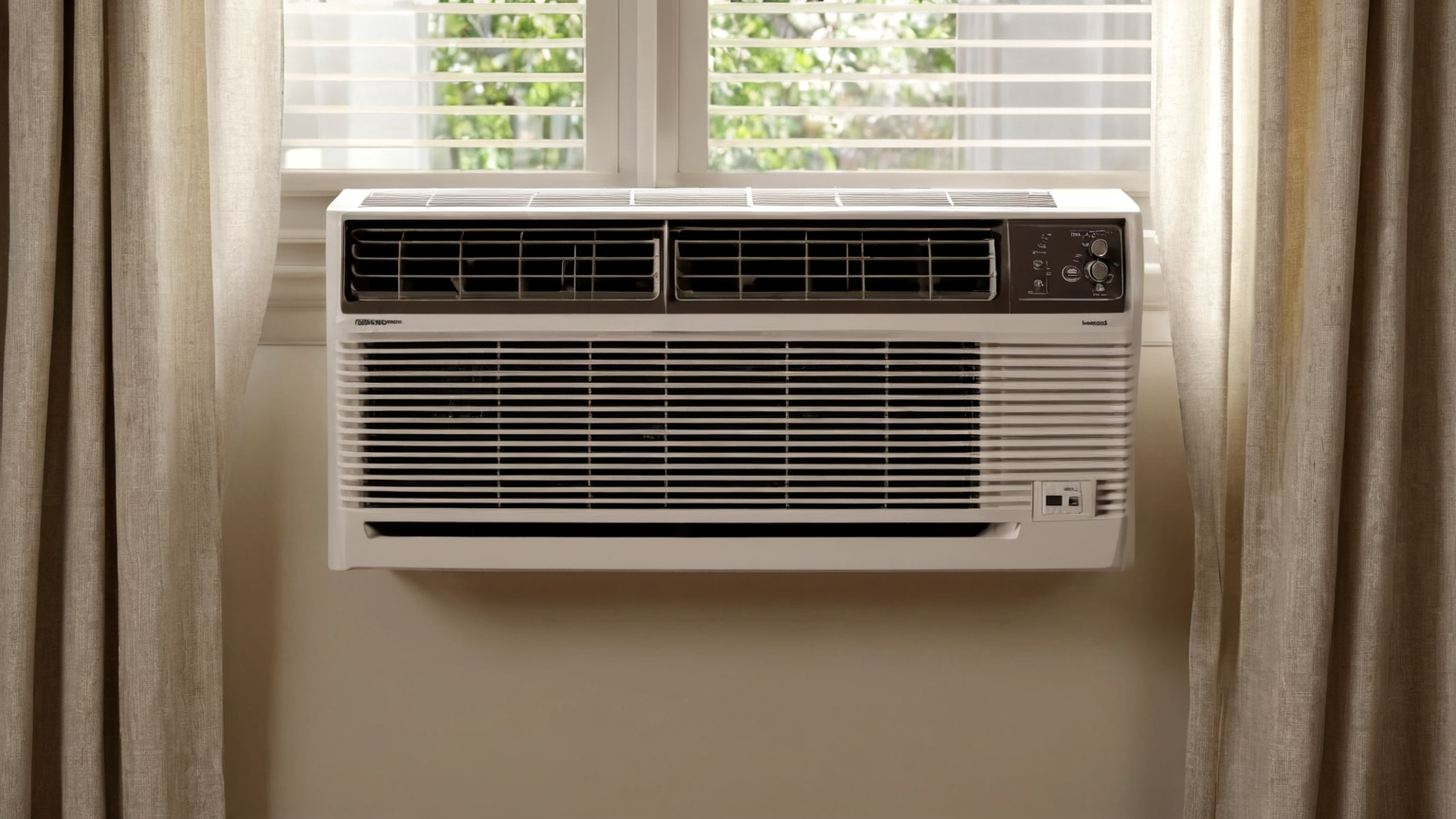
For AdSense-readiness and reader trust, the practical details are kept in accessible body text: the images support the topic but do not carry thermometer numbers, legal instructions, medical thresholds, labels, or fake interface text. This keeps the article useful for screen readers and prevents generated visuals from becoming misinformation.
3. Restore airflow around the whole unit
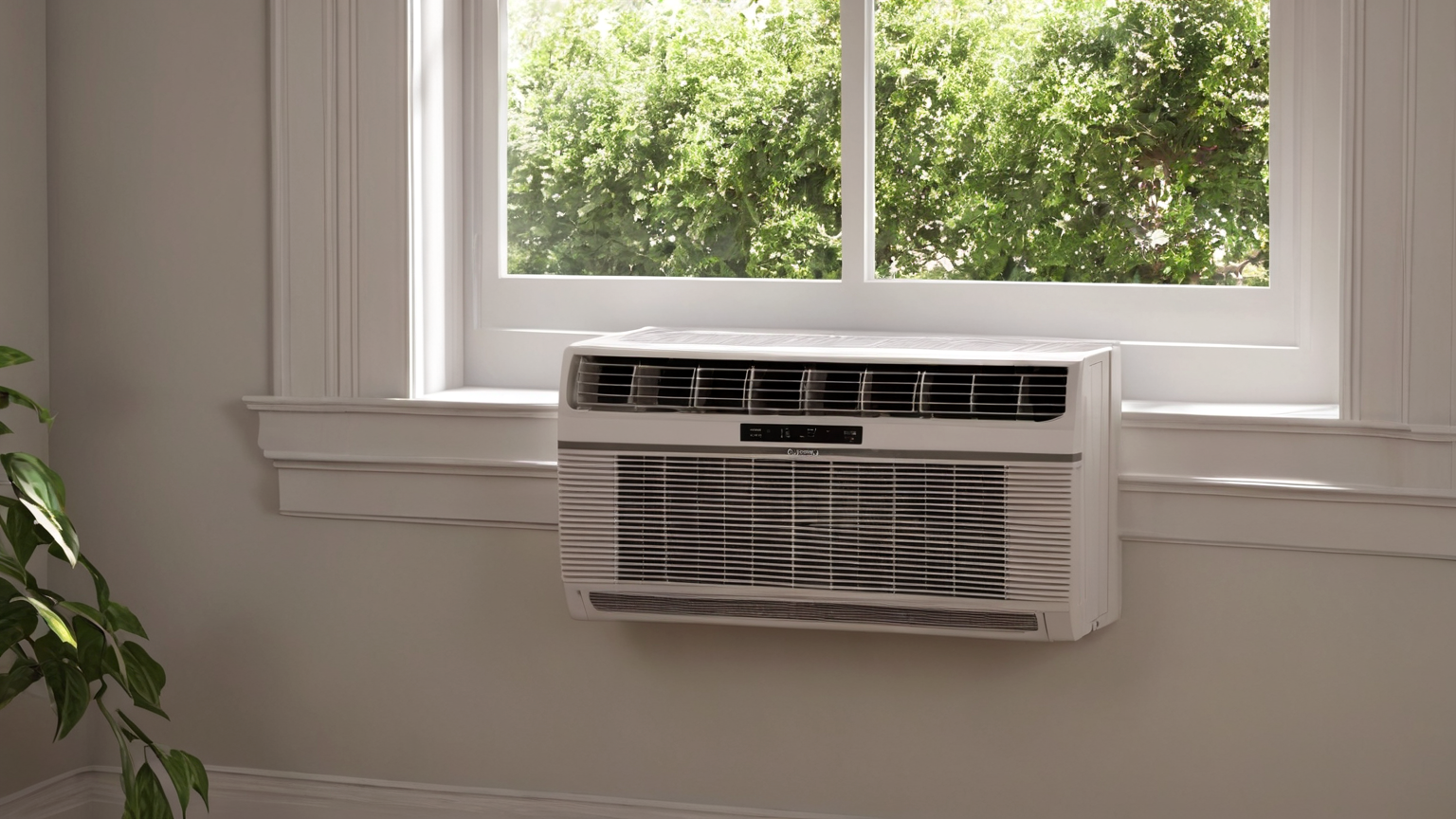
Filter cleaning works best when the room setup also helps. Keep curtains, furniture, storage bins, and plants away from supply and return airflow. Seal obvious hot-air gaps according to the product and window setup, but do not block drainage or ventilation paths. A clean filter cannot compensate for a unit fighting sunlight, open doors, or a blocked grille all afternoon.
Use this section as a decision point, not a rigid script. Conditions change by home, road, kitchen, body, weather, equipment, and local rules. The safest version of the plan is the one that lowers risk before the problem becomes urgent, keeps the reader from relying on guesswork, and gives a clear stop condition when the evidence is incomplete.

For AdSense-readiness and reader trust, the practical details are kept in accessible body text: the images support the topic but do not carry thermometer numbers, legal instructions, medical thresholds, labels, or fake interface text. This keeps the article useful for screen readers and prevents generated visuals from becoming misinformation.
4. Watch moisture and mold signals
Window units interact with humidity, condensation, and outdoor air. Musty odor, visible growth, water stains, or repeated dripping deserves more than a quick wipe. EPA and CDC resources emphasize moisture control and safe cleanup boundaries. If the issue is extensive, recurring, or affects health symptoms, use qualified guidance rather than spraying fragrance over the problem.
Use this section as a decision point, not a rigid script. Conditions change by home, road, kitchen, body, weather, equipment, and local rules. The safest version of the plan is the one that lowers risk before the problem becomes urgent, keeps the reader from relying on guesswork, and gives a clear stop condition when the evidence is incomplete.
For AdSense-readiness and reader trust, the practical details are kept in accessible body text: the images support the topic but do not carry thermometer numbers, legal instructions, medical thresholds, labels, or fake interface text. This keeps the article useful for screen readers and prevents generated visuals from becoming misinformation.
5. Measure savings as a maintenance habit
The realistic benefit is not a magic percentage for every home. Track whether airflow improves, run time feels shorter, noise drops, and the room reaches a comfortable set point without pushing the unit constantly. Pair filter cleaning with shade, fans used safely, thermostat expectations, and weather-aware schedules. Good AdSense-ready content gives readers a repeatable seasonal routine instead of exaggerated energy claims.
Use this section as a decision point, not a rigid script. Conditions change by home, road, kitchen, body, weather, equipment, and local rules. The safest version of the plan is the one that lowers risk before the problem becomes urgent, keeps the reader from relying on guesswork, and gives a clear stop condition when the evidence is incomplete.
For AdSense-readiness and reader trust, the practical details are kept in accessible body text: the images support the topic but do not carry thermometer numbers, legal instructions, medical thresholds, labels, or fake interface text. This keeps the article useful for screen readers and prevents generated visuals from becoming misinformation.
Implementation checklist
- Check the official source or alert before relying on memory.
- Prepare the space, tools, route, or storage container before the risky step begins.
- Choose the lower-risk option when heat, time, moisture, fatigue, traffic, or cleanliness is uncertain.
- Keep warnings and thresholds in accessible text rather than embedded image text.
- Re-check after the activity: recovery, leftovers, route safety, moisture, or equipment condition.
- Do not add affiliate products unless a product is genuinely necessary for reader safety or implementation.
- Save the one lesson that will make the next attempt easier.
Example mini-scenarios
Scenario one: the reader has the right general plan but the conditions are worse than expected. The answer is not to force the original plan; it is to keep the useful goal and reduce the risky variable. That may mean a lighter training session, a smaller cookout batch, a shelter stop before a storm, or filter maintenance before the hottest part of the day.
Scenario two: the reader has incomplete information. Maybe the leftover time is unknown, the weather alert moved, the room humidity is higher than expected, or the athlete slept poorly. Incomplete information should widen the safety margin. The article’s tables are designed to make that choice feel normal rather than like a personal failure.
Scenario three: convenience competes with safety. A shortcut may save ten minutes, but it can create a much larger problem: foodborne illness, heat stress, a dangerous roadside decision, electrical risk, or a stalled training block. The better routine makes the safe action easier to repeat.
Source notes and limitations
The linked sources are used to set conservative decision boundaries, not to create medical, legal, electrical, restaurant, emergency-management, or mechanical instructions. Product manuals, local alerts, recalls, clinicians, emergency responders, building staff, and qualified professionals can override this general planning guide.
FAQ
Why does the article avoid exact numbers inside images?
Generated images can distort text, numbers, labels, and interfaces. Safety-critical details belong in source-backed body text, tables, and official links where readers and screen readers can inspect them clearly.
What if my situation is more complicated than the table?
Use the table as a conservative starting point, then choose the lower-risk option. A professional, official alert, product manual, local rule, or emergency instruction should override this general guide.
Is this written for volume publishing or for readers?
The workflow is explicitly reader-first: duplicate-topic preflight, current-source checks, five GTI13 raster images, visual QA, source schema checks, local build, deploy verification, and production smoke all protect helpful-content and AdSense readiness.