Window Screen Airflow, Pollen, and Summer Cooling Plan
A practical 2026 guide to using window screens, cross-ventilation, pollen/smoke checks, shade, and fans without hurting indoor air quality.

Opening windows can lower cooling load, but screens do not magically solve pollen, smoke, humidity, insects, security, or heat risk. A useful summer plan treats the window as one part of a room system: outdoor air quality, temperature, humidity, shade, fan placement, and the people in the home. This guide was checked on 2026-06-16 against EPA, CDC, AirNow, DOE, and National Weather Service resources. It is not HVAC, medical, or landlord advice; local alerts, lease rules, security concerns, and clinician guidance can override a general ventilation plan.
Window airflow and pollen decision table
| Situation | Safer choice | Mistake to avoid |
|---|---|---|
| Outdoor AQI or smoke is poor | Keep windows closed and use safer filtration/cooling plan | Opening screens because it feels natural |
| Cooler shaded evening | Ventilate with a clear path and safe fan setup | Leaving cords or screens unsafe |
| High pollen sensitivity | Time openings carefully or stay closed | Ignoring symptoms for energy savings |
| Damp smell or condensation | Control moisture and investigate source | Assuming more open windows fixes mold |

1. Check outdoor air before opening the room
Look at smoke, ozone, pollen sensitivity, outdoor temperature, and local heat alerts. If outdoor air is poor or heat risk is high, a closed-window filtration or cooling plan may be safer than a breezy room. The best energy choice is the one that keeps people safe first.
Window-airflow checkpoint: set the AQI, pollen, heat, humidity, fan-cord, and security boundary before opening windows. If the boundary is crossed, stay closed, filter, shade, or cool another way instead of following a generic fresh-air habit.
2. Use cross-ventilation only when it has a path
Air needs an inlet and outlet. Open windows on shaded or cooler sides when possible, avoid blowing dust from dirty screens, and place fans so cords are safe and airflow is useful. Do not point a fan in a way that pulls smoke, humidity, or cooking pollutants through the living area.
Window-airflow checkpoint: set the AQI, pollen, heat, humidity, fan-cord, and security boundary before opening windows. If the boundary is crossed, stay closed, filter, shade, or cool another way instead of following a generic fresh-air habit.

3. Clean and repair screens for function, not decoration
A torn or dusty screen changes airflow and pest control. Clean gently, repair gaps, and keep window tracks dry. If condensation or damp smells appear, reduce moisture sources and follow mold guidance rather than simply opening more windows.
Window-airflow checkpoint: set the AQI, pollen, heat, humidity, fan-cord, and security boundary before opening windows. If the boundary is crossed, stay closed, filter, shade, or cool another way instead of following a generic fresh-air habit.

4. Balance pollen control with cooling
People with allergies may need windows closed during peak pollen or after outdoor dust events. Use entry habits, washable fabrics, and filtration where appropriate. A window routine should match the household, not a generic sustainability slogan.
Window-airflow checkpoint: set the AQI, pollen, heat, humidity, fan-cord, and security boundary before opening windows. If the boundary is crossed, stay closed, filter, shade, or cool another way instead of following a generic fresh-air habit.

5. Preserve AdSense readiness through practical limits
The article avoids miracle energy-saving claims and product pushing. It gives a conservative decision table, source links, and plain-language limitations so readers can apply the idea without unsafe shortcuts.
Window-airflow checkpoint: set the AQI, pollen, heat, humidity, fan-cord, and security boundary before opening windows. If the boundary is crossed, stay closed, filter, shade, or cool another way instead of following a generic fresh-air habit.
Step-by-step implementation checklist
- Open the current official source or local alert before relying on memory.
- Prepare the physical space before the risky step starts.
- Keep warnings, measurements, and decision logic in selectable body text rather than image text.
- Use closed-window filtration, shade, safer fan placement, shorter ventilation windows, or another cooling method when outdoor air, heat, pollen, or humidity is uncertain.
- Keep allergy symptoms, AQI alerts, heat risk, lease/security constraints, fan manuals, and moisture signs ahead of generic ventilation advice.
- Document what changed so the next attempt improves instead of repeating the same mistake.
- Avoid affiliate pressure when safety, health, trust, or practical judgment is the main reader need.
Source notes and limitations
The linked sources set conservative boundaries for a general consumer guide. They do not create medical, legal, emergency, electrical, food-service, mechanical, or landlord instructions. Current local alerts, product labels, recalls, emergency responders, clinicians, and qualified professionals can override this article.
FAQ
Is this current for June 2026?
The post was prepared during the 2026-06-16 publishing workflow and checked against the listed source URLs. Readers should still open current official pages when conditions are changing.
Why are the visuals plain?
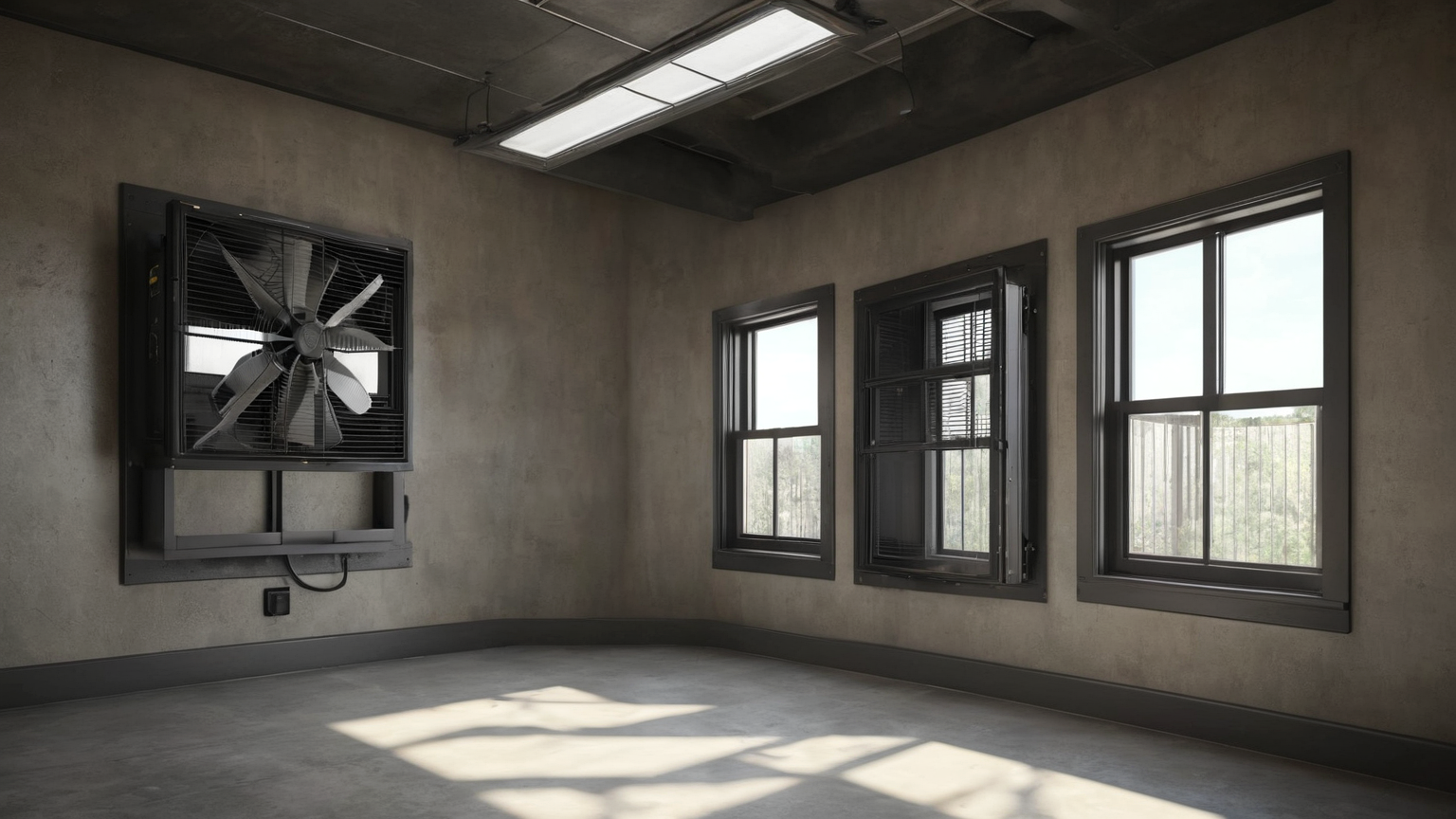
The images are GTI13 raster illustrations. They intentionally avoid readable labels, fake dashboards, medical text, food-safety hazards, QR codes, and appliance-control claims so the factual guidance remains in the article body.
Does this page push products?
No. It supports AdSense readiness through helpful guidance, source transparency, internal navigation, plain limitations, and non-commercial decision support.