Window Shade Solar Heat Gain Summer Schedule
A practical home-energy routine for using blinds, curtains, cellular shades, and exterior shade to reduce summer solar heat gain without making rooms dark all day.
Window Shade Solar Heat Gain Summer Schedule
Why shade timing matters
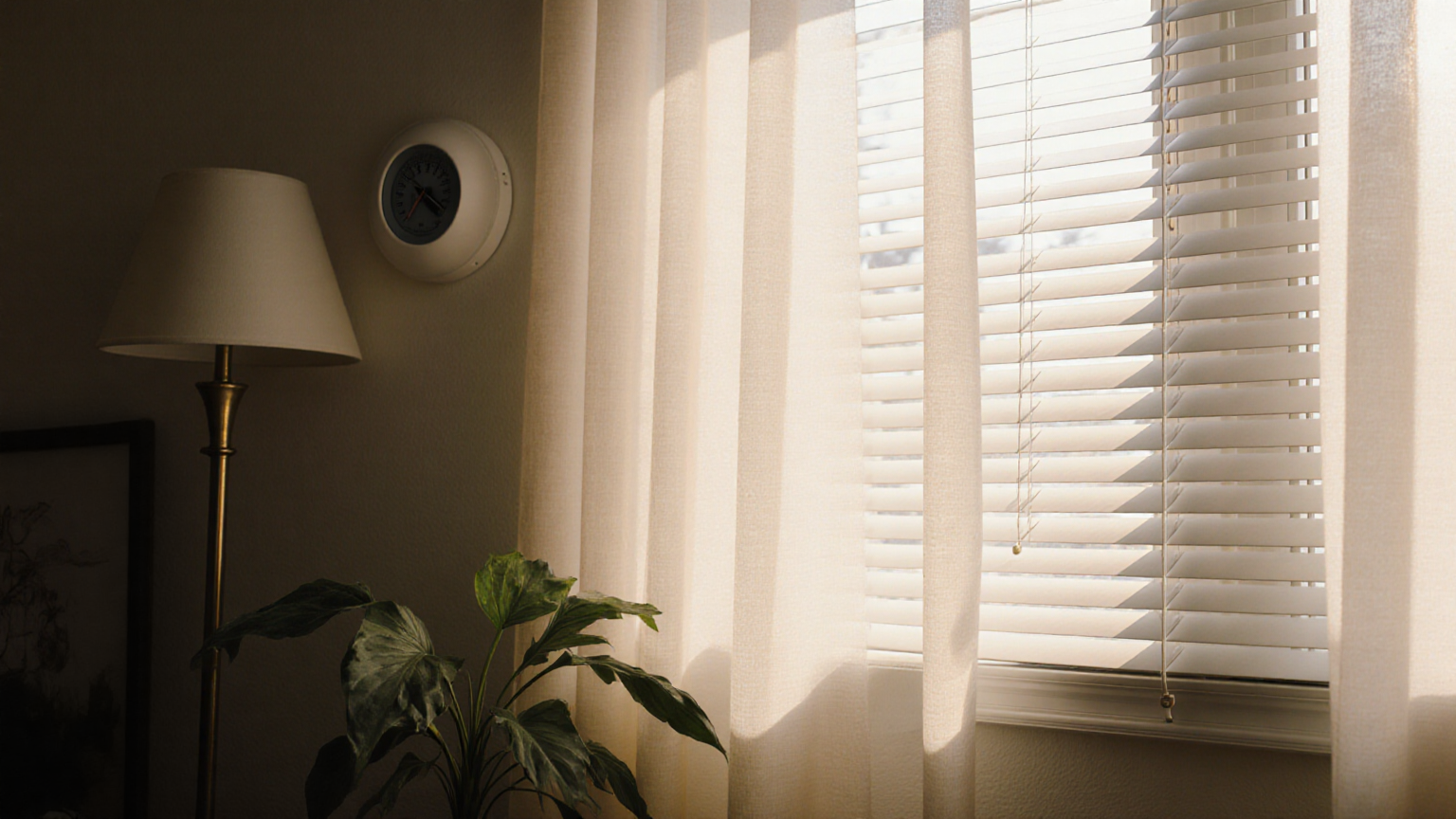
Summer cooling is not only about the thermostat. Sunlight entering windows becomes indoor heat, and the timing depends on window direction, shade type, trees, overhangs, and room use. DOE notes that window coverings can reduce unwanted solar heat gain, but the results depend on how they are used. As of 2026-06-30, the practical home-energy move is to close the right shades before the sun hits them, then reopen when heat and glare have passed.
Shade schedule table
| Time window | Priority windows | Action |
|---|---|---|
| Morning | East | Close or tilt before direct sun |
| Midday | South | Reduce glare and heat gain |
| Afternoon | West | Close early before the room overheats |
| Evening | Any shaded window | Reopen when privacy and comfort allow |
Map your heat windows
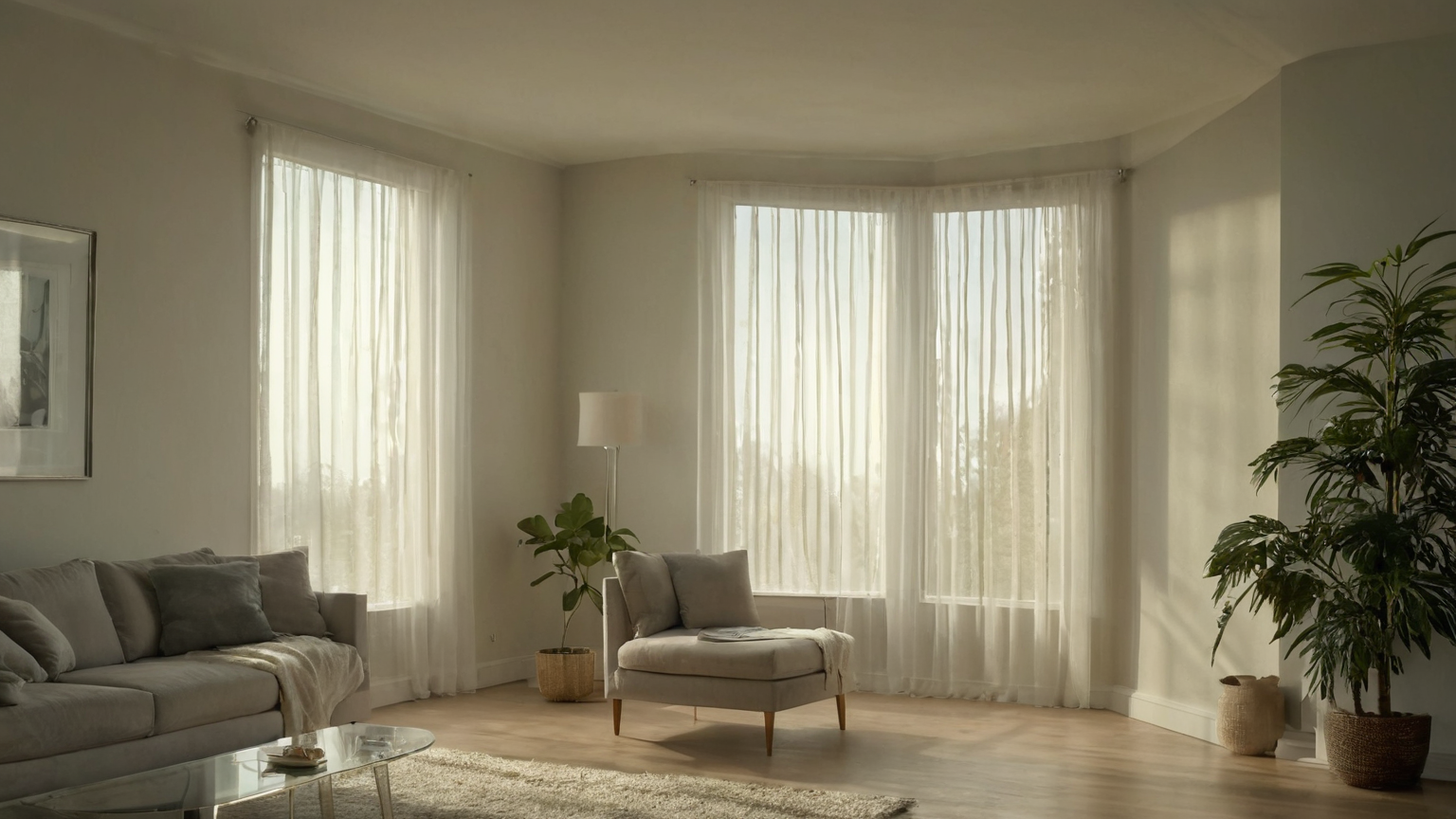
Walk the home on a sunny day and mark the rooms that heat up first. East-facing rooms often need morning attention. South and west windows usually matter later, especially in hot afternoons. A shaded north window may not need the same treatment. This room-by-room map prevents the common mistake of making the entire home dark while ignoring the one west window that is doing most of the heating.
The daily schedule
Before breakfast, close or tilt coverings on east windows that receive direct sun. Late morning, shift attention to south windows. Early afternoon, close west-facing shades before the room heats up. Evening, reopen windows that are no longer receiving direct sun if privacy and outdoor conditions allow. Pair this with ceiling fans, clean filters, safe ventilation, and reasonable thermostat settings. Shade is a load reducer, not a magic cooling system.
Choose the right covering for the problem
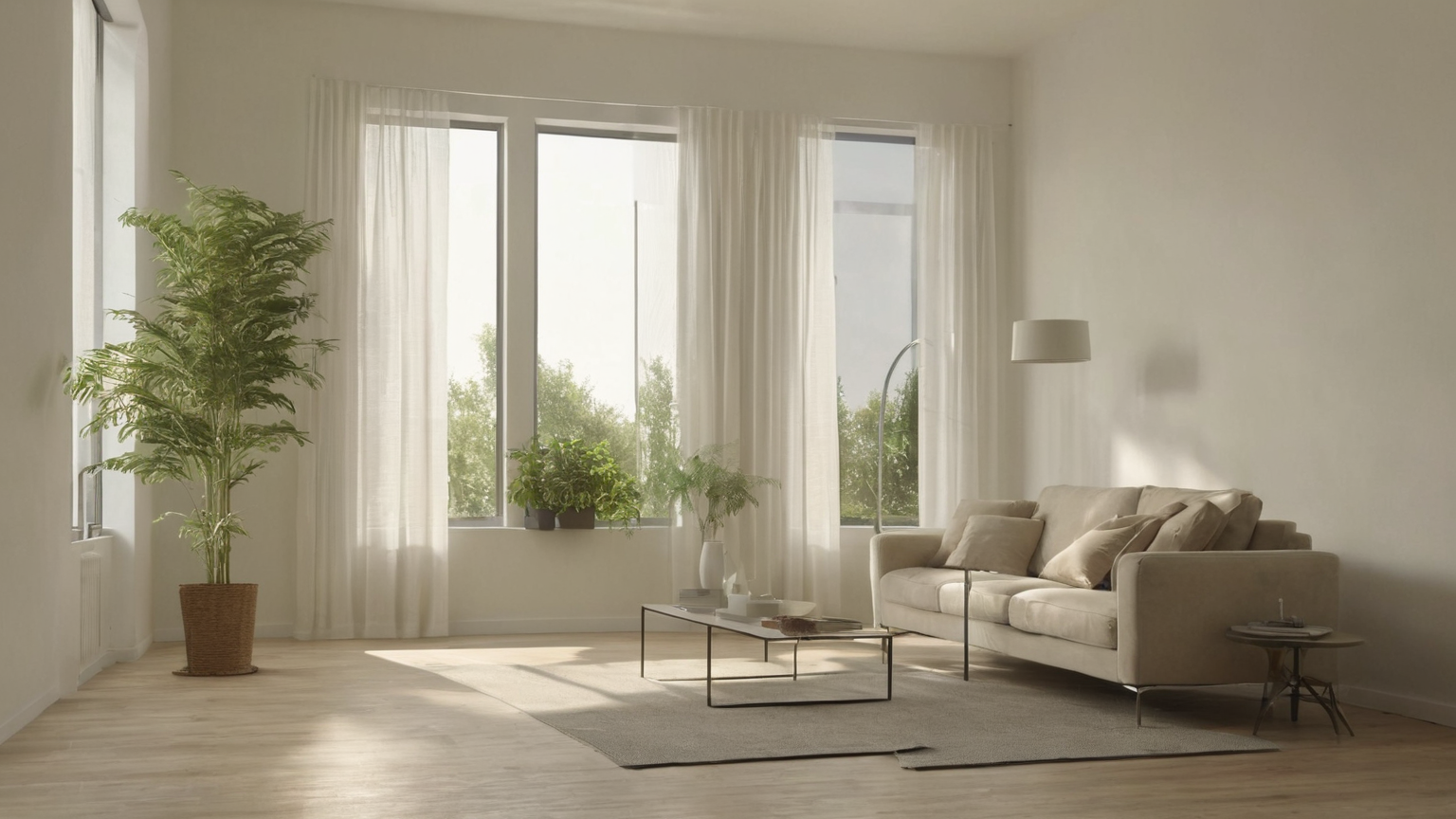
Light-colored shades, cellular shades, blinds, curtains, shutters, exterior awnings, and shade trees solve different problems. A thin decorative curtain may reduce glare but do little against heat. A cellular shade may improve comfort but still needs consistent use. Exterior shade often blocks sun before it reaches the glass, but installation cost and building rules matter. Renters can start with reversible interior options and a routine before buying anything permanent.

Comfort and indoor air caveats
Do not seal a hot, humid room without thinking about ventilation and moisture. If a household member is heat-sensitive, has medical risks, or lacks reliable cooling, shade helps but should not replace a safe cooling plan. Watch for condensation, mold, and rooms that become too dark for safe movement. Energy savings are useful only when the home remains healthy and usable.

Make the routine visible
Use a simple “morning, noon, afternoon, evening” checklist near the thermostat or kitchen. Assign one person or make it part of leaving the house. The best shade schedule is the one your household actually follows. If a room stays hot despite shade, inspect air leaks, attic heat, ducts, filters, appliance heat, and window condition before assuming the shade routine failed.
AdSense-readiness trust note
This guide avoids unrealistic savings promises. Window coverings can help with comfort and heat gain, but exact savings depend on climate, windows, behavior, equipment, and utility rates. A reader-first article should give a routine, decision points, and limits rather than a single percentage that may not apply to the home in front of them.
Quick checklist
- Confirm the main safety boundary before starting.
- Use the table to choose the next action instead of guessing.
- Keep one small log or note so the routine improves over time.
- Stop when the situation no longer matches the safe assumptions in this guide.
- Recheck authoritative guidance when rules, equipment, or household needs change.
FAQ
Do shades actually reduce heat?
Yes. DOE notes that window coverings can reduce unwanted solar heat gain, but results depend on window type, covering type, climate, and how consistently they are used.
Should every shade stay closed all day?
No. Prioritize east windows in the morning, south and west windows later, and reopen shaded windows when glare and heat are no longer entering.
Can shade replace air conditioning?
Usually no. Shade reduces heat load and improves comfort, but extreme heat, health needs, humidity, and equipment condition still matter.
Build the schedule around real rooms
Start with the room that becomes uncomfortable first, not the room with the newest shades. If a home office overheats at 10 a.m., close its east-facing covering before work starts. If a bedroom bakes at 4 p.m., the west shade needs attention before the room warms up, not after. If the kitchen gets heat from cooking and afternoon sun at the same time, shift meal prep, ventilation, and shade timing together.
Pair shades with low-cost cooling habits
Window coverings work better when the rest of the home is not fighting them. Close exterior doors quickly, keep filters clean, reduce oven use during peak heat when practical, and use fans for comfort when someone is in the room. Fans cool people, not empty rooms, so turn them off when leaving. If nighttime outdoor air is cooler and local air quality is acceptable, ventilation may help; if outdoor air is hotter, humid, smoky, or unsafe, keep the cooling boundary closed.
Renter-friendly options
Renters can often use tension rods, removable curtains, reflective liners that do not damage glass, or cellular shades installed with approved hardware. Avoid adhesives or films that violate lease terms or window warranties. A temporary white curtain behind a decorative curtain can reduce glare and heat without changing the exterior appearance. Document any allowed changes so a future move-out does not turn an energy fix into a deposit dispute.
When shade is not enough
If one room remains hot with shades closed, check for attic bypasses, missing weatherstripping, uninsulated ducts, dirty filters, blocked returns, or an oversized sunny window that needs exterior shade. If the room smells musty or condensation appears, address moisture rather than simply closing it tighter. If vulnerable household members are present, prioritize safe cooling access over savings experiments.
Measure without overclaiming
Track comfort, not just utility bills. Note the hottest room, the time heat appears, whether the shade was closed before sun hit, and whether the air conditioner ran less often. Utility bills depend on weather, rates, occupancy, and equipment, so one month is not proof. A useful shade routine is one that makes the home more comfortable and gives the cooling system less work without creating darkness, moisture, or inconvenience.
Practical example workflow
Here is how a reader can apply the guide without buying anything or trusting a vague rule of thumb. First, identify the exact situation in front of you and write down the constraint that matters most. Second, choose the smallest safe action from the table instead of trying to solve every related problem at once. Third, check the result later the same day and again the next day. If the action created a new problem, reverse it and choose the lower-risk option. If the action helped, repeat it until it becomes normal summer-cooling behavior rather than a one-time project.
The reason this workflow is included is quality control. Many short web articles give a conclusion but skip the decision process. A good evergreen guide should make the reader less dependent on the article after reading it. The table, checklist, and stop rules are designed for that: they turn the topic into a repeatable routine with boundaries.
Mistakes to avoid
The first mistake is treating a single tip as universal. Conditions change by window direction, shade type, climate, room use, humidity, ventilation, and household heat sensitivity. The second mistake is waiting until the problem is already urgent. Most of the safer choices in this guide work best when done early. The third mistake is ignoring the boring record. A short note about what you tried, when you tried it, and what happened often prevents repeated guessing.
The fourth mistake is over-optimizing gear. Better equipment can help, but equipment does not replace judgment, maintenance, safe handling, or follow-through. Before spending money, make sure the no-cost routine is clear. If the no-cost routine fails because of a safety concern, damaged equipment, medical symptoms, or home conditions outside your control, that is the point to get qualified help rather than forcing the routine.
Final reader takeaway
Use the guide as a decision aid: prepare early, act smoothly, watch the result, and keep conservative boundaries. The best outcome is not dramatic. It is a routine that quietly reduces risk, saves time, or improves comfort without creating a new hazard. If you share the routine with someone else in the household, share the stop rules too, because a checklist without limits can encourage exactly the kind of overconfidence this guide is trying to prevent.
This extra check keeps the routine specific, measurable, and safe enough to repeat tomorrow.