Zero-Waste Bathroom Products — Shampoo Bars, Safety Razors, and Real Plastic Reduction
Zero-waste bathroom swaps: shampoo bars, safety razors, menstrual cups, refillable dispensers. Real plastic reduction data and which swaps actually save money.
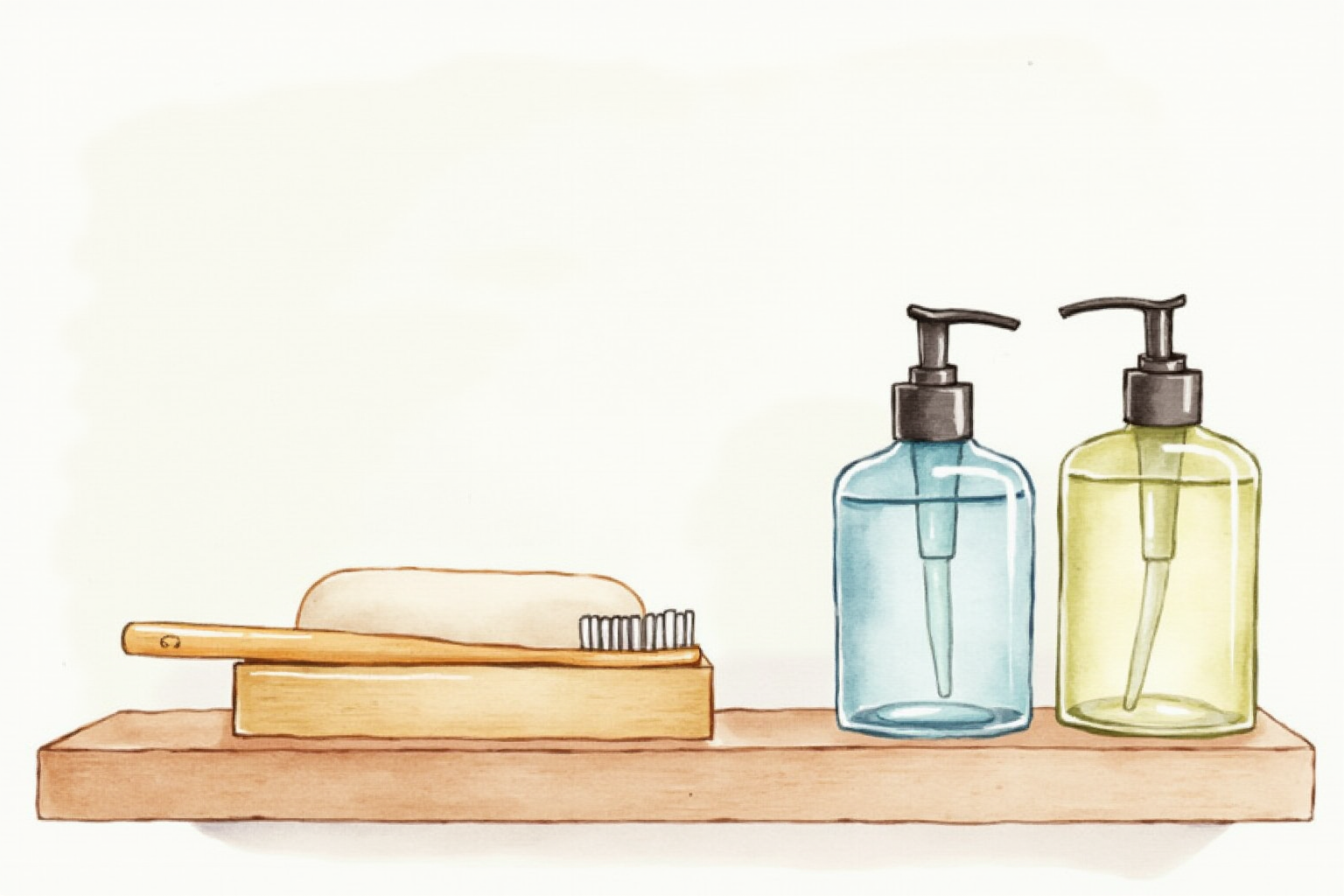
The bathroom is one of the highest-density plastic generation rooms in most households. Per EPA Plastic Pollution data, personal care and bathroom products contribute disproportionately to single-use plastic waste — small bottles, blister packs, razor cartridges, cotton swab packaging, dental floss containers all add up. Zero-waste bathroom swaps offer high impact because the alternatives are well-developed, often equal or better in performance, and frequently cost less long-term.
This article uses EPA Plastic Waste statistics, Beyond Plastics analysis, Consumer Reports product testing, Wirecutter reviews, and ACOG medical guidance to evaluate zero-waste bathroom alternatives. Topics include shampoo bars, safety razors, menstrual products, refillable dispensers, and which swaps deliver real impact vs marketing-only “eco” alternatives.
For complementary content, see sustainable clothing brands compared and eco-laundry detergent tested.
Shampoo and conditioner bars

The highest-impact bathroom swap. Liquid shampoo and conditioner bottles are 75-80% water by volume. Concentrated bar formulations eliminate this water shipping while reducing plastic dramatically.
Ethique Shampoo Bar — 110g (replaces 3 bottles)
Price · $15-20
+ Pros
- · Plastic-free packaging
- · Replaces 3 standard shampoo bottles
- · Travel-friendly (TSA-compliant)
- · Multiple formulations for hair types
− Cons
- · Adjustment period (2-4 weeks)
- · Higher price than budget liquid shampoo
- · Storage requires drainage
Price, availability, and ratings can change; verify details on the retailer page before buying.
Per Ethique manufacturer data and Consumer Reports verification, one shampoo bar (typically 110g) replaces approximately 3 standard 12oz shampoo bottles. Annual plastic savings for a household: 4-8 bottles eliminated per person.
Transition tips
The first 2-4 weeks of bar shampoo can feel odd as hair adjusts. Tips: use an apple cider vinegar rinse occasionally (1 tbsp vinegar per cup water) to clarify, find the right formulation for your hair type (oily, dry, color-treated, curly), allow the bar to fully dry between uses (soap dish with drainage), don’t try a bar with hard water without water softening — minerals can interact poorly with bar formulations.
Most users adapt successfully and prefer bars after transition. Some hair types (very fine, very oily, very curly) may struggle with bars and benefit from refillable liquid alternatives instead.
Safety razors
The longest-running zero-waste swap. Modern safety razors deliver excellent shaves while dramatically reducing waste.
Merkur 34C Safety Razor — Chrome
Price · $45-55
+ Pros
- · Lifetime razor — single purchase
- · Stainless steel blades $0.10-0.30 each
- · Cleaner shave than cartridge razors
- · Compatible with any double-edge blade brand
− Cons
- · Learning curve (1-2 weeks)
- · Blade replacement requires unscrewing head
- · Heavier than disposable razors
Price, availability, and ratings can change; verify details on the retailer page before buying.
Per Wirecutter long-term testing, Merkur 34C is the established mainstream safety razor — appropriate weight, neutral aggression, excellent build quality. Will last 30+ years with basic care.
Lifetime cost comparison
Cartridge system: handle $10 + cartridges $2-4 each, 1 per week = $100-200/year. Lifetime (50 years adult shaving) cost: $5,000-10,000.
Safety razor: handle $45 (lifetime) + blades $0.20 each, 1 per week = $10/year for blades. Lifetime cost: $545. Annual savings: $90-190.
Beyond cost, the waste reduction is dramatic. Cartridge razors generate ~5 pounds of plastic and metal waste per year per user. Safety razor generates ~0.1 pounds of recyclable steel.
Menstrual products
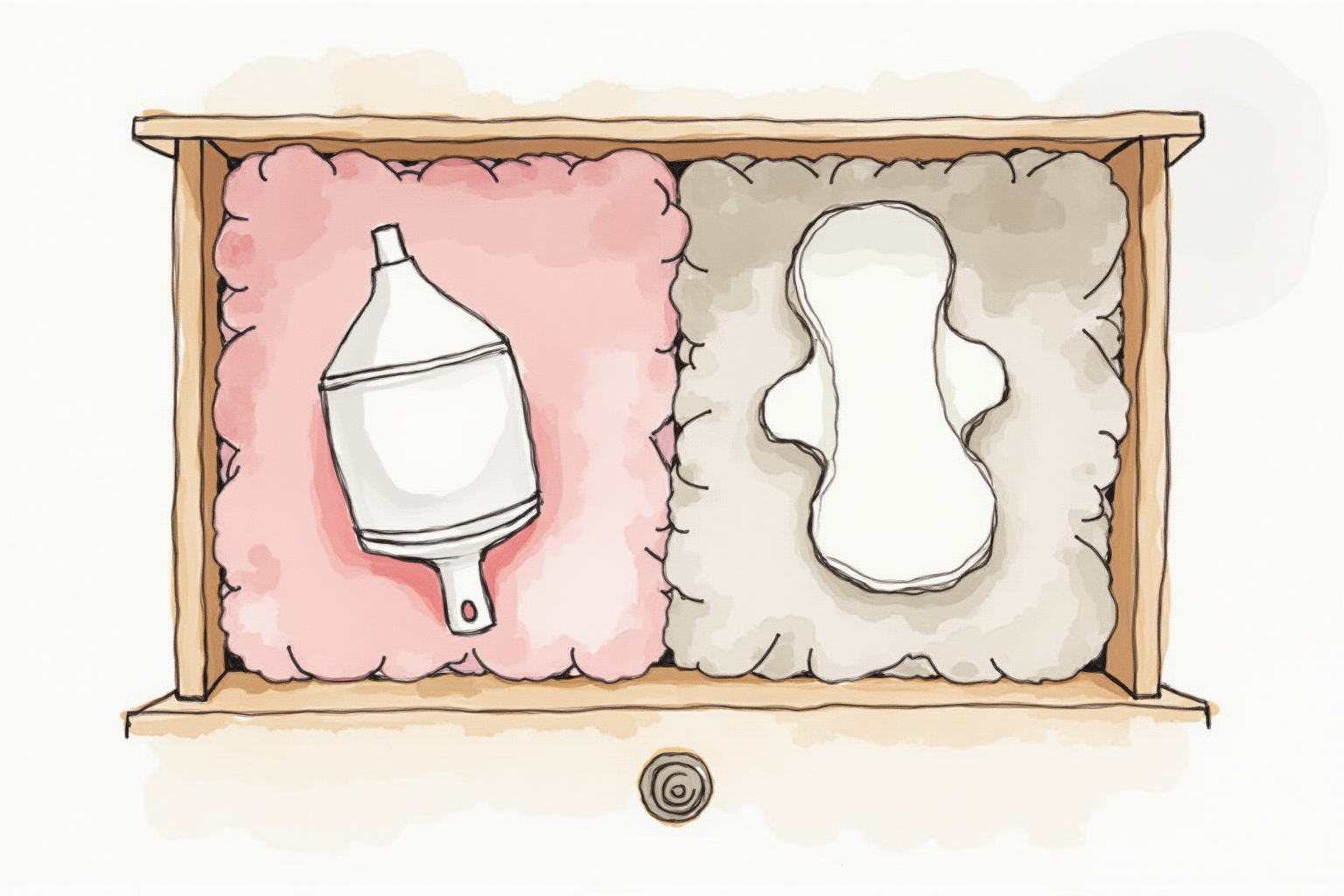
The biggest waste category for menstruating users. Disposable tampons and pads create significant waste (7,000-12,000 disposable products per person lifetime) and significant cost ($1,500-3,000 lifetime).
DivaCup Model 2 — Reusable Menstrual Cup
Price · $30-40
+ Pros
- · 10+ year lifespan with proper care
- · Medical-grade silicone — body safe
- · Holds 30ml (more than super tampon)
- · FDA-cleared and OB-GYN recommended
− Cons
- · Learning curve (1-3 cycles)
- · Public restroom emptying awkward
- · Initial cost vs $7/month tampons
Price, availability, and ratings can change; verify details on the retailer page before buying.
Per ACOG and Lancet meta-analysis, menstrual cups are safe and effective. The DivaCup pioneered the modern silicone cup category; Saalt, Lena, and Lunette offer competitive alternatives. Selection depends on flow level, cervix height, and personal anatomy.
Reusable cloth pads (LunaPads, Hannahpad) are alternative for users who don’t want internal protection. Period underwear (Thinx, Knix) offers another reusable option. All deliver dramatic waste and cost reductions over disposables.
Cotton swabs, floss, and small items
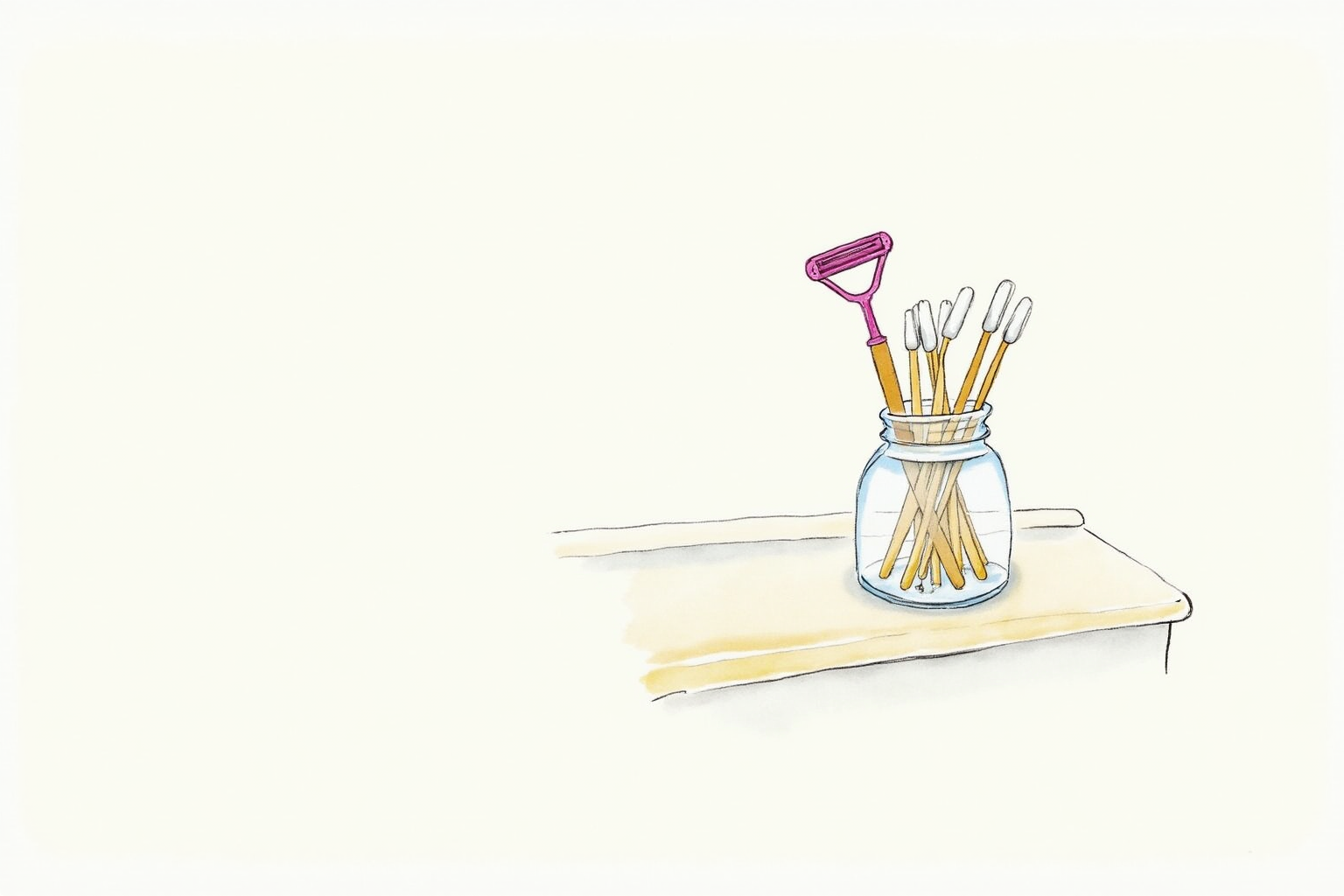
The unsung high-volume waste. Cotton swabs (Q-tips) generate 1.5+ billion pieces of waste annually in U.S. alone. Conventional dental floss is nylon (microplastic source). Cotton swab and floss alternatives are simple swaps.
LastSwab and Bambooee bamboo swabs: reusable silicone-tipped swabs (LastSwab) or bamboo-stick versions (Bambooee). LastSwab: 1 swab replaces 1,000 disposable swabs.
Silk dental floss in glass jar: replaces plastic floss containers with biodegradable silk floss. Available from Dental Lace and Public Goods.
Bamboo cotton swabs (when traditional needed): Bambooee or generic bamboo-stick + organic cotton swabs. Bamboo handle biodegrades; cotton tip composts.
Refillable dispensers
The strategy for liquid products that can’t be replaced with bars.
For hand soap, dish soap, lotion, and similar: keep one quality glass dispenser ($10-20), refill from bulk store (Whole Foods refill bar, local zero-waste shop, online refill services like Cleancult).
Bulk refill costs typically 30-50% less per ounce than packaged versions. Without local refill access, mail-order refill services (Blueland, Cleancult, Re-mark) offer concentrate tablets or refill pouches.
Bar soap
Underrated mainstream zero-waste option. Bar soap has been around forever and works as well as liquid body wash for most uses. Standard bar soap eliminates plastic body wash bottles entirely.
Look for: minimal packaging (paper wrapper or unwrapped), simple ingredients (saponified oils, glycerin, essential oils — avoid synthetic fragrances), durable formulation that lasts (cheap soaps melt fast).
Notable brands: Dr. Bronner’s, Nubian Heritage, Tom’s of Maine, local soap makers at farmers markets.
Deodorant
Liquid plastic stick replacement category. Options:
Glass jar paste deodorants: Native Plastic-Free, Schmidt’s Refillable, Meow Meow Tweet. Apply with fingers.
Cardboard tube deodorants: Hello Plastic-Free, Tom’s of Maine Cardboard, Native Cardboard. Same form factor as conventional sticks.
Solid deodorant bar in tin: Each & Every Glass, Ethique deodorant bar. Most reduced packaging.
Crystal deodorants: Crystal Stick (mineral salt). Long-lasting but works only for some body chemistries.
What NOT to bother with
Some “zero waste” products are marketing more than impact:
Bamboo cotton swabs at 5x cost of regular cotton swabs (cotton swab waste is genuinely minor in overall plastic stream).
“Eco” liquid shampoo in glass bottles that ship via mail and cost 4x bar shampoo (glass shipping waste often exceeds plastic shipping waste).
“Compostable” plastic wraps and bags that require commercial composting facilities most people don’t have access to.
Focus on shampoo bars, safety razors, refillable basics, and bulk shopping — these deliver real volume reduction.
Bottom line
A practical zero-waste bathroom transition starts with 4 high-impact swaps: shampoo bar (eliminate 4-8 bottles/year), safety razor (eliminate weekly cartridge waste plus save $100+/year), menstrual cup if applicable (eliminate 7,000+ disposables per lifetime), refillable dispensers for soap and lotion (cut packaging by 80%+).
Total upfront cost for these four swaps: $100-130. Annual savings: $150-300 after first year. Plastic reduction: roughly 80% of bathroom plastic stream.
Subsequent additions (bamboo toothbrush, cardboard deodorant, silk floss) add incrementally. The first four deliver most of the impact.
For complementary reading, see sustainable clothing brands compared, eco-laundry detergent tested, and the zero waste category.