Bathroom Exhaust Fan Summer Humidity and Mold Energy Plan
A practical home-energy and indoor-air guide for bathroom exhaust fan timing, summer humidity, mold prevention, makeup air, and maintenance.
A bathroom exhaust fan is small, but in summer it affects humidity, comfort, mold risk, and cooling load. The mistake is treating it as a noise switch instead of a moisture-control tool. This guide was checked on 2026-06-14 against EPA, CDC, DOE, ENERGY STAR, and CPSC resources. It is not electrical, HVAC, landlord, or medical advice. Follow the fan manual, building rules, lease terms, and qualified help for wiring, persistent moisture, or mold problems.
Bathroom humidity and exhaust-fan decision table
| Situation | Safer choice | Mistake to avoid |
|---|---|---|
| Mirror and walls stay wet after showers | Run fan longer and improve airflow path | Turning fan off as soon as noise is annoying |
| Fan cover is dusty | Clean accessible cover per manual | Poking into wiring or removing unsafe parts |
| Summer air is very humid | Use targeted exhaust plus surface drying | Running fan continuously without a plan |
| Mold or water damage persists | Find moisture source and use qualified help | Painting over stains and calling it solved |
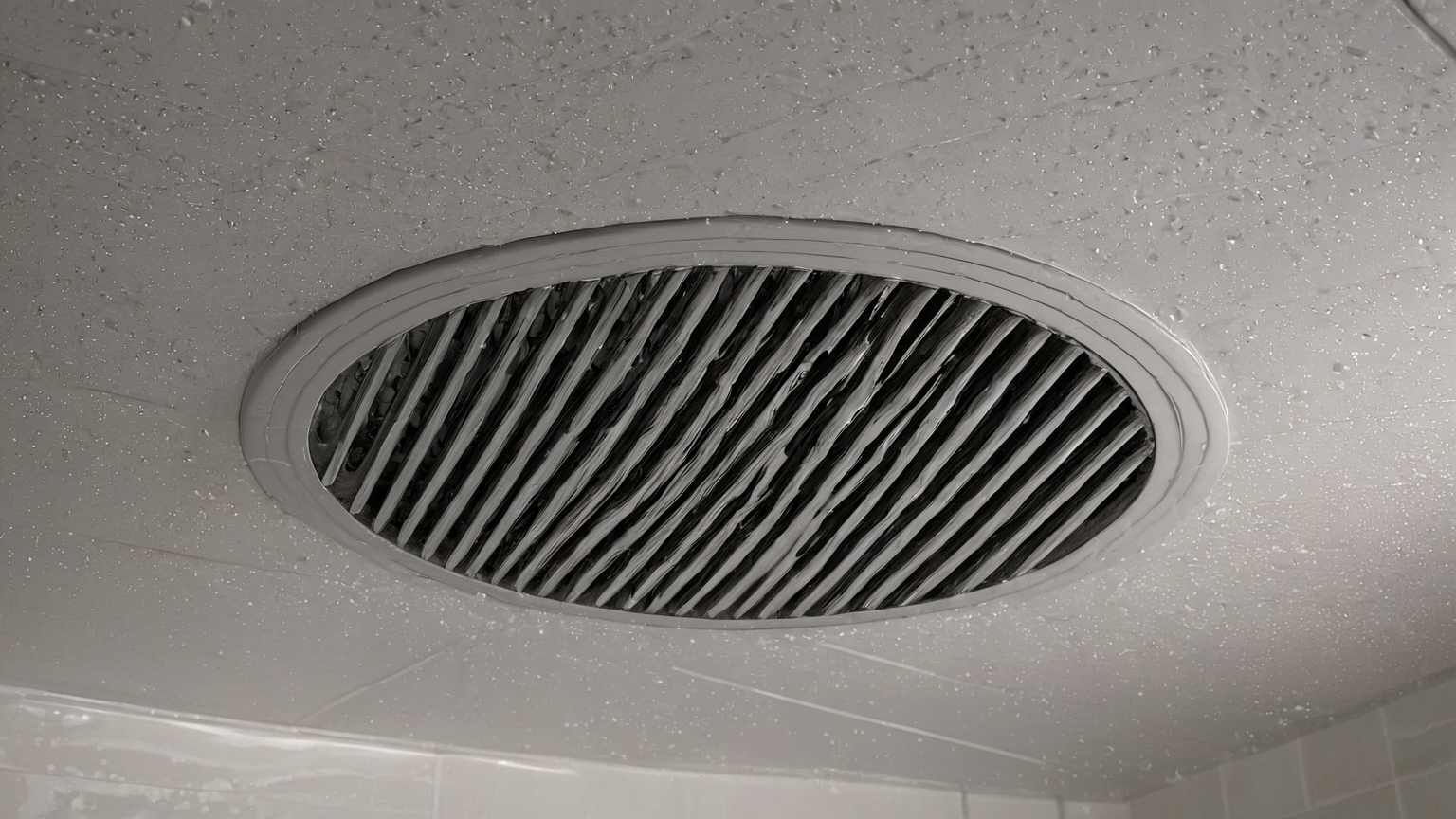
1. Run the fan for the moisture event, not just the shower
Start the fan before or during bathing and continue long enough to clear visible steam and dampness. The exact time depends on fan capacity, room size, outdoor humidity, and airflow. If mirrors stay wet, towels remain damp, or paint peels, the routine is not working. A timer switch can help, but the habit matters more than a gadget recommendation.

Reader action: choose the conservative option when two warning signs overlap, and write down the condition that would make you stop, discard, postpone, or call qualified help. This turns the article from general advice into a repeatable safety routine.
2. Give the fan somewhere to pull air from
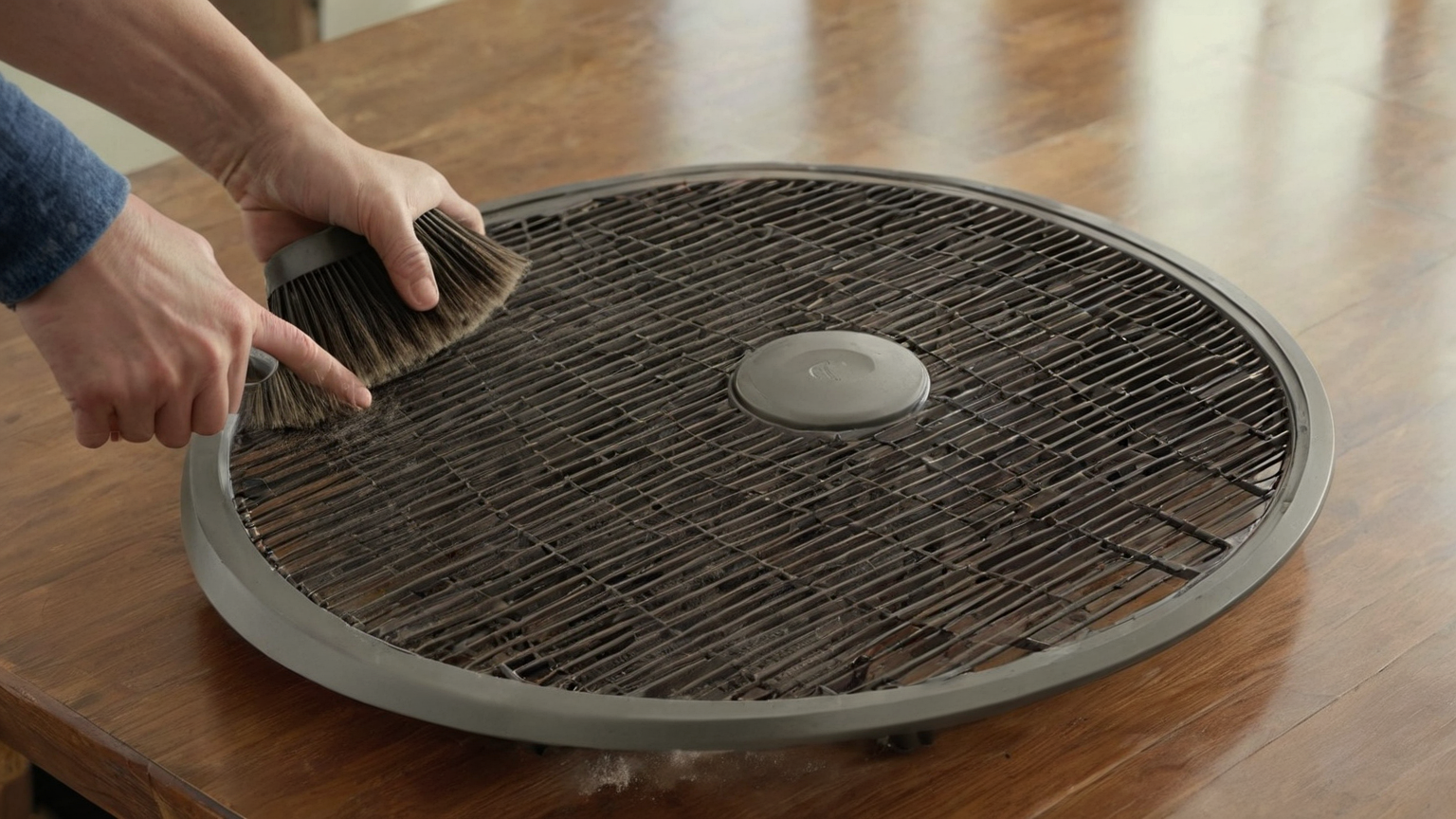
Exhaust only works when replacement air can enter the room. A tight closed door, blocked grille, or clogged fan cover can reduce performance. Leave an appropriate gap or open door after privacy needs end, and keep paths clear. Do not improvise electrical fixes or remove safety covers to increase airflow. Safe maintenance beats risky shortcuts.
Reader action: choose the conservative option when two warning signs overlap, and write down the condition that would make you stop, discard, postpone, or call qualified help. This turns the article from general advice into a repeatable safety routine.
3. Balance humidity control with cooling energy
In hot humid weather, exhausting air can pull outdoor air into the home. That may be necessary to remove bathroom moisture, but running the fan all day can waste conditioned air. Use targeted timing: remove shower moisture, then shut off. Pair the fan with towel spacing, squeegeeing wet surfaces, and shorter moisture events rather than relying on continuous ventilation.
Reader action: choose the conservative option when two warning signs overlap, and write down the condition that would make you stop, discard, postpone, or call qualified help. This turns the article from general advice into a repeatable safety routine.
4. Clean accessible parts safely
Dust and lint reduce airflow. Clean the cover or grille as the manual allows, with power precautions and no exposed wiring. If the fan is noisy, weak, smells hot, vents into the wrong place, or lacks a clear exhaust path, use qualified help. Do not climb into unsafe attic spaces or modify wiring based on a blog post.

Reader action: choose the conservative option when two warning signs overlap, and write down the condition that would make you stop, discard, postpone, or call qualified help. This turns the article from general advice into a repeatable safety routine.
5. Escalate mold and health concerns appropriately
Small moisture prevention is different from remediation. Persistent mold, water intrusion, respiratory concerns, or structural damage require more than fan timing. Use EPA and CDC guidance and qualified remediation when needed. This limitation-aware framing supports AdSense readiness by avoiding exaggerated health claims while giving readers concrete prevention steps.
Reader action: choose the conservative option when two warning signs overlap, and write down the condition that would make you stop, discard, postpone, or call qualified help. This turns the article from general advice into a repeatable safety routine.
Seven-point implementation checklist
- Open the most current official source or alert before relying on memory.
- Match the guidance to the actual person, food, vehicle, room, weather, or equipment in front of you.
- Keep the procedure, warning signs, and decision rules in readable page text rather than embedded image text.
- Reduce speed, intensity, exposure time, moisture, or food holding time when uncertainty increases.
- Separate normal maintenance from situations that require qualified medical, mechanical, electrical, food-safety, or remediation help.
- Avoid product-first shortcuts; the highest-value action is usually timing, cleaning, spacing, cooling, or conservative decision-making.
- Revisit the checklist after the season, route, illness, equipment, or household conditions change.
Source notes and limitations
The listed sources set conservative boundaries for a household, health, driving, or kitchen planning article. They do not replace local law, recalls, product manuals, clinicians, emergency responders, mechanics, electricians, food- service rules, or qualified remediation professionals. This page is intentionally non-affiliate and preserves AdSense readiness by making the evidence, limitations, and internal navigation visible.
FAQ
Why is this a 2026 guide?
The post was prepared during the 2026-06-14 publishing run and its source URLs were checked as part of the workflow. Readers should still open current official pages when conditions are changing.
Why are the visuals text-free?
The images are GTI13 raster illustrations. The real checklist, table, warnings, and source notes stay in HTML/MDX text so readers can copy, search, translate, and verify them.
Does this page contain affiliate recommendations?
No. The article is designed as helpful, source-backed guidance rather than product placement or thin volume content.