Eco Laundry Detergent Tested — Sheets, Pods, Liquid, and Real Cleaning Performance
Eco-friendly laundry detergents: detergent sheets, refillable, biodegradable formulations. Real cleaning tests, EPA Safer Choice ratings, and which actually work.

Laundry detergent is one of the highest-volume household chemical purchases and a major source of plastic packaging waste. Per EPA data, U.S. households dispose of over 1 billion plastic detergent jugs annually, and laundry chemicals contribute meaningfully to wastewater pollution. The eco-laundry category has matured significantly — detergent sheets, refillable concentrate, and certified low-impact liquid formulations now work as well as conventional detergents while reducing plastic and chemical impact dramatically.
This article uses EPA Safer Choice criteria, Consumer Reports laundry detergent testing, Wirecutter long-term reviews, EWG Cleaning Products Guide, and American Cleaning Institute data to compare eco-laundry options. Topics include detergent sheets, refillable concentrates, wool dryer balls, EPA Safer Choice certification, and cold-water washing.
For complementary content, see sustainable clothing brands compared and zero-waste bathroom products.
Detergent sheets
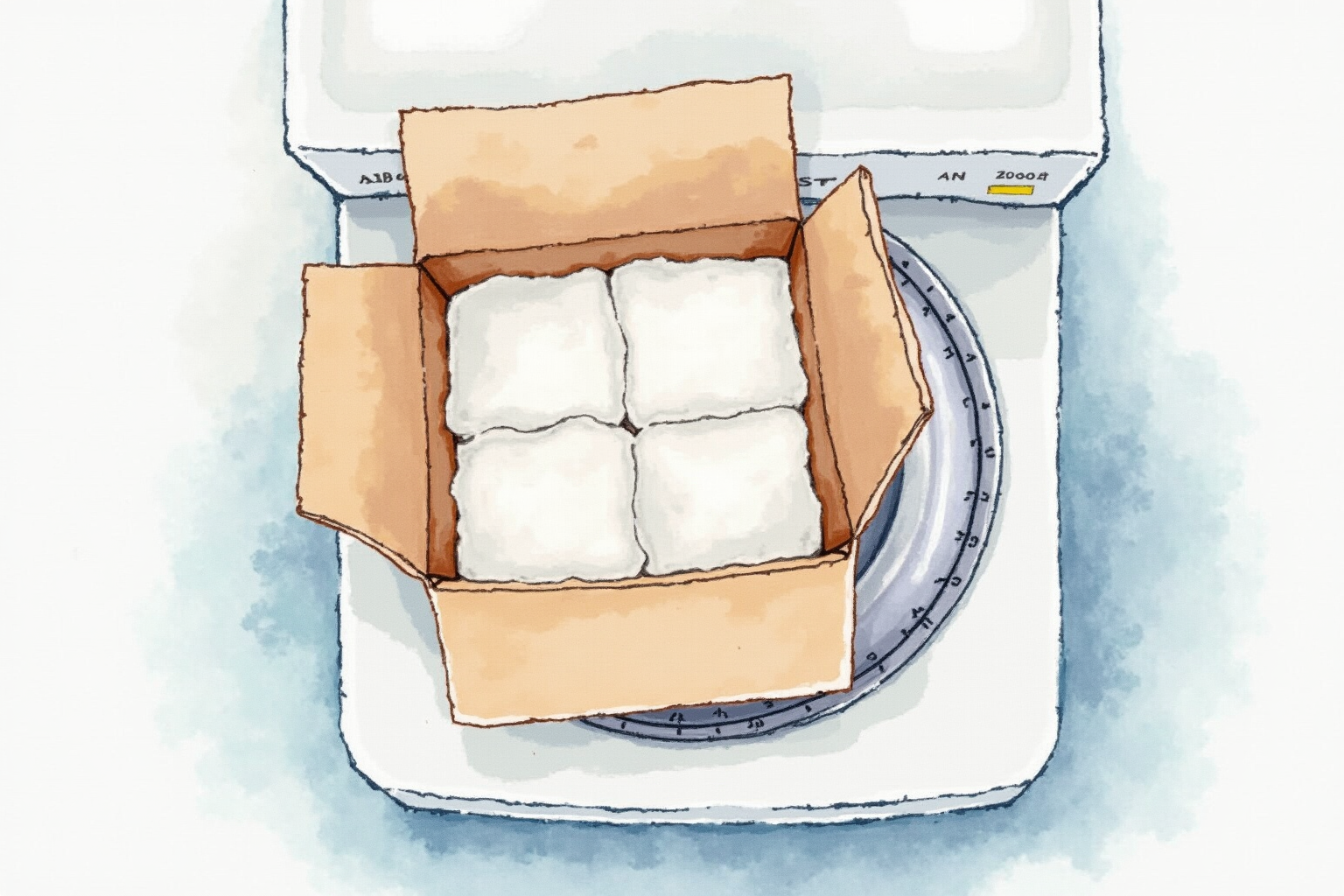
The leading mainstream eco-laundry innovation. Sheets are paper-thin pre-measured detergent that dissolves fully in water — no plastic jug, no measuring, no spills.
Earth Breeze Liquidless Laundry Detergent Sheets — 60 Loads
Price · $15-20
+ Pros
- · Plastic-free cardboard packaging
- · 60 pre-measured loads
- · Works in HE machines and cold water
- · 1% donated to clean water projects
− Cons
- · Higher per-load cost than bulk liquid
- · May need 2 sheets for very dirty loads
- · Sheets can clump in damp environments
Per Wirecutter and Consumer Reports testing, Earth Breeze, Tru Earth, and Sheets Laundry Club deliver mainstream-quality cleaning. The sheet format is travel-friendly, eliminates plastic packaging, and pre-measures correctly.
For heavily soiled loads, use 2 sheets. For light loads (lightly worn clothes), 1/2 sheet is sufficient. The cost per load is roughly equivalent to mid-tier liquid detergent.
EPA Safer Choice liquid options
For households preferring liquid detergent, several EPA Safer Choice certified options exist.
Method Concentrated Laundry Detergent — 53 Loads
Price · $18-22
+ Pros
- · EPA Safer Choice certified
- · Recycled bottle (25% post-consumer)
- · Concentrated formula — less packaging
- · Available in fragrance-free option
− Cons
- · Still uses plastic bottle (vs sheets)
- · Premium price vs basic conventional
EPA Safer Choice certifies the product meets EPA’s environmental and health safety criteria. Products carrying this label are independently verified — not just marketing claims.
Other Safer Choice-certified mainstream brands: Seventh Generation, Mrs. Meyer’s Clean Day, Ecover. All available at most grocery stores.
Refillable systems
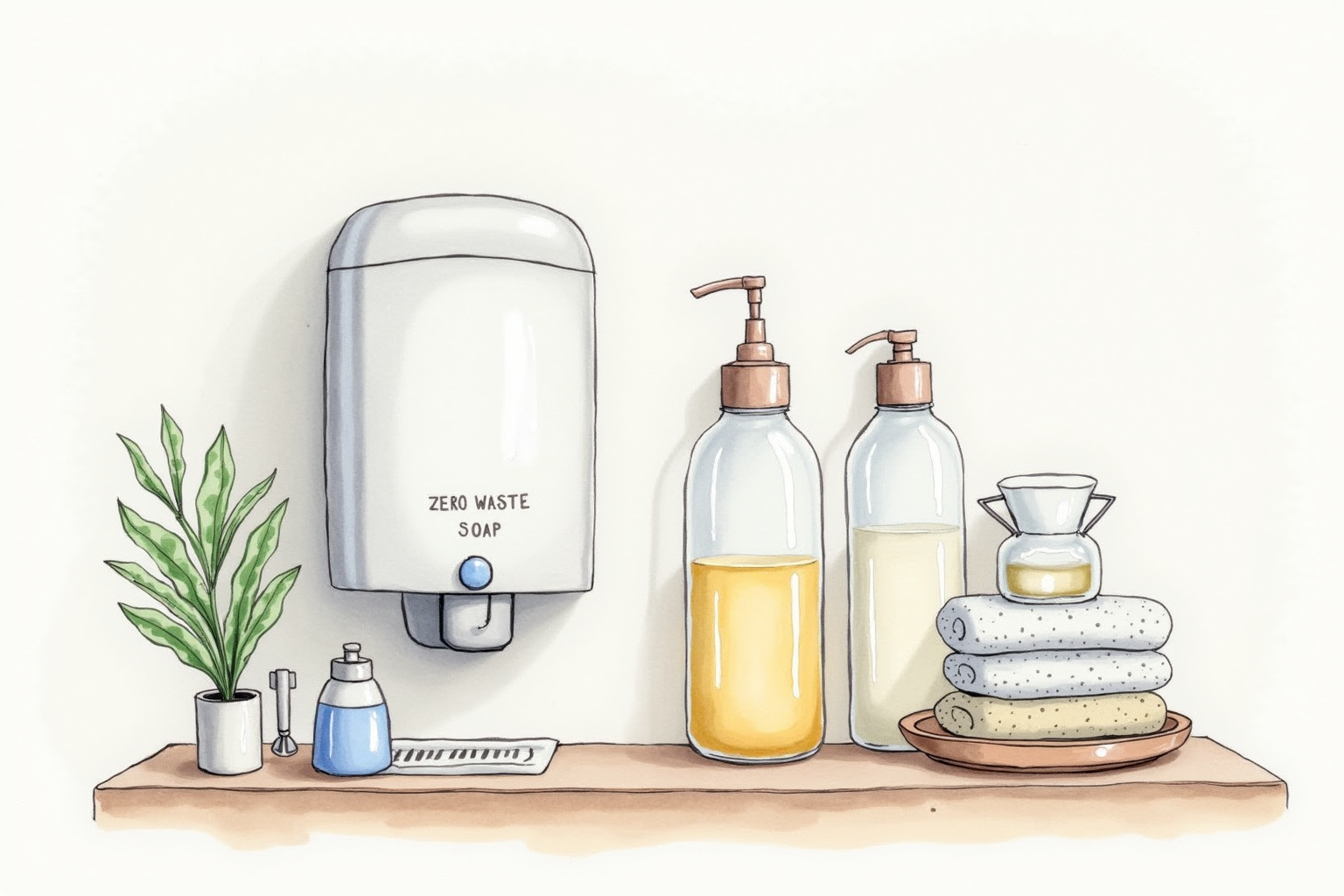
The waste-elimination strategy. Companies like Cleancult, Blueland, and Re-mark ship concentrated formulas or tablets that you mix with water in reusable containers.
Cleancult: liquid concentrate in paper cartons that refill a reusable plastic or glass bottle. Cost: $5-7 per refill (50-60 loads).
Blueland: tablets that dissolve in water in a reusable forever-bottle. Includes laundry tablets, hand soap, glass cleaner. Cost: $3-5 per refill.
Local refill stores: many cities now have zero-waste shops with bulk detergent refilling. Bring your own bottle, pay by weight. Cost varies but typically 30-50% less than packaged equivalents.
Wool dryer balls
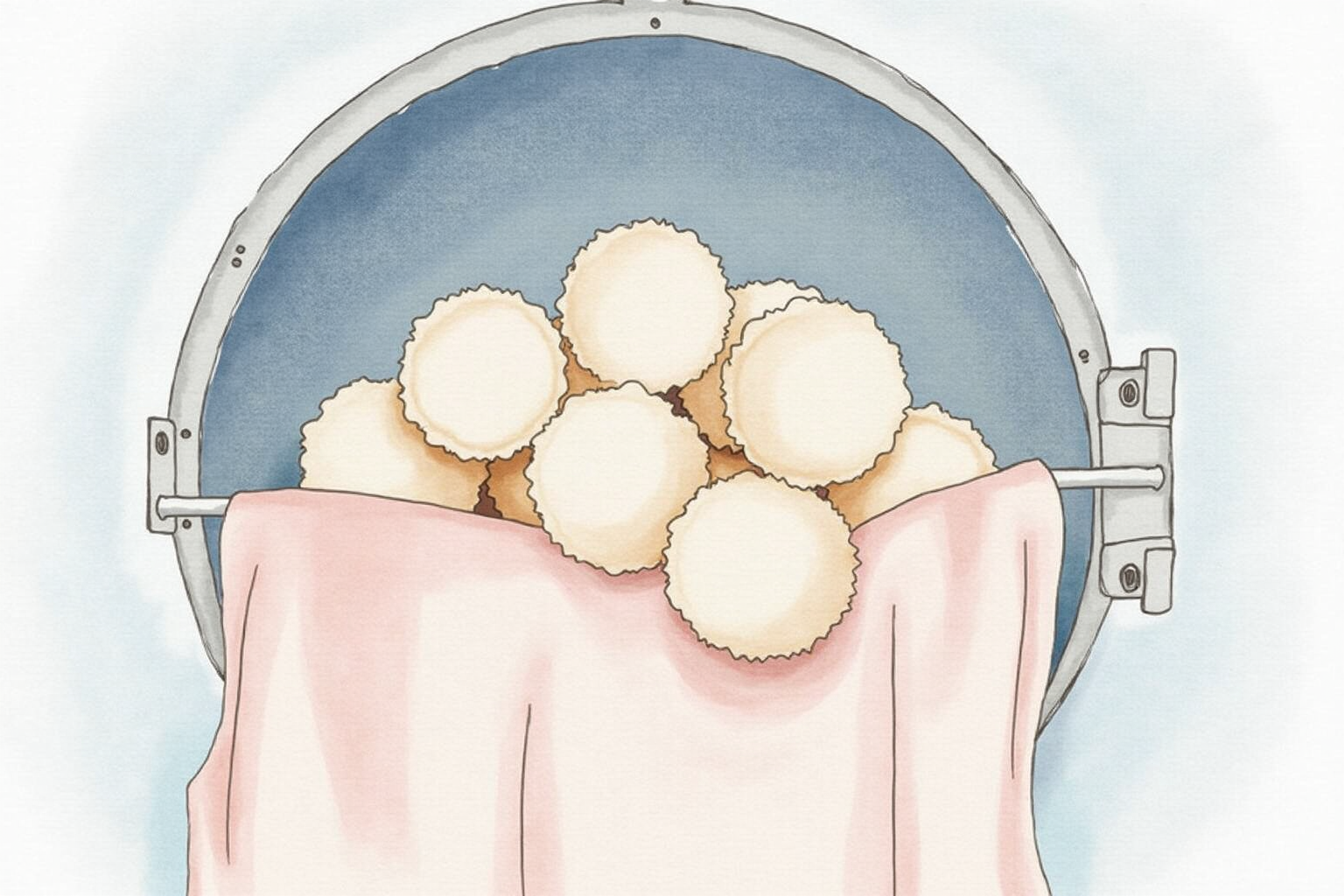
The simplest universal upgrade. Wool dryer balls replace dryer sheets entirely.
Smart Sheep Wool Dryer Balls — 6 Pack XL
Price · $20-30
+ Pros
- · Lasts 1,000+ loads (5+ years)
- · Reduces drying time 15-25%
- · Naturally softens fabrics
- · Zero waste — fully biodegradable at end
− Cons
- · Initial wool smell (washes off)
- · Doesn't add fragrance (essential oils optional)
- · Slightly noisy in dryer
Per Wirecutter long-term testing, wool dryer balls are the top recommended dryer aid. They work by physically separating clothes for better airflow, absorbing residual moisture from clothes (transferring to drier air sooner), and adding gentle agitation that softens fabrics.
The 15-25% drying time reduction means real energy savings — for households drying 4+ loads weekly, that’s $30-60/year on dryer electricity.
For static reduction, slightly dampen dryer balls before adding to load (water particles improve electrostatic dissipation). For fragrance, add 2-3 drops of essential oil to each ball.
Cold water washing
The highest-impact action that costs nothing. Per DOE energy analysis, 90% of household laundry energy goes to heating water — not running the machine.
Switching from warm to cold water washing saves $30-100/year on water heating. For households with electric water heaters, savings are higher.
Modern detergents are formulated for cold water. Per Consumer Reports testing, cold-water washing cleans normal-soil clothing as well as warm-water washing with modern formulations. Reserve hot water for: heavily soiled items, towels and bedding for sanitation, and rare deep cleans.
What about pods?
Mixed picture. Single-dose pods (Tide Pods, Persil ProClean, All Mighty Pacs) eliminate measuring and overdose risk. Downsides: PVA (polyvinyl alcohol) film often doesn’t fully dissolve and contributes to microplastic stream, individual pod packaging or large plastic tubs reduce packaging savings vs concentrate, generally higher per-load cost than liquid or sheets.
Per recent research, much of PVA pod film does not fully biodegrade in typical wastewater treatment. EPA Safer Choice has yet to certify a mainstream pod option, though research is ongoing.
For households wanting convenience without pods, detergent sheets offer pre-measured convenience without PVA concerns.
Fabric softener — skip it entirely
Per dermatologist and chemist analysis, fabric softeners offer minimal real benefit and significant downside. They coat fabric fibers with chemicals (quaternary ammonium compounds, silicones) that reduce fabric breathability and absorbency. Reduce towel absorbency by 30-40% over time. Reduce moisture wicking in athletic clothing. Contribute to building up residue in washing machine.
Wool dryer balls plus modern detergents handle softening without these issues. Skip fabric softener entirely — your towels and athletic wear will thank you.
Stain treatment
Pre-treatment options without harsh chemistry:
White vinegar: removes coffee, wine, and many fresh stains. Apply directly, wait 5 minutes, then wash.
Hydrogen peroxide: removes blood, sweat stains, and brightens whites. Use 3% concentration, apply directly, wash.
Baking soda paste: removes grease and oil stains. Make paste, apply, let sit 15-30 minutes, wash.
Bar laundry soap (Fels-Naptha, Zote): excellent for ground-in stains. Rub onto wet stain, let sit 30 minutes, wash.
Commercial eco stain treatments: Seventh Generation Stain Remover, Method Stain Remover.
Bottom line
A practical eco-laundry transition: switch to detergent sheets (Earth Breeze, Tru Earth) for plastic-free packaging, use wool dryer balls (Smart Sheep) instead of dryer sheets, wash in cold water for 90% energy reduction, skip fabric softener entirely, treat stains with vinegar/peroxide/baking soda or eco stain treatments.
Total cost: ~$50 upfront for sheets-and-wool-balls setup. Annual savings: $50-150 on detergent + dryer sheets + water heating. Plastic reduction: roughly 100% of detergent and dryer sheet plastic stream eliminated.
For complementary reading, see sustainable clothing brands compared, zero-waste bathroom products, and the eco cleaning category.