Low-Flow Showerheads Tested — EPA WaterSense Data and Real Water Savings
Low-flow showerheads: EPA WaterSense standards, real GPM testing, and which fixtures deliver good showers while cutting water and water-heating costs.
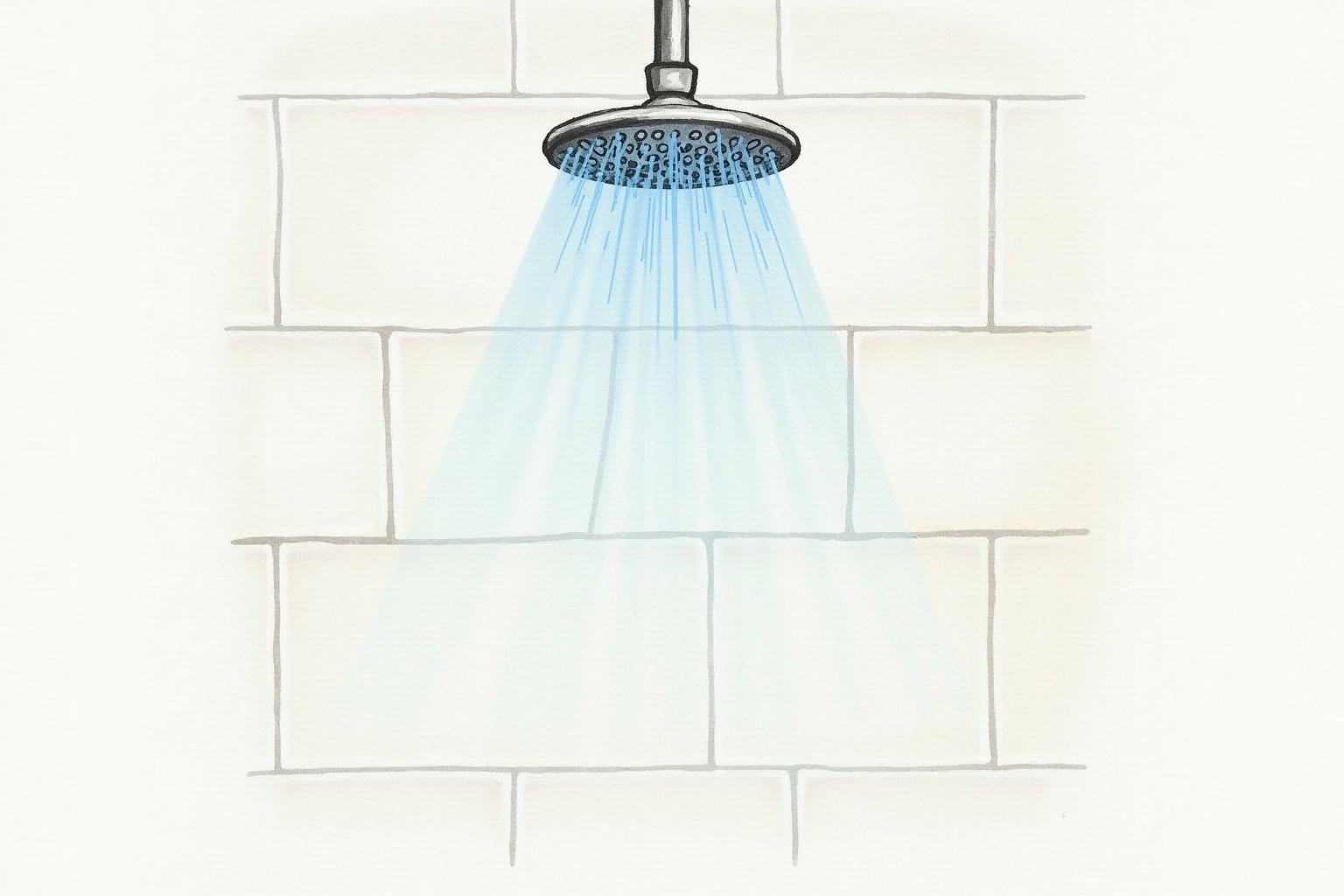
Showers account for about 17% of indoor residential water use per EPA WaterSense data and about 19% of household water heating energy per DOE analysis. Switching to a low-flow showerhead is one of the highest-ROI sustainability upgrades available — modest upfront cost ($20-60), significant water and energy savings, and no lifestyle compromise when quality units are chosen.
This article uses EPA WaterSense certification data, DOE water heating energy analysis, Consumer Reports showerhead testing, and Wirecutter performance reviews to identify which low-flow showerheads deliver real shower quality alongside water savings. Topics include WaterSense standards, GPM ratings, fixture styles, and the dollar math.
For complementary content, see LED vs CFL bulbs data and heat pump vs gas heater.
What WaterSense means
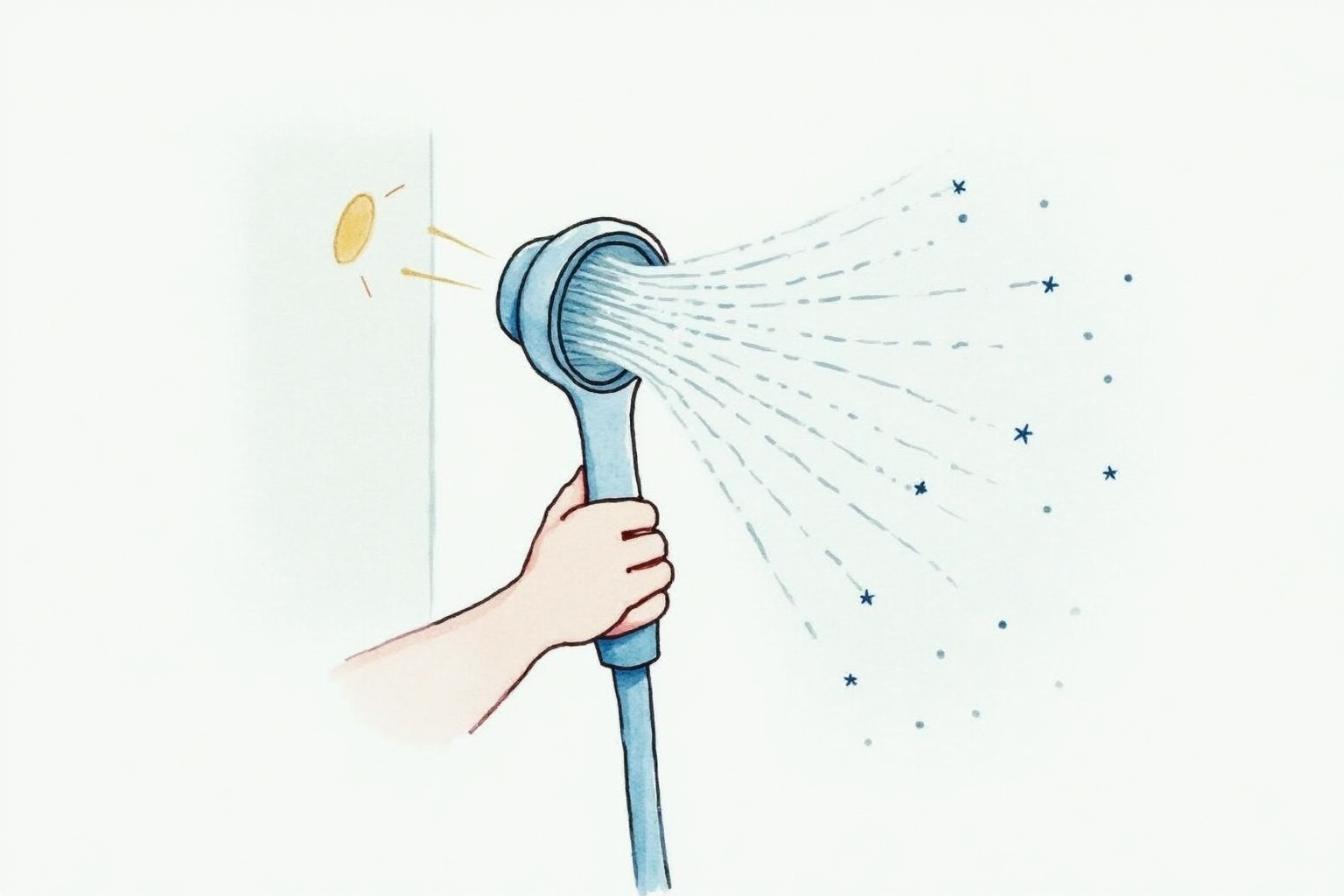
EPA WaterSense is the EPA-managed certification program for water-efficient fixtures. Per WaterSense specifications, certified showerheads must:
Operate at 2.0 GPM (gallons per minute) or less at 80 PSI standard test pressure. Deliver minimum 1.0 GPM of effective flow (no “trickle” certification). Pass spray force testing — actual shower experience must rate adequately in user tests. Pass spray coverage testing — minimum spray pattern area to feel like a real shower.
The key distinction: WaterSense isn’t just about flow rate — it includes performance criteria. A 2.0 GPM showerhead that delivers a poor experience won’t earn WaterSense. This is why quality WaterSense-rated showerheads feel similar to or better than standard 2.5 GPM units despite lower flow.
Beyond WaterSense
California requires 1.8 GPM maximum (more stringent than WaterSense). Some manufacturers (Niagara, Bricor) sell ultra-low-flow models at 1.25-1.5 GPM. These work well in homes with adequate water pressure (35+ PSI typical) but can feel weak in homes with marginal pressure.
Standard low-flow
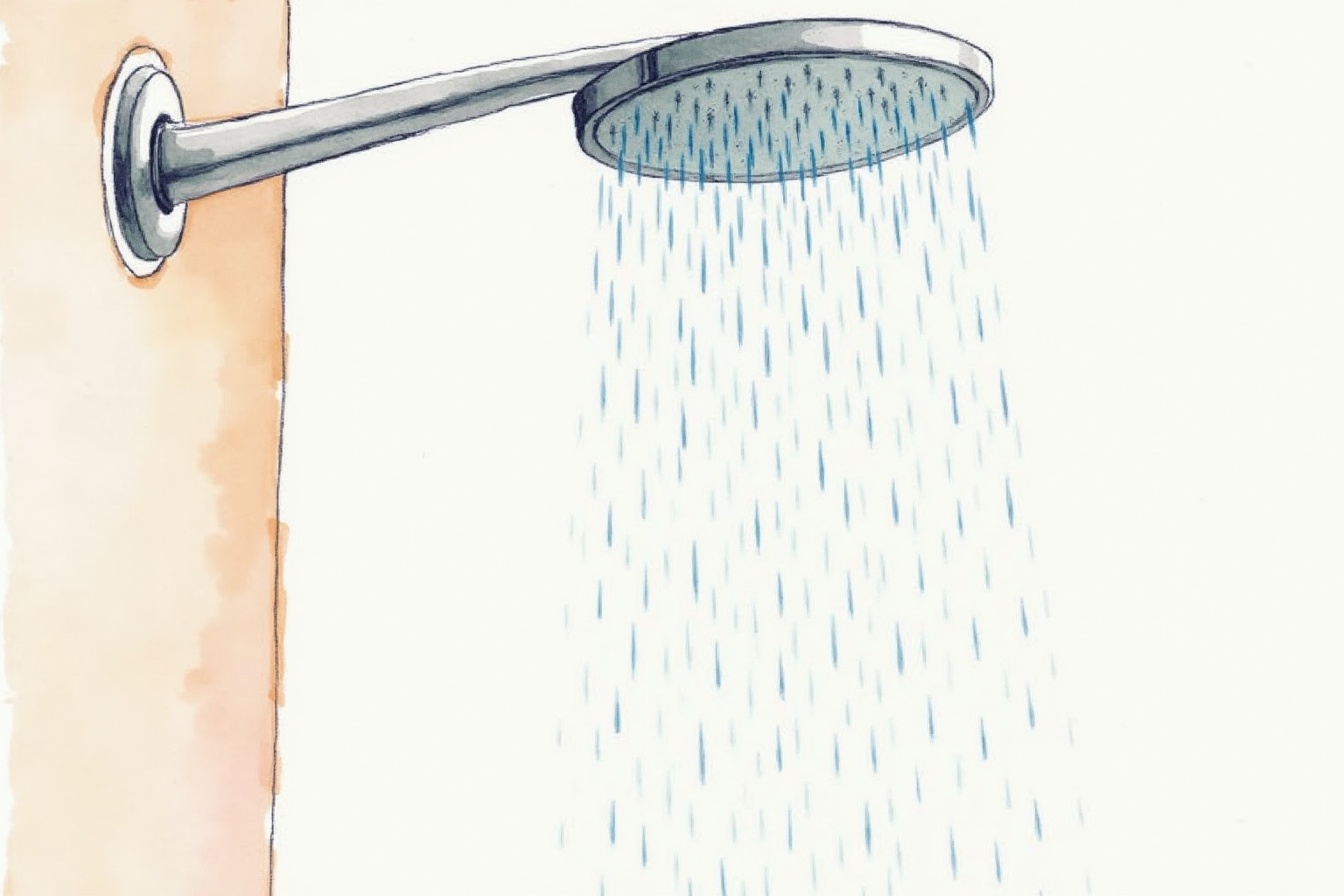
The mainstream WaterSense category. Quality units from Delta, Moen, Kohler, and Speakman deliver 1.5-1.75 GPM with full shower experience.
Delta H2Okinetic Single Spray Showerhead — 1.75 GPM
Price · $35-45
+ Pros
- · H2Okinetic spray pattern — feels stronger than flow suggests
- · 1.75 GPM EPA WaterSense certified
- · Self-cleaning nozzles
- · 5-year limited warranty
− Cons
- · Premium pricing for low-flow
- · Mineral buildup possible in hard water
Paid affiliate link. Price, availability, and ratings can change; verify details on the retailer page before buying.
Delta’s H2Okinetic technology shapes water droplets into larger size and consistent pressure pattern. The result: 1.75 GPM feels like 2.5 GPM with most users unable to distinguish in blind tests per Consumer Reports panel testing.
Spray pattern variety
Premium low-flow showerheads offer multiple spray settings — full body, massage, mist, rinse, etc. Different settings can vary in flow within the same showerhead, but the rated GPM is the maximum across all modes.
Handheld
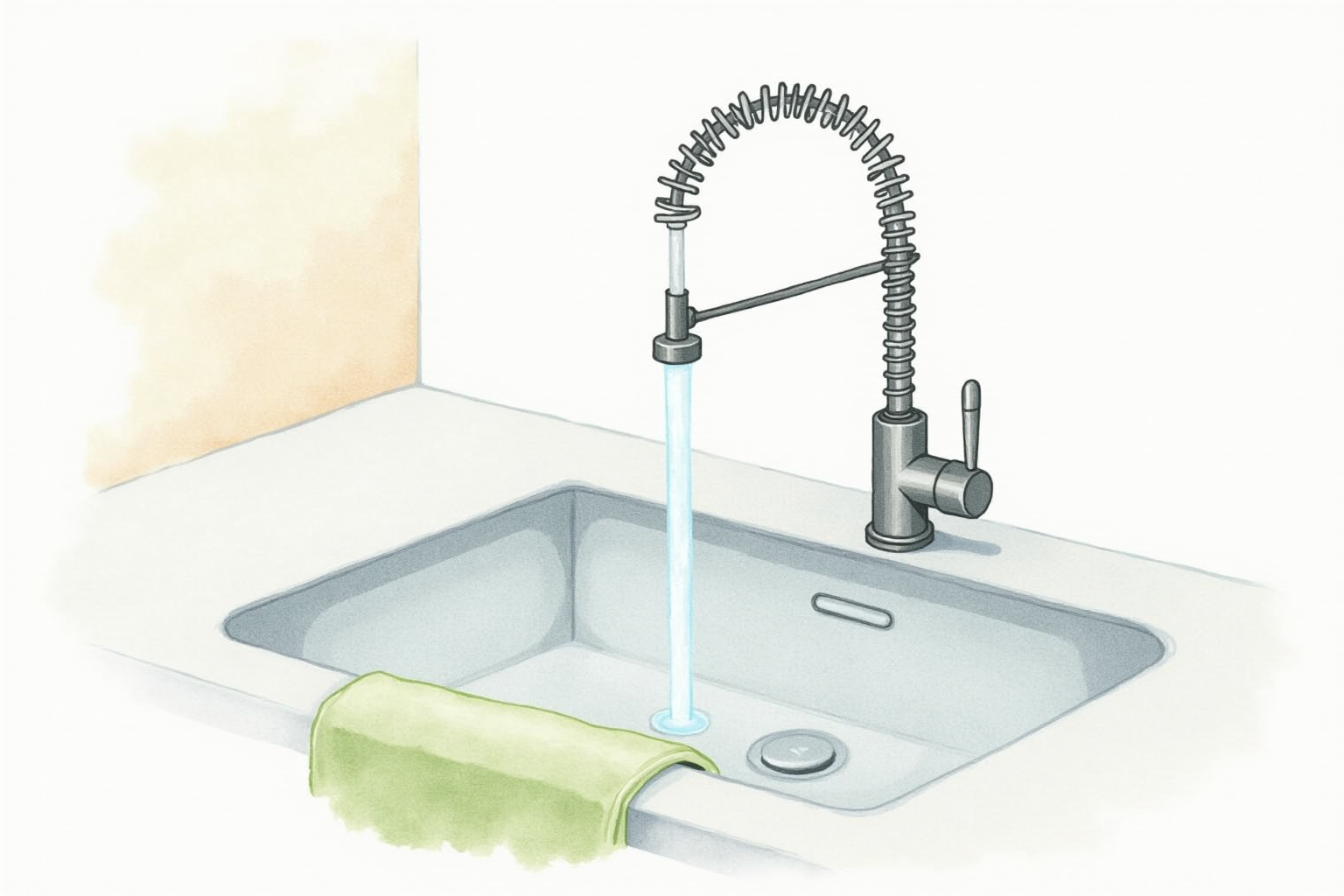
Handheld showerheads add flexibility for cleaning, bathing kids, washing pets, and accessibility. Premium handheld models match wall-mount performance at WaterSense flow rates.
Moen Magnetix Eco-Performance Handheld Showerhead — 1.75 GPM
Price · $50-65
+ Pros
- · Magnetic dock for handheld convenience
- · 1.75 GPM EPA WaterSense
- · Six spray patterns
- · Diamond Spray for stronger feel
− Cons
- · Magnetic dock requires alignment
- · Hose can be visible aesthetic
Paid affiliate link. Price, availability, and ratings can change; verify details on the retailer page before buying.
Handheld is the best choice for households with mobility needs, families with young children, pet bathing, or limited shower cleaning. The magnetic-dock design (Moen Magnetix) eliminates the fiddly cradle-and-clip of older handheld designs.
Rainfall
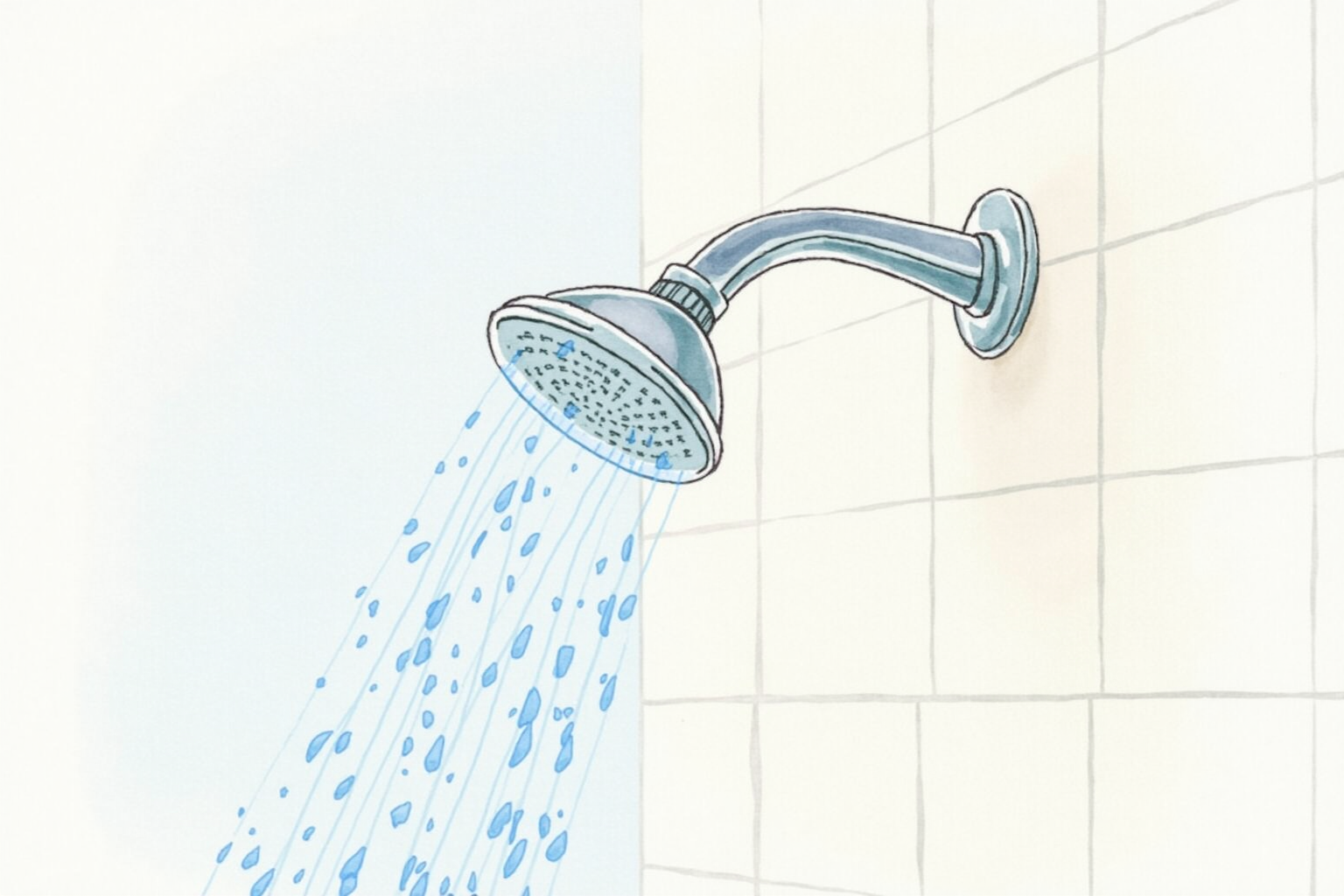
Larger-diameter showerheads designed for overhead “rainfall” feel. Modern rainfall showerheads can achieve WaterSense certification through engineered nozzle design that maintains coverage at low flow rates.
For luxury bathroom updates, look for 8-12 inch diameter rainfall showerheads at 1.75-2.0 GPM rated. The larger spray area at lower per-nozzle pressure creates the rainfall effect at WaterSense compliance.
Avoid rainfall showerheads above 2.5 GPM — they exceed federal maximum and waste water at high rates. Some “luxury” rainfall units skirt regulations by allowing flow above 2.5 GPM with separate aerator — check the package rating carefully.
Combination dual-head
Showerheads with both an overhead and handheld unit that can run simultaneously. WaterSense-certified versions exist but are uncommon.
Speakman Anystream 8-Jet Combo Showerhead with Handheld — 2.0 GPM
Price · $80-100
+ Pros
- · Solid brass construction
- · 8 spray patterns + handheld
- · 2.0 GPM WaterSense certified
- · Anti-clogging silicone nozzles
− Cons
- · Premium price point
- · Bulkier installation
Paid affiliate link. Price, availability, and ratings can change; verify details on the retailer page before buying.
Choice depends on use case. Single-head wall mount is the simplest. Handheld adds flexibility. Rainfall is luxury. Combination dual is for multi-use households where one shower serves varied needs.
The annual savings math
Per EPA WaterSense and DOE energy calculations, a typical 4-person household running 8-minute showers each daily uses:
At 2.5 GPM: 80 gallons/day = 29,200 gallons/year At 1.75 GPM: 56 gallons/day = 20,440 gallons/year At 1.5 GPM: 48 gallons/day = 17,520 gallons/year
Savings from 2.5 GPM to 1.75 GPM: 8,760 gallons/year Savings from 2.5 GPM to 1.5 GPM: 11,680 gallons/year
Water cost varies regionally, $5-12 per 1,000 gallons typical. That’s $40-140/year direct water savings.
Energy savings on water heating depend on fuel. Electric water heater at $0.15/kWh saves $80-160/year on shower water heating. Gas water heater at $1.50/therm saves $40-90/year. Heat pump water heater saves $30-60/year.
Combined typical savings: $80-180/year. Showerhead cost: $20-60. Payback: under 1 year.
Installation
Trivial DIY. All showerheads in the U.S. use 1/2-inch NPT thread connection. Steps:
- Wrap shower arm thread with 2-3 wraps of plumber’s PTFE tape (clockwise from arm tip view).
- Hand-thread new showerhead onto shower arm, finger tight.
- Snug an additional 1/4-1/2 turn with adjustable wrench (don’t over-tighten).
- Test for leaks at the joint.
Total time: 5 minutes. No tools beyond adjustable wrench and PTFE tape ($2 at any hardware store).
What to avoid
Cheap unbranded low-flow showerheads ($5-15 range) often have poor performance. The flow may be reduced through simple plug-restriction rather than engineered pattern, resulting in genuinely weak feel. Brand premium ($25-60 range) is worth it.
Showerheads marketed “high-pressure” without WaterSense certification often exceed federal flow limits by 30-50%. Federal regulations cap at 2.5 GPM but “high-pressure” marketing models often run 3.0-3.5 GPM. Confirm GPM rating on package.
“Combination” showerheads that allow both heads to run simultaneously can exceed federal flow when both engaged. The package may show “2.5 GPM each” but combined flow at 5.0 GPM is illegal and wasteful.
Bottom line
A quality WaterSense-certified low-flow showerhead ($30-50, 1.5-1.75 GPM) is one of the highest-ROI sustainability purchases available. Direct savings of $80-180/year, payback in under 1 year, water savings of 8,000-12,000 gallons annually, and no lifestyle compromise.
Choose based on bathroom configuration: single wall-mount for standard showers, handheld for accessibility or family use, rainfall for luxury renovation. Avoid “high-pressure” non-WaterSense marketing and combination dual-heads that bypass flow regulations.
For complementary reading, see LED vs CFL bulbs data, heat pump vs gas heater, and the water conservation category.