Bamboo Toothbrush Reviewed — Bristle Safety, Decomposition, and Real Sustainability
Bamboo toothbrushes vs plastic — ADA dental standards, bristle materials, compost data, and which brands actually deliver sustainable oral care.
Per Plastic Pollution Coalition and EPA waste data, Americans dispose of about 1 billion plastic toothbrushes per year — most landing in landfills where they persist for 500+ years. The American Dental Association recommends replacing toothbrushes every 3-4 months, meaning each adult cycles through 3-4 toothbrushes annually. The category lends itself well to biodegradable alternatives because the use is short, the material requirements are modest, and disposal frequency is high.
This article uses ADA toothbrush selection guidelines, Consumer Reports reviews, FDA dental device standards, and USDA Forest Service bamboo farming data to evaluate bamboo toothbrushes. Topics include bristle materials, ADA recommendations, decomposition pathways, real-world durability, and how bamboo compares to plastic for both effectiveness and sustainability.
For complementary content, see reusable water bottles compared and silicone food storage tested.
What bamboo toothbrushes actually are
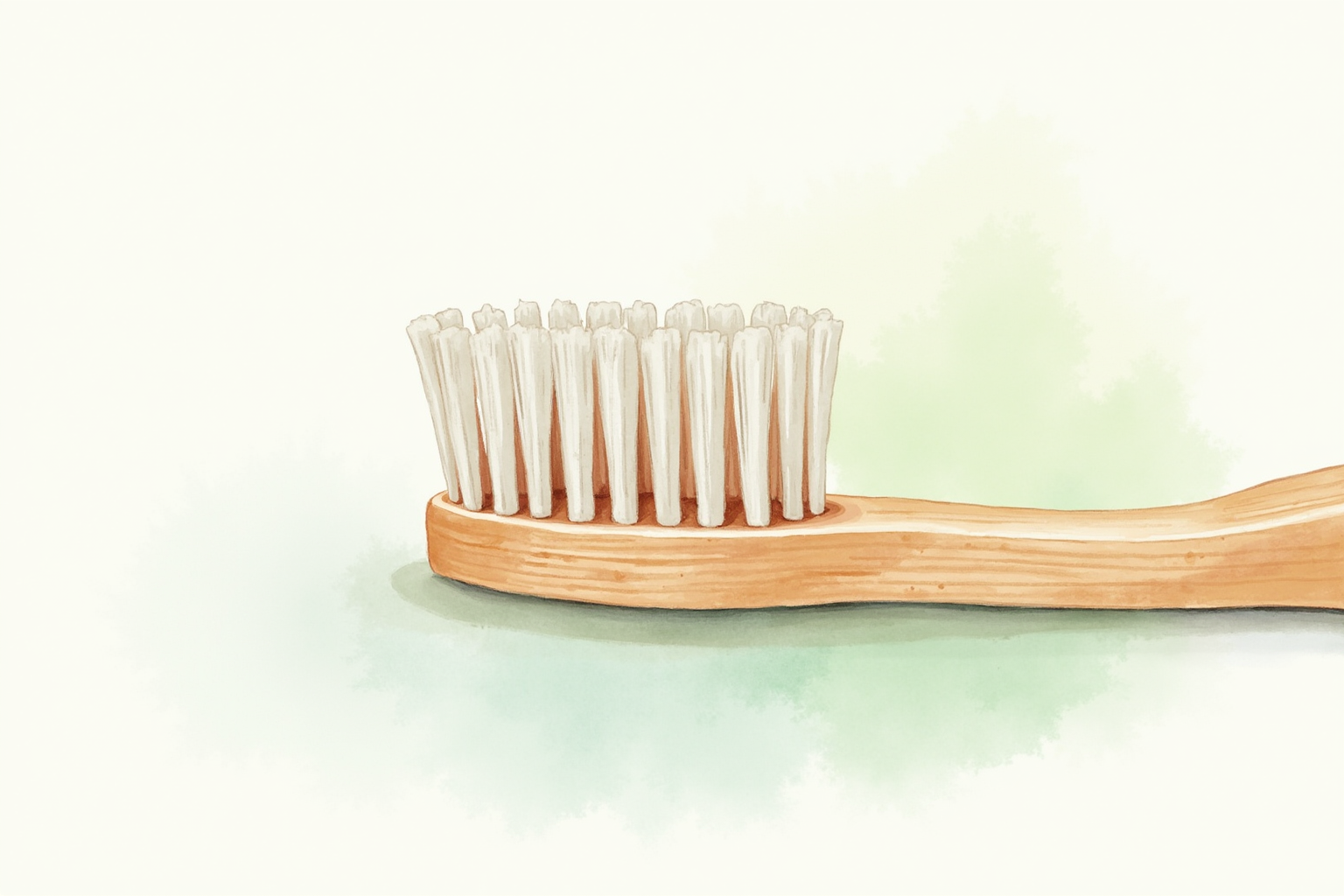
A modern bamboo toothbrush has a bamboo handle (typically Moso bamboo, FSC-certified where possible) and bristles made of nylon-6 or plant-based alternatives. The handle is the main biodegradable component — bristles still require special handling at end of life because true bamboo bristles are not practical for tooth brushing.
Per most reputable manufacturers (Brush With Bamboo, WooBamboo, The Humble Co.), the bamboo is sustainably harvested without pesticides, the handles are unsealed (no chemical coatings), and bristles are BPA-free nylon. Some premium options use plant-based polylactic acid bristles, though these are more expensive and have shorter useful life.
ADA equivalence
Per ADA toothbrush selection guidelines, toothbrush effectiveness depends on bristle quality, head size, and brushing technique — not handle material. The ADA Seal of Acceptance has been awarded to multiple bamboo toothbrushes including some Humble Co. and Brush With Bamboo SKUs. For users worried about whether bamboo cleans teeth as well as plastic: yes, with equivalent or better technique they perform identically.
Bristle options
The bristles are the key technical decision in choosing bamboo toothbrushes.
Nylon-6 (most common)
Standard nylon bristles, identical to those used in plastic toothbrushes. Soft to medium hardness, BPA-free formulations, durable through 3-4 months of use, and dentist-approved equivalents.
The downside: nylon does not biodegrade. End of life requires removing the bristles (pliers or wire cutters) before composting the handle. Some manufacturers (Brush With Bamboo) sell pre-snapped bristle heads for easier removal.
Brush With Bamboo — 4 Pack
Price · $15-20
+ Pros
- · FSC-certified Moso bamboo handle
- · BPA-free nylon bristles
- · ADA-equivalent soft bristle
- · Compostable handle in 4-6 months
− Cons
- · Premium price vs plastic
- · Bristles require removal before composting
- · Slight bamboo flavor first use
Paid affiliate link. Price, availability, and ratings can change; verify details on the retailer page before buying.
Plant-based bristles
Castor oil or corn-starch derivatives. Closer to fully biodegradable but generally softer and shorter-lived than nylon. Some users find they wear faster than the 3-month recommended replacement window. Cost premium of $1-2 per brush.
Boar bristle
Traditional natural bristle. Hard, abrasive, and not recommended by dentists for most users — too aggressive for gum tissue. Skip unless you have specific dental advice for this material.
Major brand comparison
The bamboo toothbrush category has matured into a handful of reliable brands plus many cheaper unbranded options.
The Humble Co. Bamboo Toothbrush — 6 Pack
Price · $15-18
+ Pros
- · B-corp certified — sustainability transparent
- · Soft BPA-free bristles
- · Donated brushes to dental aid programs
- · Wide color range for family use
− Cons
- · Bristles still nylon — must remove for compost
- · Handle prone to splintering if waterlogged
Paid affiliate link. Price, availability, and ratings can change; verify details on the retailer page before buying.
WooBamboo Eco-Friendly Toothbrush — 4 Pack
Price · $10-13
+ Pros
- · Affordable entry point
- · FSC-certified bamboo
- · BPA-free soft bristles
- · Compact head fits smaller mouths
− Cons
- · Cheaper plastic-blend bristles
- · Some reviews note bristle loss after 1 month
Paid affiliate link. Price, availability, and ratings can change; verify details on the retailer page before buying.
For most users, the differences between these brands are minor — all use FSC-certified bamboo, BPA-free nylon bristles, and ADA-equivalent design. Brand choice often comes down to price, color preferences, and value-alignment (Humble Co.’s dental aid programs, Brush With Bamboo’s regenerative farming focus).
Care and handle longevity

Bamboo handles last 3-4 months with normal care — same as plastic toothbrushes per ADA guidelines. Key care practices for extending handle life: shake bristles dry after use, store upright with bristles up (allows water drainage), avoid sustained water immersion (warps and splits bamboo), keep in a ventilated holder (closed cabinets retain moisture).
Common issues per user reports: handle splitting along grain (avoidable with proper drying), bristle loss (more common with cheaper brands), and slight darkening of bamboo over time (cosmetic, doesn’t affect function).
End of life and composting
This is where bamboo toothbrushes deliver the headline sustainability benefit. The two-step disposal process:
Step 1: Remove bristles
Use pliers, wire cutters, or scissors to pull out or cut the bristles from the handle. Many bamboo brushes have a small pre-scored area for easier separation. The bristles (nylon) can be sent to TerraCycle’s oral care recycling program (free with subscription), included in #5 plastic recycling if your municipality accepts it, or as a last resort, landfilled.
Step 2: Compost handle
The bare bamboo handle composts fully in 4-6 months in a home compost bin, faster in commercial composting. Cut into smaller pieces (2-3 inch sections) to accelerate breakdown. The handle is also acceptable for landfill — bamboo biodegrades naturally in 1-3 years, vs 500+ years for plastic.
For a typical user replacing toothbrushes 4 times per year over 30 years (120 brushes), that’s 120 plastic toothbrushes diverted from 500-year landfill persistence to 1-6 month biodegradation.
Cost comparison
The annual cost impact is modest but real. Premium bamboo toothbrush (Brush With Bamboo, Humble Co.): $4-5 per brush × 4 per year = $16-20 annually. Mid-tier plastic toothbrush (Oral-B, Colgate): $2-3 per brush × 4 per year = $8-12 annually. Premium electric toothbrush head replacement: $5-8 per head × 4 per year = $20-32 annually plus initial $80-200 device cost.
Bamboo runs about $8-10 per year more than plastic manual. For a family of 4 over 30 years, that’s ~$1,000 lifetime premium for bamboo. Comparable to or less than the lifetime premium of buying ENERGY STAR appliances — quite reasonable for the sustainability benefit.
When bamboo isn’t the right choice
Manual bamboo isn’t always the best dental option. Per Cochrane Review and ADA position statements, electric toothbrushes (oscillating-rotating or sonic) remove 21% more plaque on average than manual brushes and reduce gingivitis 11% more effectively. For users with gum disease, orthodontics, dexterity issues, or history of cavities, electric is the dental health priority.
For these users, look for electric toothbrushes with recyclable components and replaceable heads (Oral-B’s TerraCycle program accepts heads). The sustainability gap between electric and bamboo manual is real but secondary to oral health outcomes.
Practical recommendation
For most adults without specific dental concerns, manual bamboo toothbrushes from Brush With Bamboo, The Humble Co., or WooBamboo are an easy sustainability win with zero compromise on cleaning effectiveness. Replace every 3-4 months per ADA guidance, remove bristles before composting handle, send bristles to TerraCycle if available.
For users with dental conditions requiring electric brushing, prioritize oral health and accept the lower-but-still-improving sustainability profile of electric toothbrushes. Look for brands that participate in TerraCycle or have head-replacement programs.
Bottom line
Bamboo toothbrushes deliver a clean sustainability win in a high-frequency replacement category. The dental performance is equivalent to plastic, the environmental footprint is 5-10x better, and the modest price premium (~$8/year for a family) is reasonable. The category is mature enough that quality bamboo brushes from established brands are reliably available.
For maximum benefit, pair bamboo toothbrushes with toothpaste in glass jars or tablet form (Bite, By Humankind) and bamboo or silicone dental floss alternatives. The full sustainable oral care setup runs $80-120 per person annually vs $40-80 for conventional — premium but reasonable for the impact reduction.
For complementary reading, see reusable water bottles compared, silicone food storage tested, and the reusable living category.