Reusable Water Bottles — Stainless, Glass, Plastic, and Infuser Compared (NSF and FDA Data)
Stainless steel vs glass vs BPA-free plastic vs infuser bottles. NSF, FDA, and material-safety data on which reusable water bottles really last and stay clean.
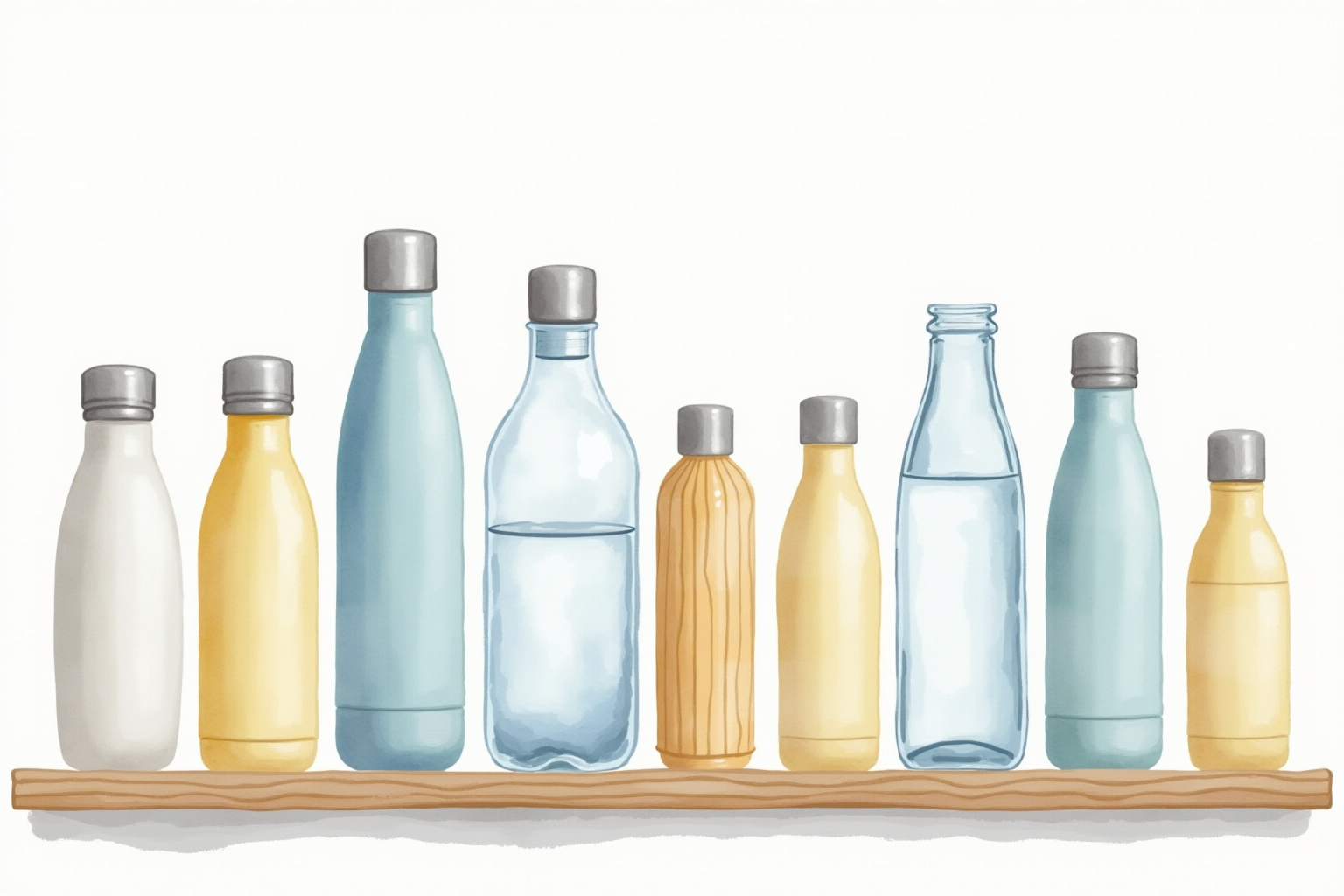
Switching from single-use plastic bottles to a reusable water bottle is one of the highest-impact sustainable swaps a household can make. Per Earth Policy Institute data, the average American uses 167 single-use plastic water bottles per year — most ending in landfills despite recycling availability. The reusable category has matured: stainless steel insulated, tempered glass with silicone sleeves, BPA-free Tritan plastic, and infuser variants each have specific strengths.
This article uses NSF International material standards, FDA food-contact guidance, Consumer Reports testing data, and Wirecutter long-term reviews to compare the four major reusable categories and identify which makes sense for daily use, sports, kids, and hot beverages.
For complementary content, see silicone food storage tested and cloth vs paper towel data.
What the data says about materials
Per FDA food-contact substance regulations, four materials are widely approved for water bottles: 18/8 stainless steel (inert, no chemical leaching, food-grade), tempered glass (fully inert, dishwasher safe, breakable), BPA-free plastic (Tritan, polypropylene, FDA-approved, lightweight), and aluminum with epoxy lining (lightweight but lining can degrade with citrus or hot liquids).
NSF certification (NSF/ANSI 51 for food-zone materials) provides additional verification beyond FDA minimums. Look for NSF marks on bottles intended for hot liquids or daily use.
Microplastic considerations
Stanford research and recent peer-reviewed studies (2023-2024) document microplastic shedding from plastic water bottles, particularly when exposed to UV light, heat, or mechanical abrasion. The health implications remain under study, but most major health authorities (WHO, FDA) suggest minimizing plastic-water contact when alternatives are available. Stainless steel and glass effectively eliminate this exposure.
Stainless steel insulated bottles
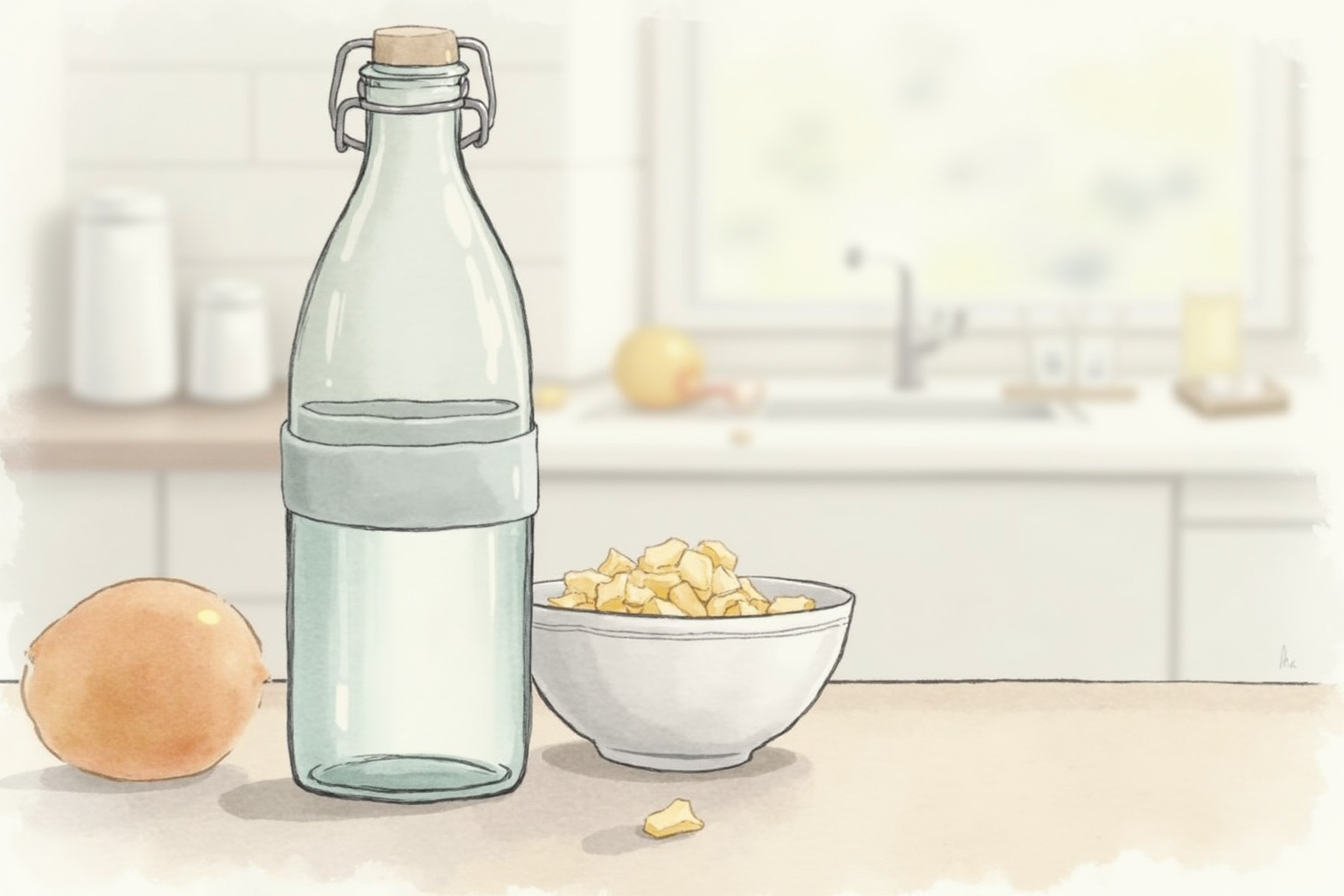
The category leader for most use cases. Vacuum double-wall stainless steel bottles dominate Consumer Reports and Wirecutter recommendations for daily use. Per Wirecutter testing, quality vacuum-insulated bottles maintain temperature 24-48 hours for cold drinks and 6-12 hours for hot drinks. The double-wall construction means no condensation on the outside (no sweating in cars or bags), which matters more than most users realize. Single-wall bottles fail this test immediately.
Hydro Flask Standard Mouth — 21oz
Price · $30-40
+ Pros
- · Vacuum double-wall — 24h cold / 12h hot
- · Pro-grade 18/8 stainless steel
- · Wide color range — 20+ options
- · Lifetime warranty on body
− Cons
- · Premium pricing vs generics
- · Standard cap leaks if dropped lid-down
Paid affiliate link. Price, availability, and ratings can change; verify details on the retailer page before buying.
For commute use, gym, hiking, and any hot-beverage application, insulated is the right choice. Mid-tier brands (Hydro Flask, Klean Kanteen, YETI, S’well) all perform similarly in testing — the price differences reflect brand and color options more than performance.
Size selection
16-18oz is easy to carry and fits most car cup holders, requiring about 2 daily refills for typical hydration. 20-24oz is the most popular size, offering balance of capacity and portability. 32-40oz suits gym and hiking with fewer refills but may not fit cup holders. 64oz growlers help hydration tracking but are too large for most daily use.
Glass bottles

Best taste neutrality. Glass is fully inert — no flavor transfer, no chemical leaching, dishwasher safe. The downsides are weight and breakability. Glass is ideal for desk use, home, and office where the bottle doesn’t move much. The taste is genuinely better than any other material — water tastes clean and cold drinks like juice or tea retain their flavor without metallic notes that some stainless bottles impart.
Lifefactory Glass Bottle with Silicone Sleeve — 22oz
Price · $25-30
+ Pros
- · Borosilicate glass — temperature shock resistant
- · Silicone sleeve for grip and drop protection
- · BPA-free polypropylene cap
- · Dishwasher safe (top rack)
− Cons
- · Heavier than stainless or plastic
- · Limited insulation — sweats with cold
Paid affiliate link. Price, availability, and ratings can change; verify details on the retailer page before buying.
For workout, hiking, or kids, the breakability is real risk. Silicone-sleeved options (Lifefactory, Bkr) reduce but don’t eliminate this.
BPA-free plastic and Tritan
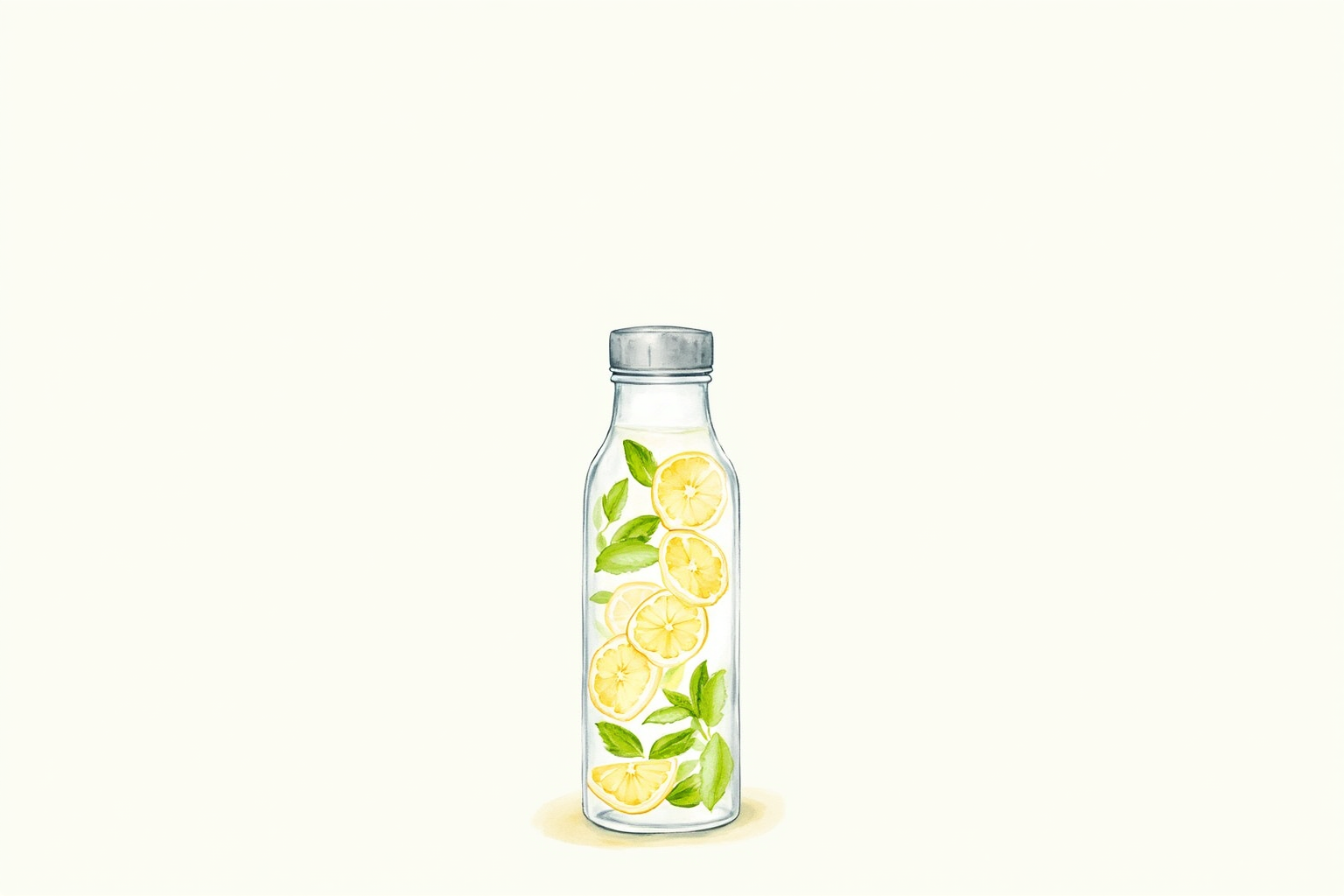
Lightweight and cheap. Tritan copolyester (Eastman) is the dominant BPA-free plastic for water bottles. It’s FDA-approved, dishwasher safe, and significantly lighter than stainless or glass.
Nalgene Wide Mouth Tritan — 32oz
Price · $10-15
+ Pros
- · Featherweight — ~6oz empty
- · Dishwasher safe (top rack)
- · Indestructible — rated for 8ft drops
- · Wide mouth fits ice cubes and easy cleaning
− Cons
- · No insulation
- · Plastic taste with hot liquids
- · Microplastic concerns with abrasion
Paid affiliate link. Price, availability, and ratings can change; verify details on the retailer page before buying.
Plastic is the right choice for situations where weight matters (long hikes, kids), where breakage is a real concern, or where the bottle will see rough use. For daily commute, the marginal advantages of plastic are smaller than they appear — stainless is only 6-8oz heavier and lasts longer.
Infuser bottles
A niche but useful category. Infuser bottles include a removable mesh or pierced chamber for fruits, cucumber slices, mint, or tea. Per Consumer Reports surveys, they meaningfully increase water intake for users who find plain water unappealing.
Strengths include encouragement of higher hydration through flavor, no added sugar (vs flavored sports drinks), and compatibility with any water source. Weaknesses include more parts to clean (infuser, gasket, lid), weak flavor (herbs and fruit infuse subtly), and citrus oils degrading plastic infusers over time.
Best practice: use a glass or stainless infuser bottle, not plastic. Pre-slice fruit thinly for better extraction. Refill water 2-3 times per fruit batch — flavor fades after first refill.
Cleaning protocols
Per NSF and Consumer Reports guidance, daily cleaning is essential. Biofilm and bacterial growth happen rapidly in any water bottle, especially with sugary or pulpy drinks. Daily cleaning means rinse with hot water and dish soap, use bottle brush for interior surfaces, disassemble lid/gasket/straw separately, and air dry fully before recapping.
Weekly deep clean involves soaking in baking soda plus warm water (1 tbsp per cup) for 30 min, vinegar rinse for mineral deposits (especially insulated bottles), dishwasher cycle (if manufacturer permits) on top rack, and replacement of silicone gaskets every 6-12 months. For insulated bottles, never put in dishwasher unless explicitly rated — the heat can break vacuum seal and ruin insulation.
Total cost vs single-use
The math overwhelmingly favors reusable. Per Earth Policy Institute and Beverage Marketing Corporation data, a single-use bottle (16oz, ~$1.50 retail) costs about $300/year if you drink one daily. A reusable bottle ($30-40 upfront, near-zero ongoing cost) costs $30-40 for 3-5 years. 5-year savings: about $1,460. 5-year plastic waste avoided: about 1,825 bottles.
For a household of 4, multiply by 4. The reusable transition pays back in weeks if it actually displaces bottled water consumption (the main caveat — bottle in cabinet doesn’t help if you keep buying single-use).
Recommendation matrix
For daily commute or office, choose stainless insulated 18-21oz. For home or desk use, glass with silicone sleeve at 22-24oz works best. For gym or hot yoga, stainless insulated 32oz wide-mouth fits the demand. For hiking or outdoor, Tritan plastic 32oz or stainless 32oz are appropriate. For kids, Tritan or stainless with locking lid at 12-16oz. For hot tea or coffee on-go, stainless insulated 12-16oz with leak-proof lid.
For most households, owning 2-3 bottles for different uses works better than one universal bottle. A daily commute insulated stainless plus a desk glass covers most use cases.
Common failure modes
Per Consumer Reports long-term tests, lid gasket drying or cracking happens 6-12 months for poor quality and 2-3 years for premium (replace gaskets, not bottle). Insulation loss from vacuum seal break (drop damage) leaves the bottle still functional but no longer insulated. Dishwasher damage from heating can warp plastic, break insulated seals, or fade finishes. Lost lids are common with sport-cap and chug-lid styles — buy lid replacements before retiring bottle.
Quality bottles from Hydro Flask, Klean Kanteen, YETI, S’well, and Nalgene typically last 5-10 years with proper care. Cheap unbranded bottles often fail at 1-2 years.
Bottom line
For most users, a high-quality 18-21oz stainless steel insulated bottle (Hydro Flask, Klean Kanteen, or equivalent) is the right primary purchase. The $30-40 premium over generic options pays for itself in durability and performance. Add a glass bottle for desk/home use if taste matters. Use Tritan or BPA-free plastic only when weight or breakage are dominant concerns.
The environmental and financial cases for reusable are overwhelming — both well above 100x improvement over single-use plastic. The hardest part is consistent use, not selection.
For complementary reading, see silicone food storage tested, cloth vs paper towel data, and the reusable living category.