Cloth vs Paper Towels — Real Cost, Water, and CO2 Data (EPA and NRDC Sources)
Cloth dishtowels vs paper towels: EPA water-use data, NRDC sustainability analysis, and the actual break-even point for switching to reusable cleaning textiles.
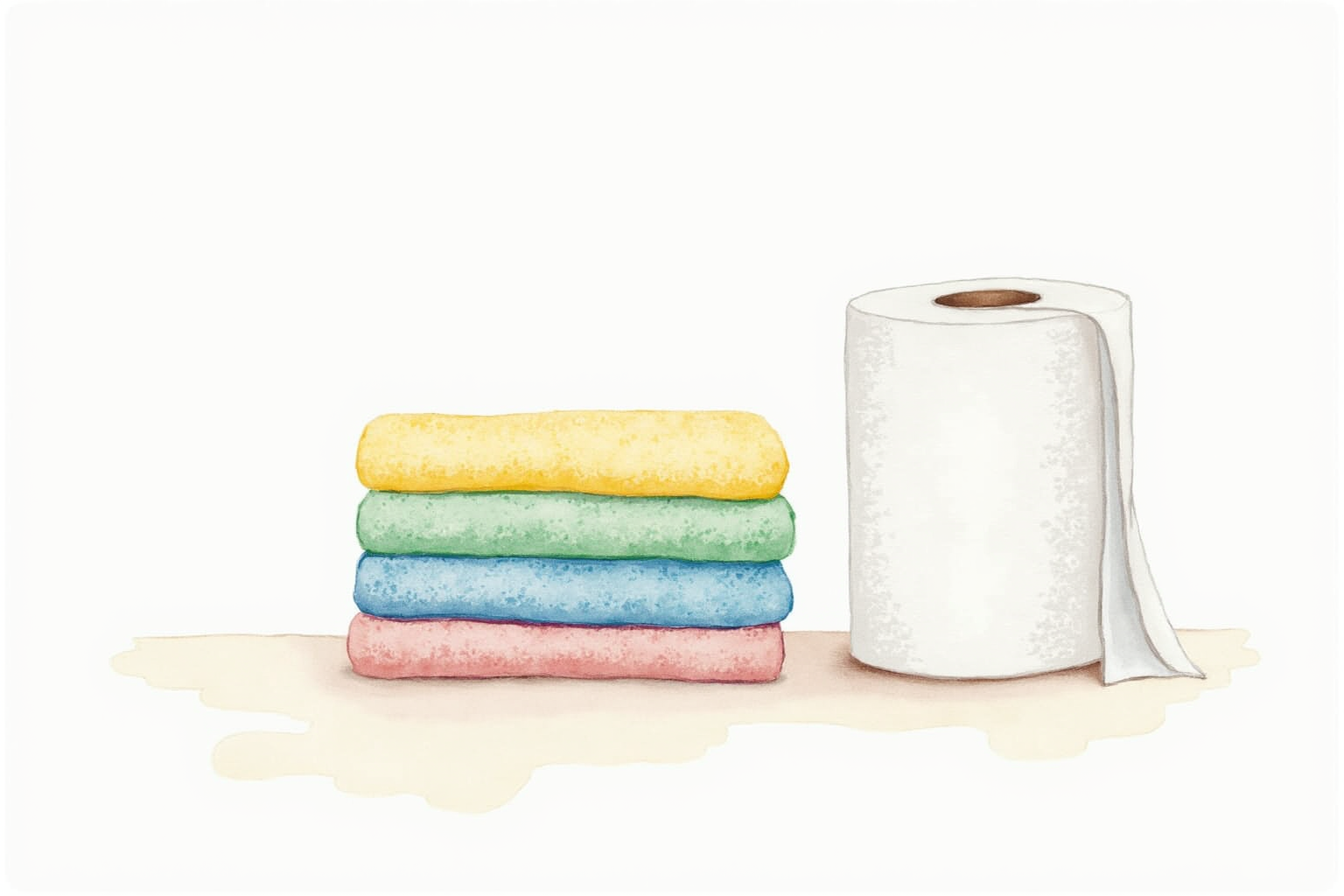
The average American household goes through about 80 rolls of paper towels per year. Per NRDC and FAO data, paper towel production consumes 17 trees and 20,000 gallons of water per ton produced — and the towels themselves cannot be recycled because they’re typically contaminated with food, grease, or cleaning chemicals. Switching some or all of that consumption to washable cloth alternatives is one of the higher-impact household sustainability swaps available.
This article uses EPA sustainable materials data, NRDC forest industry analysis, Consumer Reports cleaning tests, and Wirecutter microfiber long-term reviews to compare cloth dishtowels, microfiber cleaning cloths, Swedish dishcloths, and bamboo “paper towels” against conventional paper towels. The math, the cleaning effectiveness, and the practical workflow for transitioning are covered.
For complementary content, see reusable water bottles compared and silicone food storage tested.
The data on paper towel impact
Per FAO Forest Products Yearbook and EPA SMM data, paper towel production has significant resource costs that most consumers underestimate. Each ton of paper towels requires approximately 17 trees harvested (mature softwood for pulp), 20,000 gallons of water for processing, and 168 kWh of electricity for manufacturing and bleaching. The trees themselves represent 30-50 years of growth being converted into single-use product.
The recycling problem is harder than most consumers realize. Per EPA data, less than 1% of paper towels are recycled because food, grease, or cleaning chemical contamination disqualifies them from paper recycling streams. The vast majority go to landfill or municipal compost (if available). Some “recycled content” paper towels exist (Seventh Generation, Marcal) but the recycling is upstream into the manufacturing pulp, not post-consumer recovery of used paper towels.
Annual household impact
For a U.S. household averaging 80 rolls per year (about 24,000 sheets), the resource footprint is roughly equivalent to harvesting 0.04 trees, using 800 gallons of water, and 7 kWh of energy. Multiply by 130 million U.S. households: ~5 million trees, 100 billion gallons of water, 1 trillion kWh annually for paper towels alone.
Cotton dishtowels
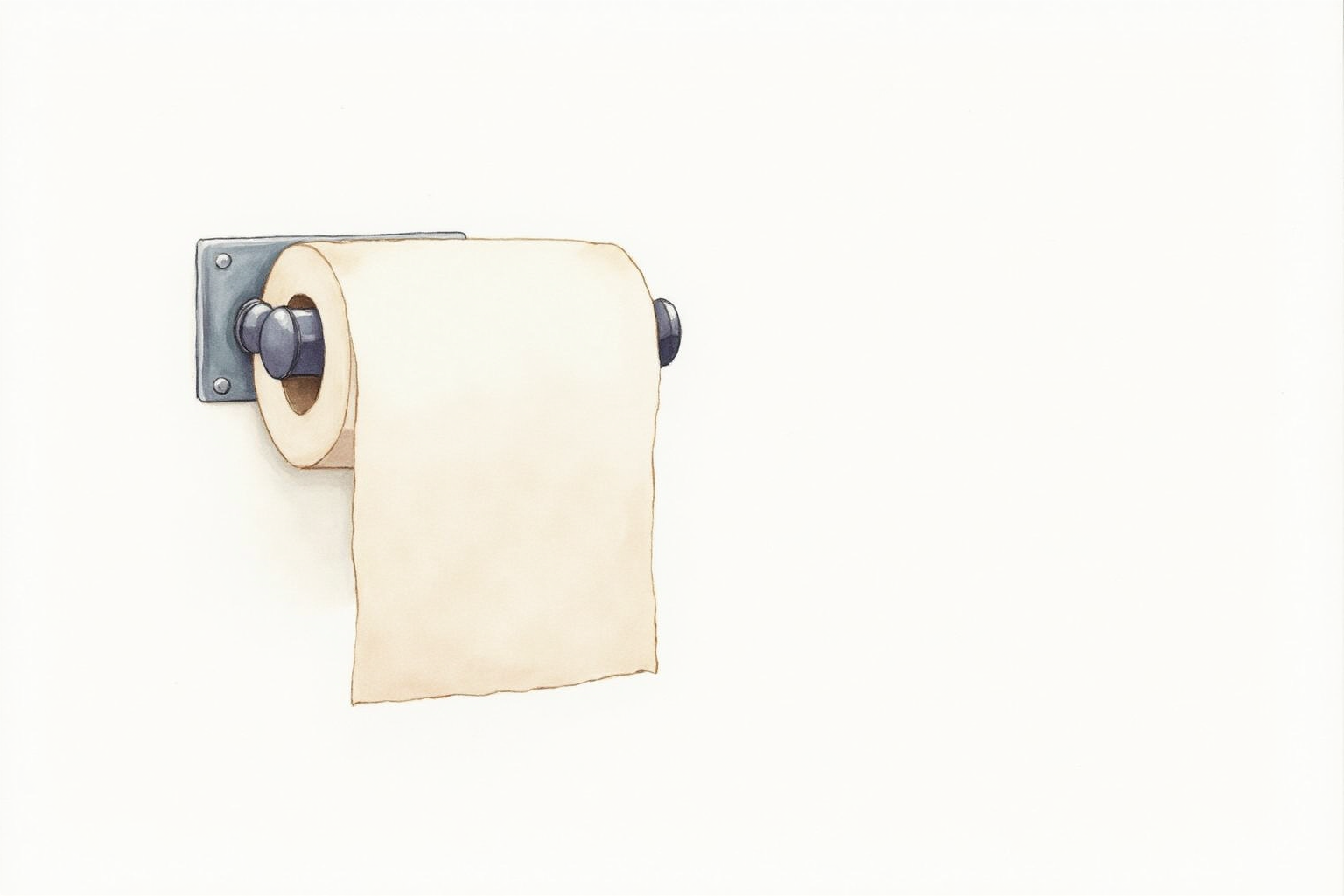
The traditional reusable. Cotton dishtowels (bar mop, terry, flat-weave) have been kitchen workhorses for decades. They handle wet messes, dry dishes, line drawers, wipe counters, and absorb spills. Per Wirecutter testing, quality cotton bar mop towels can last 5-10 years with regular hot-water washes and occasional bleaching.
Utopia Towels Cotton Bar Mops — 12 Pack
Price · $15-20
+ Pros
- · 100% cotton — bleach safe
- · Absorbent ribbed weave
- · Hot wash up to 200°F
- · Multi-pack for kitchen rotation
− Cons
- · Lower bacteria pickup vs microfiber
- · Heavier than synthetic alternatives
Paid affiliate link. Price, availability, and ratings can change; verify details on the retailer page before buying.
The strengths of cotton are durability, safe high-heat washing, bleach tolerance, and natural fiber (no microplastic shedding). The weaknesses are slower drying time, lower bacterial pickup vs microfiber, and stain retention. For kitchens, having 10-15 cotton bar mops in rotation means you always have clean ones available and can wash full loads every 2-3 days.
Use cases
Cotton bar mops excel at wet spills (absorbent), hot pots and pans (heat tolerant), dish drying, oily messes that need bleaching, raw meat cleanup, and any application where strong washing is needed. They’re less ideal for streak-free glass or stainless steel surfaces — microfiber wins there.
Microfiber cleaning cloths
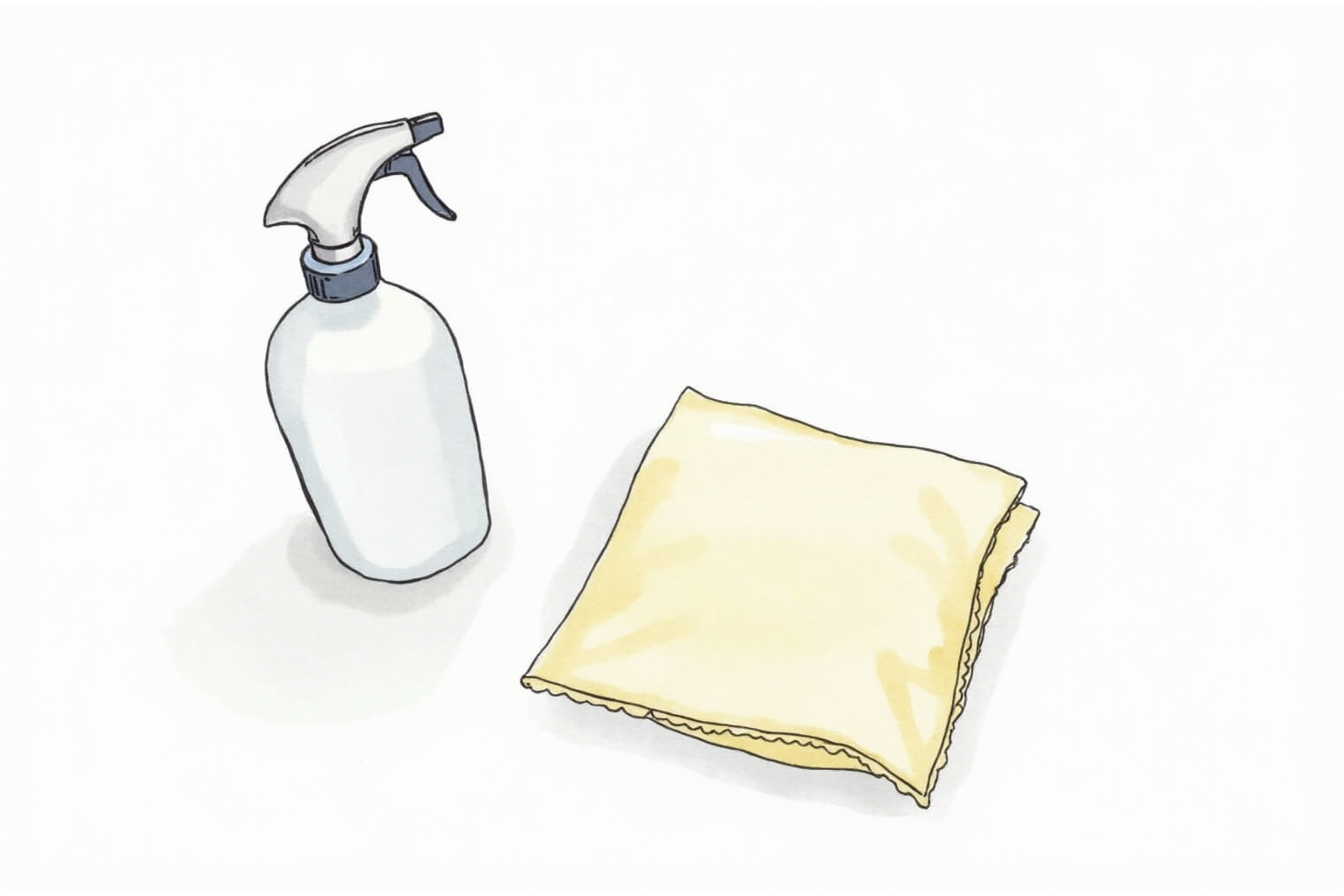
The cleaning specialist. Microfiber (polyester-polyamide blend, ~80/20) has tiny fiber diameters that create electrostatic attraction for dust, grease, and bacteria. Per multiple peer-reviewed studies, microfiber removes 99%+ of bacteria from surfaces with water alone — no chemicals required.
MR.SIGA Microfiber Cleaning Cloth — 12 Pack
Price · $12-18
+ Pros
- · Ultra-fine fibers — 0.2 denier
- · Streak-free on glass and stainless
- · Color-coded for room rotation
- · Washable 300+ times
− Cons
- · Microplastic shedding during wash
- · Not heat-tolerant — air dry only
- · Bleach destroys microfiber structure
Paid affiliate link. Price, availability, and ratings can change; verify details on the retailer page before buying.
Microfiber’s downside is microplastic shedding during washing — every wash releases small synthetic fibers into wastewater. Per Stanford and Marine Conservation Society research, this contributes to ocean microplastic pollution. Mitigation: use a Cora Ball or Guppyfriend bag in your washing machine to capture 80-90% of shed fibers. Microfiber cloths also cannot be bleached or washed in very hot water — heat destroys the fiber structure.
Color-coded system
A common professional cleaning approach: color-code microfiber cloths by use. For example, yellow for kitchen counters, blue for bathrooms, green for glass, red for floors. Prevents cross-contamination and extends individual cloth life since each one only sees a narrow use case.
Swedish dishcloths and cellulose
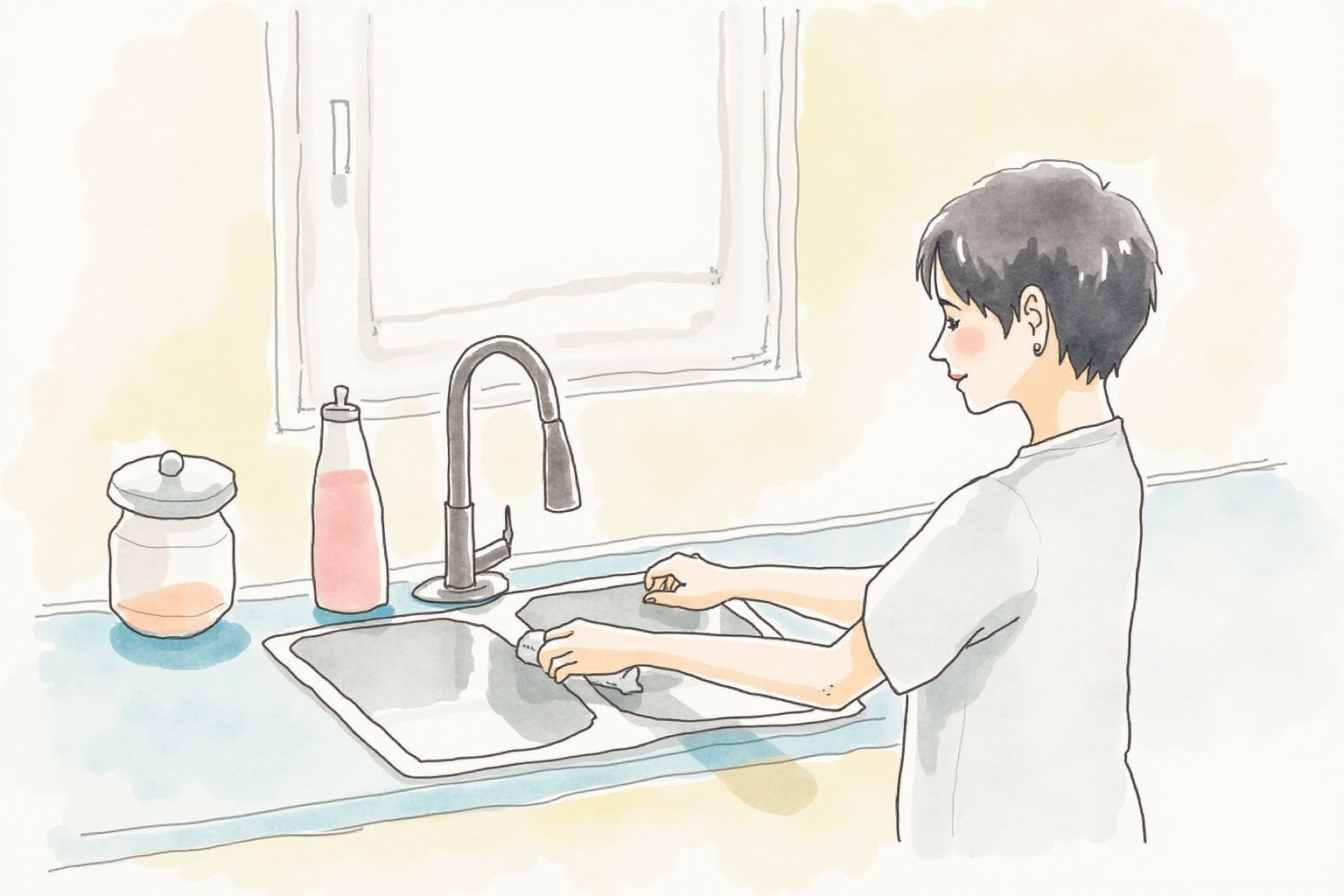
The hybrid. Swedish dishcloths (cellulose-cotton, ~70/30) absorb like a paper towel, wash 50-100 times, and biodegrade fully at end of life. Brands include Skoy, Three Bluebirds, and Wettex.
Skoy Cloth — 4 Pack
Price · $8-12
+ Pros
- · 100% biodegradable — compostable
- · Absorbs 15x weight in liquid
- · Washable in dishwasher / washing machine
- · Made from cellulose + cotton
− Cons
- · Becomes stiff when dry
- · Single use period: 60-90 days
- · Cellulose breakdown limits washes
Paid affiliate link. Price, availability, and ratings can change; verify details on the retailer page before buying.
Swedish dishcloths shine as paper-towel replacement for everyday wet-wipes — they absorb large amounts of liquid like paper, but rinse out and dry rather than going to trash. Per manufacturer testing, one Skoy cloth replaces approximately 15 rolls of paper towels over its 60-90 day useful life.
The weakness is that they harden when dry (need to rewet for use), and the cellulose eventually breaks down. They’re not appropriate for tough scrubbing or rough surfaces. Best for counters, dish drying, fruit-and-vegetable washing, and light cleaning.
Bamboo “paper towels”
The recent entrant. Brands like Bambooee, Caboo, and others sell rolls of perforated bamboo cloth that look like paper towels but wash 50-100 times. Per manufacturer specs, one roll (20 sheets) replaces an estimated 6 conventional paper towel rolls.
Strengths include familiar form factor (easy to mount on standard paper towel holders), good absorbency, machine washable, and fully compostable at end of life. Weaknesses include higher upfront cost ($15-25 per roll vs $2-5 for paper towels), feels slightly stiffer than cotton, and durability varies significantly between brands.
For households transitioning from paper towels, bamboo paper towels are a low-friction starter — same workflow as paper towels, just toss in wash instead of trash.
The total cost comparison
Per Consumer Reports analysis and household data, the 5-year cost comparison is striking. Paper towels at 80 rolls per year × $4/roll average × 5 years totals $1,600. A cotton-microfiber-Swedish setup with 12 bar mops ($20), 12 microfiber ($15), 8 Swedish ($15) plus replacement every 3 years ($50 total) costs $100 across 5 years.
5-year savings: $1,500. Beyond cost, this displaces approximately 24,000 sheets of paper towels.
Workflow for transition
Successful transitions don’t replace 100% of paper towels — they cut 80-90% while keeping a small backup roll for genuinely awful messes (pet accidents, raw chicken cleanup, paint spills). The goal is reduction, not absolutism.
For kitchen messes, use Swedish dishcloths or microfiber for daily wipes, cotton bar mops for dish drying, bleach-safe cotton rags for tough cleanup. For bathroom cleaning, color-coded microfiber works well — never reuse for food surfaces. For windows and glass, dedicated microfiber glass cloths leave fewer streaks than any paper towel.
Storage matters for adoption. Keep clean cloths visible and easy to grab (open basket on counter, hanging rod near sink) — if cloths are buried in a drawer, paper towels win by default. A dedicated “used cloth” bin (lidded laundry hamper) near the sink keeps wet cloths controlled.
Common pitfalls
Per user reports, the most common transition pitfalls are running out of clean cloths (solution: have 10+ rotation), bacterial smell from leaving wet cloths to dry slowly (solution: wash within 24-48 hours, hang to dry between uses), and microfiber on hot pans (solution: cotton only for heat applications), staining from coffee, wine, or food coloring (solution: pre-treat or bleach cotton; replace stained microfiber as it can’t be bleached).
Bottom line
A practical reusable cleaning setup combines 10-15 cotton bar mops for general kitchen and dish use, 8-12 microfiber cloths for surfaces and electronics, 4-6 Swedish dishcloths for paper-towel-like wet wipes, and 1 backup paper towel roll for genuinely problematic messes. Total upfront cost: $40-60. Annual savings vs paper towels: $300-400. Lifetime savings over 5 years: ~$1,500.
Beyond cost, the carbon and water savings are meaningful — 24,000 fewer paper towel sheets is approximately 0.2 trees, 100 gallons of water, and 1 kWh per year saved per household. The environmental case requires honest accounting (cloth washing has water and energy costs too), but the cloth side wins by 5-10x in lifecycle analysis.
For complementary reading, see reusable water bottles compared, silicone food storage tested, and the reusable living category.