Drought-Tolerant Plants — USDA Hardiness Data and Real Water Savings
Drought-tolerant landscaping: USDA hardiness zone data, native plant selections, xeriscape design, and the actual water savings vs traditional lawn.
Drought-tolerant landscaping has moved from regional necessity in the arid Southwest to mainstream sustainable practice nationwide. Per EPA WaterSense data, outdoor water use accounts for 30% of average U.S. household water consumption — and up to 60% in dry regions. Replacing traditional turf grass and high-water plants with drought-tolerant species delivers significant water savings while supporting pollinators and reducing maintenance burden.
This article uses USDA Plant Hardiness Zone data, EPA WaterSense landscaping standards, Lady Bird Johnson Wildflower Center plant database, and Sunset Magazine design guidance to identify drought-tolerant landscaping approaches that work in different climates. Topics include native plant selection, xeriscape design principles, lawn alternatives, and realistic establishment timelines.
For complementary content, see composting bin guide small space and rainwater collection setup.
Why drought-tolerant matters
Per USGS Water Use Statistics, residential landscape irrigation accounts for approximately 9 billion gallons per day in the U.S. — more than is used by all commercial and industrial sectors combined. Most of this goes to turf grass and ornamental plants that aren’t adapted to local rainfall patterns.
Converting even a portion of household landscape to drought-tolerant species delivers compounding benefits. Direct water savings of 20,000-50,000 gallons annually for a typical lawn conversion. Reduced fertilizer and pesticide need — drought-tolerant plants are typically lower-input. Less mowing fuel, reduced equipment maintenance, less yard waste hauling. Better pollinator support — native flowering plants feed bees, butterflies, hummingbirds, and beneficial insects.
USDA Plant Hardiness Zones
Per USDA Plant Hardiness Zone Map, the U.S. is divided into zones based on average annual minimum temperature. Drought-tolerant plant selection must match your zone — a plant that thrives in zone 9 (Phoenix, mild winter) won’t survive zone 4 (Minnesota, cold winter). Most plant tags and online catalogs list zones. Check your local zone at planthardiness.ars.usda.gov.
Lawn alternatives
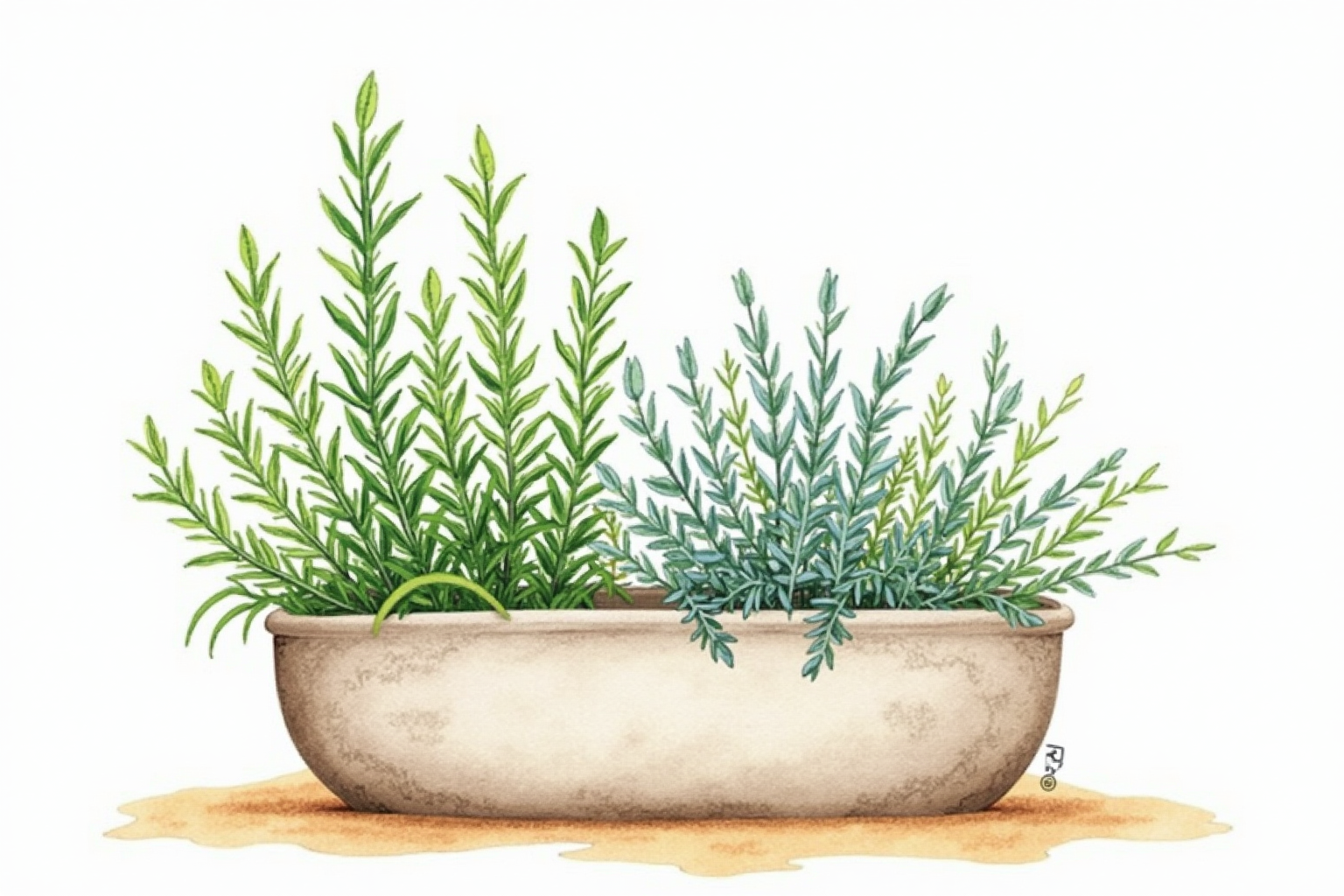
The single largest opportunity. Traditional turf grass requires 1-2 inches of water per week — about 36,000 gallons per year for a 1,000 sq ft lawn in a moderate climate. Several alternatives reduce or eliminate this:
Native grass species — buffalo grass (zones 4-8), blue grama, fescue. Need 1/10 the water of bluegrass or fescue lawn.
Clover lawn — Dutch white clover. Fixes nitrogen, attracts pollinators, stays green with minimal water. Mowing optional.
Ground cover plantings — creeping thyme, woolly thyme, sedum mat. Walkable, flowering, no mowing.
Decomposed granite or gravel paths with planting pockets — common in xeriscape design.
Artificial turf — last resort, has environmental tradeoffs (no pollinator support, heat island effect, microplastic shedding, eventual replacement waste).
Outsidepride Buffalo Grass Seed — 1 Pound
Price · $45-60
+ Pros
- · Native to Great Plains — minimal water once established
- · Soft texture suitable for walking
- · USDA Zone 4-8 hardiness
- · Slow growth — less mowing
− Cons
- · Slow establishment (full coverage in 2 years)
- · Not suitable for shade
- · Brown winter dormancy (vs evergreen alternatives)
Paid affiliate link. Price, availability, and ratings can change; verify details on the retailer page before buying.
For large lawn conversions, native grass seed is much cheaper than nursery starts ($45-60/lb covers about 1,000 sq ft).
Drought-tolerant flowering plants
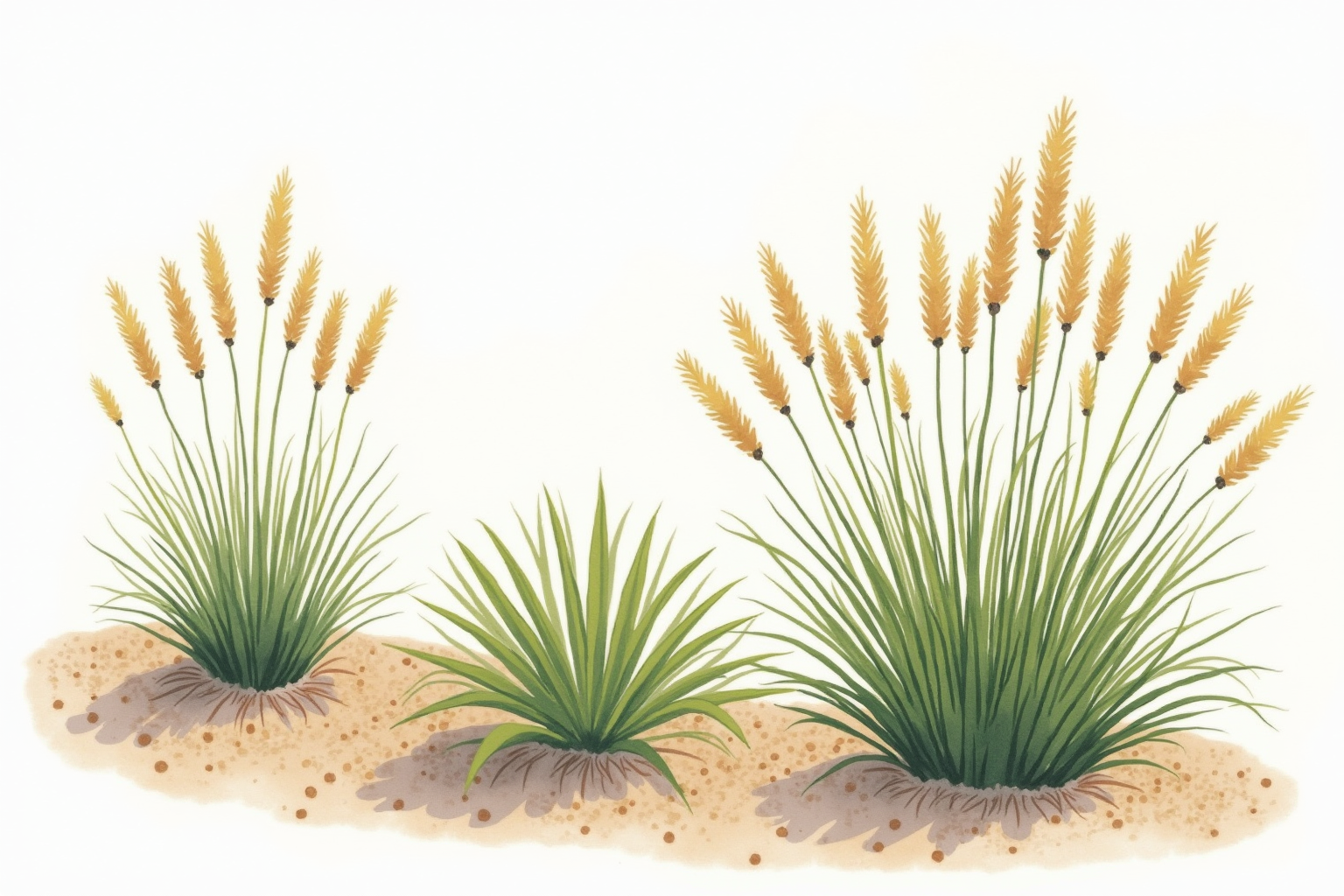
A robust selection works across most U.S. climates:
Lavender (zones 5-9) — Mediterranean herb, gray-green foliage, purple flowers, attracts bees and butterflies. Drought-tolerant once established.
Russian sage (zones 4-9) — tall airy lavender-blue spikes, gray-green foliage, deer-resistant, blooms summer to frost.
Salvia (zones 4-10, species vary) — many varieties for different climates. Reliable pollinator plant.
Penstemon (zones 3-10) — native to western U.S., tubular flowers in many colors, hummingbird magnet.
Coneflower / Echinacea (zones 3-9) — native to eastern/central U.S., daisy-like flowers, very tough.
Yarrow (zones 3-9) — flat flower clusters, ferny foliage, deer-resistant, blooms long.
Drought-Tolerant Perennial Mix — 8 Plants
Price · $80-110
+ Pros
- · Established nursery starts (vs slow seed)
- · 8 varieties for visual diversity
- · Pollinator-friendly mix
- · Pre-selected for your climate zone
− Cons
- · Higher upfront cost than seeds
- · Limited variety control vs custom selection
Paid affiliate link. Price, availability, and ratings can change; verify details on the retailer page before buying.
Drought-tolerant herbs
Many culinary herbs originated in Mediterranean and arid climates — they’re inherently drought-tolerant:
Rosemary (zones 6-10), thyme (zones 4-9), sage (zones 4-8), oregano (zones 4-10), Mediterranean lavender (zones 5-9). All require well-drained soil and full sun, tolerate poor soil, and require minimal water once established.
A small herb garden (4x4 ft) needs maybe 1-2 gallons per week in summer once established — vs 30-40 gallons for an equivalent lawn area.
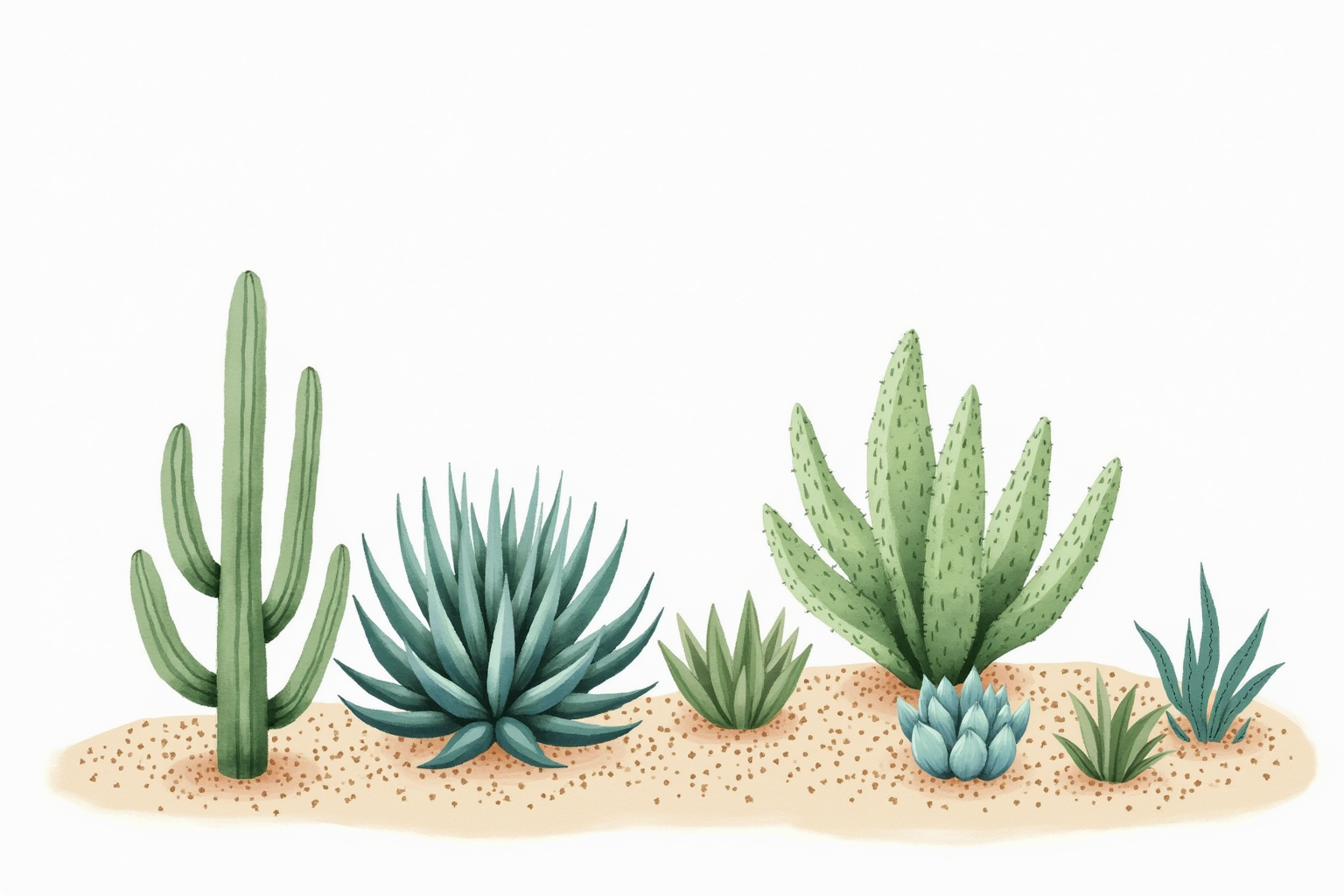
Succulents and structural plants
For dramatic xeriscape design:
Agave (zones vary, 7-11 typical) — bold rosette shapes, decades-long life, virtually no water once established.
Yucca (zones 4-10, species vary) — sword-like leaves, dramatic flower spikes, very tough.
Sedum (zones 3-10) — wide variety from ground cover to upright, includes “stonecrop” varieties.
Echeveria and Sempervivum (zones vary) — rosette succulents, container-friendly, very ornamental.
Succulent Plants Variety Pack — 12 Plants — 2 inch pots
Price · $30-40
+ Pros
- · 12 varieties for diverse plantings
- · Established 2-inch starter pots
- · Indoor or outdoor use
- · Drought-tolerant — minimal care
− Cons
- · Some varieties require frost protection
- · Smaller sizes need year to mature
Paid affiliate link. Price, availability, and ratings can change; verify details on the retailer page before buying.
Xeriscape design principles
Per Colorado WaterWise and EPA WaterSense guidance, effective xeriscape combines plant selection with design choices:
Hydrozoning — group plants by water need. Don’t mix high-water plants (vegetable garden, tomatoes) with drought-tolerant beds. Set irrigation by zone.
Mulching — 3-4 inches of organic or inorganic mulch reduces evaporation 50-70%, suppresses weeds, moderates soil temperature. Wood chips, bark, decomposed granite all work.
Soil amendment — drought-tolerant doesn’t mean any-soil. Most prefer well-drained soil. Heavy clay needs sand and compost amendment.
Drip irrigation — for any supplemental watering, drip systems deliver water to roots with 90% efficiency vs sprinklers at 60-70%.
Rain harvesting — capture roof runoff for supplemental dry-period watering. See rainwater collection setup.
Establishment workflow
Per California Native Plant Society and Colorado WaterWise guidance, drought-tolerant landscapes need establishment care to develop deep roots:
Year 1: Water 1-2 times per week, deeply (encourages deep root growth). Mulch thoroughly. Watch for failed transplants — replace promptly.
Year 2: Water every 2-3 weeks in growing season, deeply. Most plants begin self-sustaining.
Year 3 onward: Minimal supplemental watering — typically only in extreme drought. Most established drought-tolerant plants need 0-2 waterings per month in summer, none in cool seasons.
Bottom line
For most U.S. households, converting at least the front yard (highest visibility, often inappropriate for kids’ play) to drought-tolerant landscaping is a high-ROI sustainability upgrade. The $300-1,500 conversion cost pays back in 3-5 years through reduced water bills, and the time savings (less mowing, less weeding) compound annually.
Start with native plants from local plant society or extension recommendations. Mulch heavily. Install drip irrigation. Expect 1-2 seasons of establishment care. After year 3, you’ll have a lower-water, lower-maintenance, higher-pollinator landscape than the previous lawn.
For complementary reading, see composting bin guide small space, rainwater collection setup, and the garden category.