Eco-Friendly Pest Control — IPM Data, Companion Planting, and Safe Alternatives
Integrated pest management (IPM) for home gardens: beneficial insects, companion planting, neem oil, diatomaceous earth, and avoiding broad-spectrum pesticides.
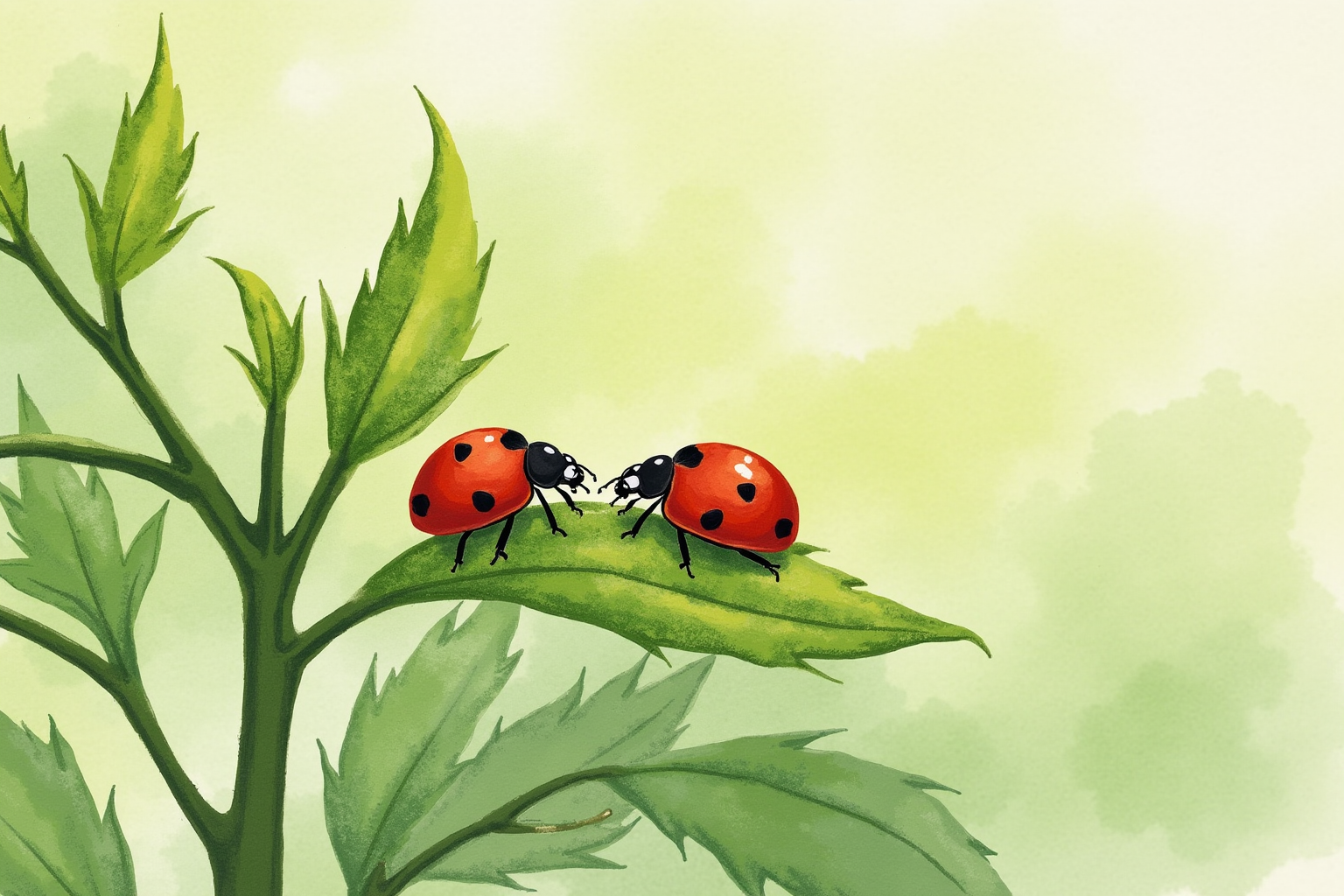
The conventional approach to garden pests — broad-spectrum chemical pesticides — has significant problems beyond cost. Per EPA Integrated Pest Management research, broad-spectrum pesticides kill beneficial insects alongside pests, often making subsequent pest outbreaks worse. They contribute to pollinator decline (per Xerces Society documentation), runoff contaminates waterways, and many pose health risks during application. Modern integrated pest management (IPM) offers a science-based alternative that delivers pest control with much lower environmental and health impact.
This article uses EPA IPM standards, UC Statewide IPM Program research, Cornell Insect Diagnostic Lab guidance, and Xerces Society pollinator conservation data to evaluate eco-friendly pest control methods. Topics include beneficial insect introduction, companion planting, neem oil and other targeted bio-pesticides, diatomaceous earth, and the IPM decision-making framework.
For complementary content, see composting bin guide small space and drought-tolerant plants data.
The IPM framework
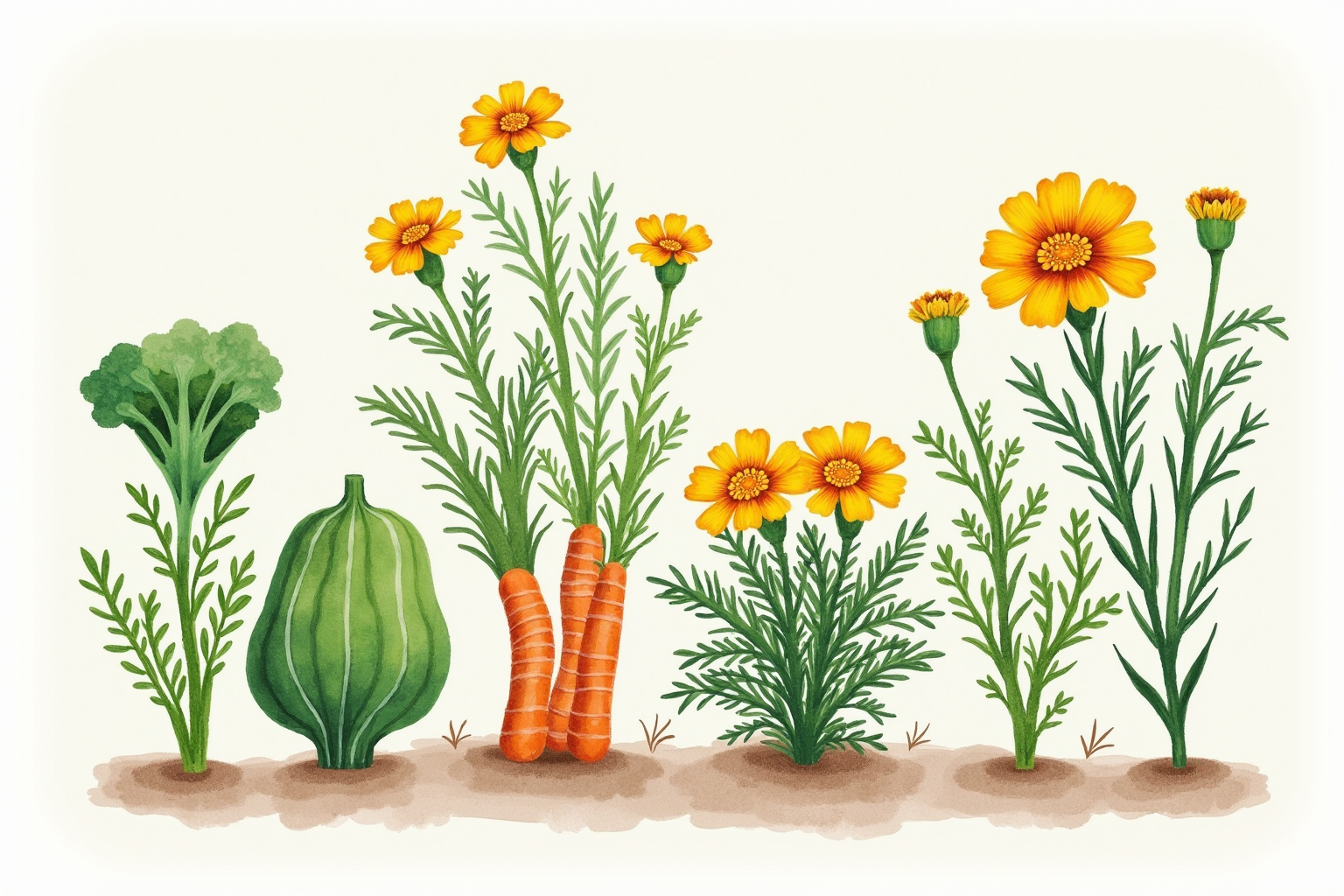
Per EPA Integrated Pest Management guidance, IPM uses a tiered approach starting with prevention and escalating only as needed:
Tier 1 — Prevention: Healthy soil with adequate organic matter, diverse plantings (avoid monoculture), pest-resistant varieties, proper plant spacing for airflow, sanitation (remove diseased plant material).
Tier 2 — Monitoring: Regular garden inspection (weekly during growing season), correct pest identification (many garden visitors are beneficial), action thresholds (small pest populations are normal — don’t react to every aphid).
Tier 3 — Biological controls: Beneficial insects, companion planting, encouraging birds and predators, microbial controls.
Tier 4 — Physical controls: Row covers, hand removal, water spray, traps, barriers.
Tier 5 — Targeted bio-pesticides: Neem oil, BT, insecticidal soap, diatomaceous earth — applied only when needed, with precision.
Tier 6 — Synthetic pesticides: Last resort. Spot application only, never broadcast. Most home garden situations resolve at tier 1-3.
Beneficial insects
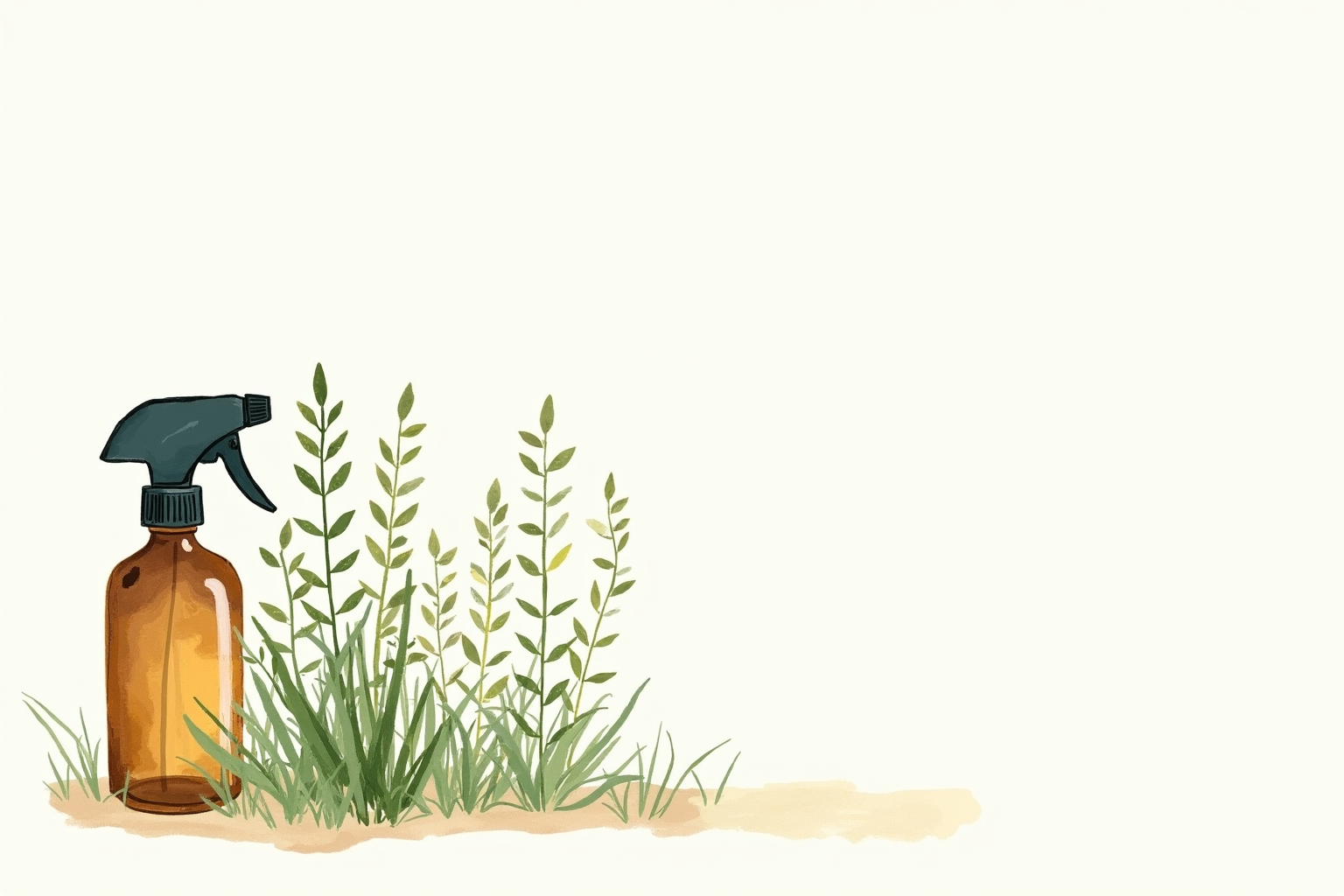
The biological control backbone. Three categories of beneficial insects:
Predators consume pests directly. Ladybugs eat aphids, lacewings eat aphids/mites/mealybugs, praying mantis eat various insects (including beneficial ones — overrated).
Parasitoids lay eggs inside pests. Trichogramma wasps parasitize caterpillar eggs, braconid wasps parasitize aphids and caterpillars. Very small (often invisible to casual observation) but extremely effective.
Pollinators and decomposers support garden ecosystem indirectly. Bees, butterflies, hoverflies, beetles, earthworms.
Live Ladybugs for Garden — 1,500 Count
Price · $15-25
+ Pros
- · Native species safe for garden
- · 1,500 ladybugs covers 500-1,000 sq ft
- · Effective for aphid and mite control
- · Reusable shipping container
− Cons
- · Need release at dusk after garden watering
- · Some will fly away without staying flowers
- · Annual release usually needed
Paid affiliate link. Price, availability, and ratings can change; verify details on the retailer page before buying.
Release tips: water the garden thoroughly first (creates the humidity ladybugs need). Release at dusk to discourage immediate dispersal. Provide flowering plants nearby (alyssum, yarrow, fennel attract and keep ladybugs).
Companion planting
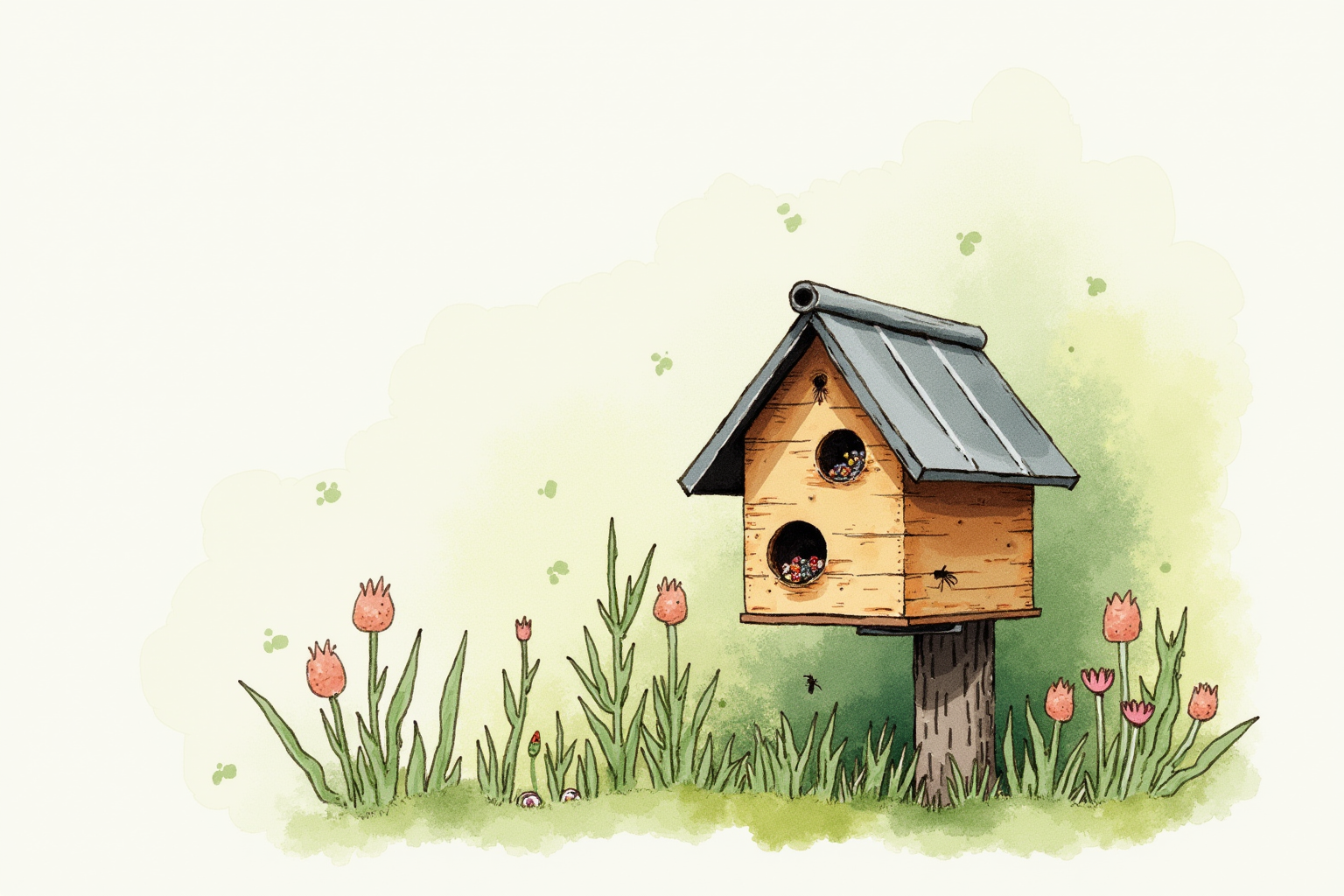
Strategic plant placement that uses repellent or attractant species to manage pests.
Classic combinations per UC IPM and Rodale Institute research: tomatoes plus basil (basil deters tomato hornworm), marigolds throughout vegetable garden (repels many root pests, attracts beneficial insects), nasturtium near broccoli/cabbage (trap crop for aphids and cabbage worms), garlic and onions interspersed (deter many soft-bodied pests), borage near strawberries (boosts strawberry production and attracts pollinators), three sisters (corn, beans, squash — traditional Native American polyculture).
Heirloom Marigold Seed Variety Pack — 8 Varieties
Price · $15-22
+ Pros
- · 8 heirloom marigold varieties
- · Effective companion plant for vegetables
- · Attracts pollinators and beneficials
- · Easy direct seeding
− Cons
- · Not pest control by itself — supports IPM
- · Annual replanting needed in cold zones
Paid affiliate link. Price, availability, and ratings can change; verify details on the retailer page before buying.
Companion planting works as part of broader IPM, not by itself. Marigolds don’t kill pests directly — they support a diverse garden ecosystem where pest pressures are naturally moderated.
Targeted bio-pesticides
When monitoring shows pest populations exceeding tolerance, targeted bio-pesticides offer effective control with minimal collateral damage.
Neem oil
Bonide Neem Oil Concentrate — 16 oz
Price · $15-20
+ Pros
- · Active ingredient azadirachtin disrupts pest hormones
- · Effective against aphids, mites, whiteflies, scale
- · Approved for organic agriculture
- · Low-toxic to humans, pets, and most beneficials
− Cons
- · Don't spray flowers when bees active
- · Can burn leaves in hot sun
- · Requires repeat applications
Paid affiliate link. Price, availability, and ratings can change; verify details on the retailer page before buying.
Apply early morning or evening when bees are not foraging. Test on small leaf area first to verify no burning. Reapply every 7-14 days during active pest pressure.
Bt (Bacillus thuringiensis)
Targeted biological pesticide. Bt kurstaki controls caterpillars (cabbage worms, tomato hornworm, cabbage looper) without affecting other insects. Bt israelensis (mosquito dunks) targets mosquito larvae in standing water. Bt san diego targets Colorado potato beetle.
Diatomaceous earth
Food-grade DE for crawling insects. Apply dry around plant bases for slug/snail control, along ant trails, on flea-infested pet bedding (specific formulations). Must remain dry to work — reapply after rain.
Insecticidal soap
Potassium salts of fatty acids. Effective against soft-bodied pests (aphids, mealybugs, mites). Apply direct contact spray. Safe for humans and pets when dry. Less persistent than chemical alternatives — usually needs reapplication.
Physical controls
Often the simplest IPM tools.
Row covers (Reemay fabric, $15-30 per 10x50 ft roll) — block flying pests while allowing light and water. Use during early growth or vulnerable periods. Remove for pollination of flowering crops.
Hand removal — most direct method for tomato hornworm, Japanese beetle, slugs. Daily inspection during pest season catches problems before populations explode.
Water spray — strong hose blast knocks aphids and mites off plants. Repeat every 2-3 days. Often sufficient for early infestations.
Sticky traps — yellow sticky traps catch whiteflies, fungus gnats, thrips. Effective for monitoring and modest population control.
Beer traps for slugs — shallow dishes filled with beer, sunk to ground level. Slugs drown in beer.
What to avoid
Per EPA and Xerces Society guidance, several common pest control practices are particularly problematic:
Neonicotinoid pesticides (imidacloprid, clothianidin, thiamethoxam) — implicated in pollinator decline. Avoid even if “labeled safe” for home use.
Broad-spectrum pyrethroids (permethrin, bifenthrin, cyfluthrin) — kill beneficial insects alongside pests, often making outbreak worse next year.
Routine spraying schedules — calendar-based application without monitoring kills beneficials and breeds resistant pest populations.
Combination pesticide-fertilizer products (“weed and feed”) — broadcast across landscape, can drift onto pollinator plants and runoff to waterways.
Common garden pest situations
Per UC IPM and Cornell guidance, the typical home garden pest situations and IPM responses:
Aphids on roses/vegetables: ladybug release + water spray + neem oil only if severe. Avoid broad-spectrum pesticides — they kill aphid predators worse than aphids.
Cabbage worms on brassicas: row covers during establishment + Bt kurstaki spray if needed. Hand pick adult moths visible in early morning.
Tomato hornworm: hand removal (highly effective — large caterpillars easy to find). Bt for early instars if heavy pressure.
Cucumber beetles: yellow sticky traps + companion planting (marigold, nasturtium) + row covers during establishment.
Slugs/snails: beer traps + diatomaceous earth + iron phosphate baits (Sluggo — pet-safe). Avoid metaldehyde baits (toxic to pets).
Bottom line
Effective garden pest control rarely requires broad-spectrum pesticides. The IPM framework — prevention, monitoring, biological controls, targeted bio-pesticides as last resort — handles 95% of home garden pest pressure with much lower environmental impact and equivalent or better long-term control.
Start with healthy soil (composting), plant diversity (companion planting), and beneficial insect support. Monitor weekly during growing season. Reserve targeted bio-pesticides (neem, Bt, insecticidal soap) for situations exceeding tolerance threshold. Avoid synthetic broad-spectrum pesticides almost always.
For complementary reading, see composting bin guide small space, drought-tolerant plants data, and the garden category.