Electrical Panel Capacity for Home Electrification: A Load Planning Guide
Screen panel capacity for heat pumps, water heating, cooking, EV charging, and solar before an electrician, utility, permit office, and code analysis decide the project.
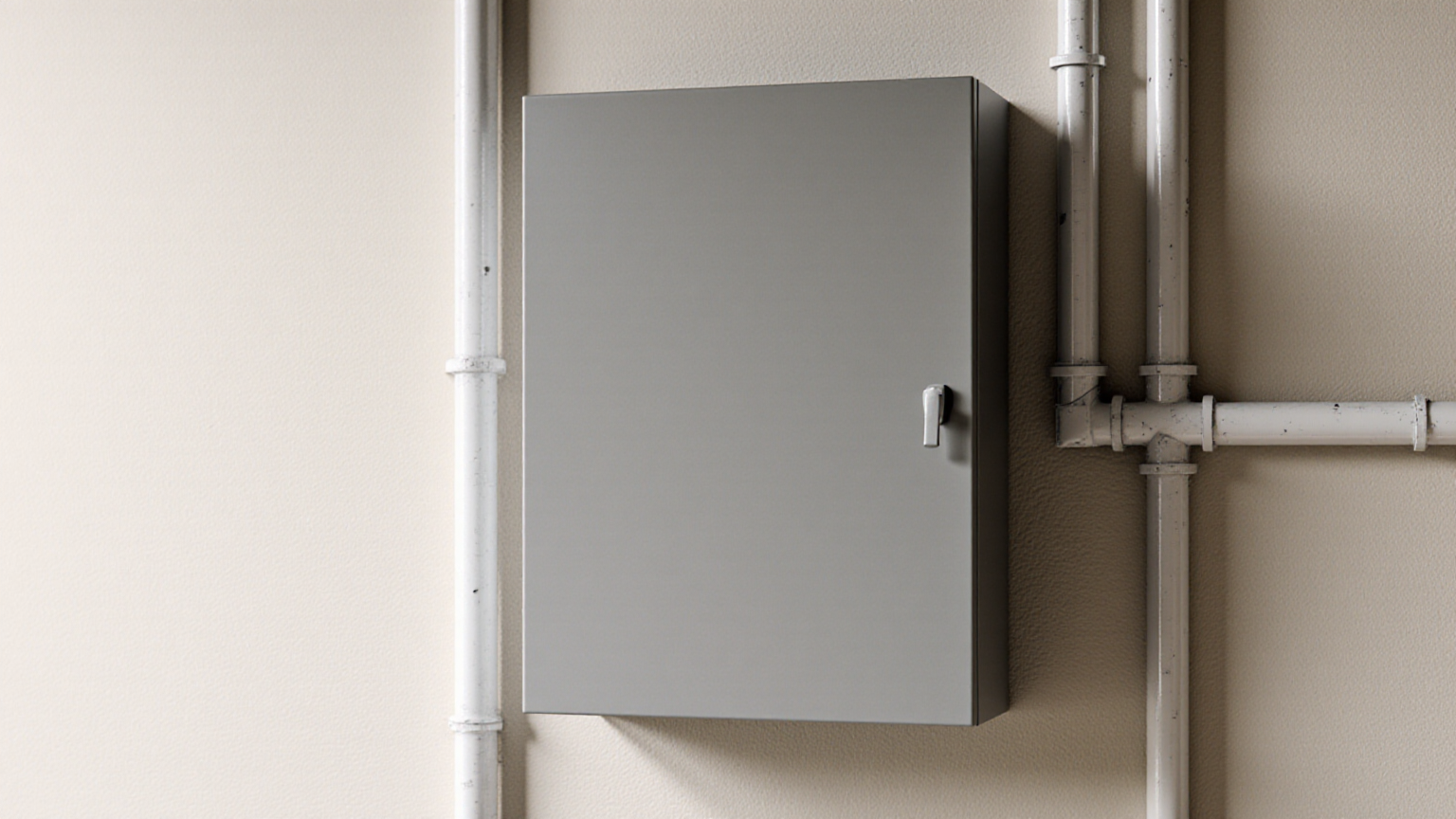
Replacing combustion appliances with a heat pump, heat-pump water heater, induction range, dryer, and electric vehicle charger can change when and how a home uses electricity. The visible number on the main breaker is important, but it is not the answer by itself. Capacity planning must connect the utility service, service conductors, meter equipment, panel bus, main overcurrent device, branch circuits, calculated dwelling load, equipment specifications, and local code.
This guide provides an early screen so a homeowner can collect useful facts and compare scenarios. It does not size conductors, select breakers, authorize energized work, or replace the load calculation performed by a licensed electrician. The permit authority, adopted electrical code, utility requirements, manufacturer instructions, and site conditions control the final design.
First, identify what “panel capacity” could mean
A label saying 100 A, 150 A, or 200 A may describe a main breaker, but a project has several possible bottlenecks:
- Utility service and transformer: the utility decides whether its drop, lateral, transformer, meter, and service rules support the proposed demand.
- Service-entrance conductors and disconnect: their approved rating and condition matter independently of cabinet size.
- Panel bus and main breaker: these must be correctly rated and coordinated; a larger breaker cannot simply be installed to create capacity.
- Physical spaces: spare knockouts do not prove electrical capacity, and tandem breakers are allowed only where the panel labeling permits them.
- Calculated load: code methods account for general lighting, fixed appliances, heating or cooling, cooking, dryers, EV charging, and other loads rather than summing every breaker.
- Condition and suitability: corrosion, heat damage, water entry, obsolete equipment, poor terminations, recalled components, or unsafe modifications may require work regardless of arithmetic.
ENERGY STAR’s whole-home guidance organizes efficiency work around envelope and equipment choices (ENERGY STAR Save at Home). That evidence can inform equipment choices, but an energy review is not an electrical load calculation; treat the panel label as an inventory fact, not permission to add a load.
Why adding breaker handles is wrong
A 200 A panel may contain branch breakers whose handles total 600 A or more. That is normal because not every circuit operates at its maximum simultaneously, and electrical codes apply specified demand rules. Conversely, a 200 A main does not prove that an additional 48 A continuous EV load fits. Existing heating strips, electric water heating, cooking, drying, pools, spas, workshops, and accessory dwellings may already consume the planning margin.
Breaker-handle addition fails in both directions: it can make a safe panel look overloaded, or hide important coincidence and continuous-load requirements. A proper calculation uses the adopted code edition and local amendments. Existing-load measurement may sometimes be accepted under a code pathway, but duration, data quality, seasonal peaks, and authority approval matter. Do not substitute a week of smart-meter data for a method the inspector has not accepted.
NFPA’s consumer electrical-safety material advises qualified electrical work and attention to warning signs such as frequent breaker trips, discolored outlets, burning odors, or warm receptacles (NFPA electrical safety). Capacity planning stops immediately when condition suggests a hazard.
A nameplate worksheet—not a permit calculation
Gather each proposed appliance’s actual nameplate and installation instructions. Record volts, amperes or watts, whether it is a continuous load, minimum circuit ampacity, maximum overcurrent protection, auxiliary resistance heat, and whether controls can prevent simultaneous operation. Marketing “typical use” is not circuit sizing information.
For a single-phase 240 V load, a simple screening conversion is:
Current (A) = Power (W) ÷ Voltage (V)
An 11.5 kW EV charging load screens as:
11,500 W ÷ 240 V = 47.9 A
That explains why it is commonly described as 48 A, but it does not select its branch circuit. EV charging is generally treated as a continuous load, so installation requirements can be larger than the charging current. The federal Alternative Fuels Data Center explains that home charging choice depends on daily range needs, available branch circuits, equipment rating, and qualified installation (AFDC home charging).
Use a worksheet like this before requesting quotes:
| Proposed load | Example nameplate input | Naive 240 V current | Coincidence question | Information still needed |
|---|---|---|---|---|
| Heat pump outdoor unit | 4,800 W | 20 A | Can auxiliary heat run with compressor? | MCA, MOCP, indoor unit and strip-heat data |
| Heat-pump water heater | 4,500 W resistance element | 18.8 A | Does element overlap space heat? | Circuit requirements and operating modes |
| Induction range | 12,000 W | 50 A | What demand method applies to cooking? | Nameplate and adopted-code calculation |
| Dryer | 5,760 W | 24 A | Likely during cooking or charging? | Nameplate and circuit instructions |
| EV charging | 7,680 W | 32 A | Can charging be scheduled or managed? | Continuous-load circuit and equipment listing |
These currents total 144.8 A, but calling that the “new load” would be wrong. It ignores code demand factors, old appliances being removed, 120 V loads, heating-versus-cooling rules, continuous-load treatment, and actual control logic. The table is a conversation starter, not evidence that a 150 A or 200 A service passes.
Inventory the existing home before choosing upgrades
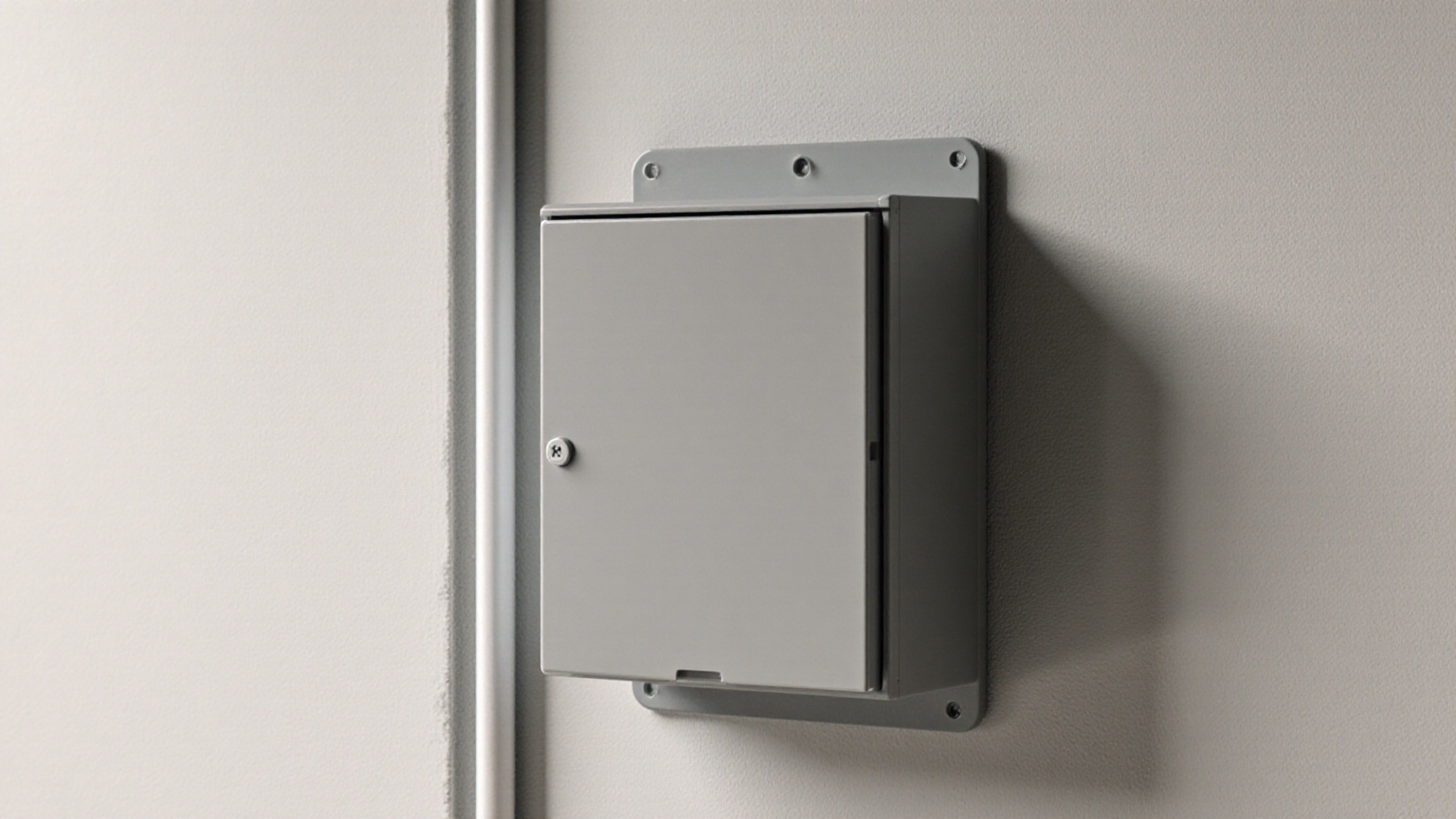
Photograph only from a safe distance with covers closed. Record the service address, utility account, main-breaker marking, panel manufacturer and model, directory, meter location, visible disconnects, and any subpanels. Do not remove the dead front, touch service equipment, probe voltage, tighten terminals, or enter a wet or damaged area. Service conductors can remain energized even when a main breaker is off.
Then assemble twelve months of electric bills or interval data. Bills help explain seasonality and utility usage, but energy in kilowatt-hours is not the same as peak current in amperes. For example, 900 kWh used over 30 days averages:
900 kWh ÷ (30 × 24 h) = 1.25 kW average
At 240 V that average is only about 5.2 A, yet the house may briefly draw many times more when cooking, drying, heating water, and charging overlap. Average energy cannot size a service.
A home energy audit checklist helps document envelope and equipment conditions before sizing electrification. Reducing heating load through appropriate air sealing and insulation may permit smaller heat-pump equipment, but equipment sizing and electrical capacity remain separate professional calculations.
Build three scenarios instead of one wish list
A staged plan exposes choices before expensive work.
Scenario A: full coincidence
Assume major new loads can operate together. This is conservative for planning and may reveal that a conventional upgrade is likely. It is not itself a code calculation.
Scenario B: efficient equipment and lower-power settings
Compare actual products rather than categories. A heat-pump water heater may have a different branch-circuit requirement from a resistance-only tank, and EV charging at 16 A, 24 A, or 32 A may satisfy daily driving without the equipment’s maximum setting. ENERGY STAR’s certified heat-pump water-heater directory provides product-specific performance data, but installation documents still control the circuit (ENERGY STAR product finder). Use the site’s heat-pump water-heater checklist to include space, condensate, noise, and recovery—not just amperes.
Suppose a car travels 35 miles daily and its planning consumption is 0.30 kWh/mile:
35 miles × 0.30 kWh/mile = 10.5 kWh/day
A 240 V, 16 A charger has nominal input power:
240 V × 16 A = 3.84 kW
Ignoring losses, replacement time is:
10.5 kWh ÷ 3.84 kW = 2.7 hours
Allowing 15% for charging losses gives about 3.2 hours. This suggests 16 A may cover that example overnight, not that 16 A is universally sufficient. Cold weather, vehicle efficiency, commute variation, charging window, battery preconditioning, and future vehicles change the answer. For the upstream vehicle decision, the EV versus hybrid lifecycle comparison separates operating energy from manufacturing and use-case assumptions.
Scenario C: listed load management
An approved energy-management system may reduce simultaneous demand by pausing or limiting EV charging when other loads operate. Some products coordinate water heating, HVAC backup heat, or multiple chargers. The design must be listed and installed for its purpose, comply with equipment instructions, fail safely, and be accepted by the authority having jurisdiction and utility. A consumer smart plug or informal promise to “charge only at night” is not equivalent.
Space heating requires its own careful branch
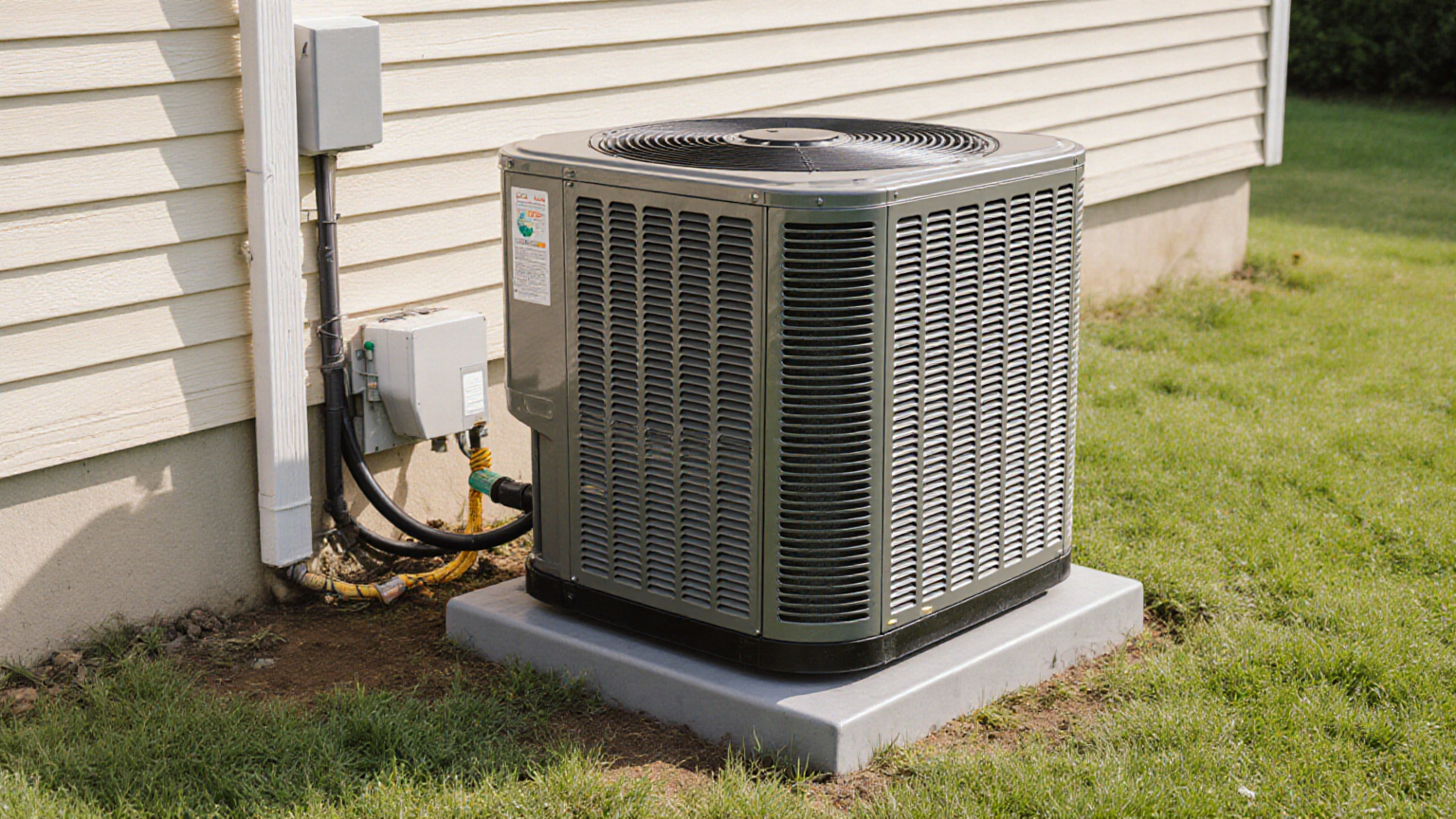
A heat pump’s normal compressor input does not tell the whole story. Air-source systems may include indoor blowers, crankcase or pan heaters, and electric auxiliary resistance heat. ENERGY STAR explains air-source heat-pump performance and the importance of appropriate equipment selection and installation (ENERGY STAR air-source heat pumps). Ask for the outdoor design temperature, building load calculation, selected equipment data, minimum circuit ampacity, maximum overcurrent protection, and every backup-heat stage.
Do not size from the existing furnace’s fuel-input rating. A 60,000 Btu/h gas input is not automatically the building heat loss, and converting it directly to electric kilowatts can oversize both HVAC and electrical work. The space-heater versus heat-pump guide explains delivered heat, resistance COP near 1, and heat-pump performance without turning a rough comparison into equipment sizing.
EIA’s residential data show that space conditioning, water heating, appliances, and climate shape household electricity use (EIA electricity use in homes). National end-use shares provide context, but they cannot approve one dwelling’s service.
Solar and batteries do not automatically erase load
Do not subtract rooftop solar nameplate power from a dwelling load screen. Clouds, night, inverter limits, outages, export restrictions, and seasonal output make generation variable. Solar interconnection also introduces separate limits involving bus ratings, breaker positions, supply-side connections, rapid shutdown, utility review, and equipment listings.
A battery with approved controls may support a designed load-management or backup strategy, but capacity in kilowatt-hours, inverter output in kilowatts, surge capability, operating mode, and code treatment are different quantities. “Ten-kilowatt-hour battery” does not mean it can continuously supply every appliance or justify a smaller service. Ask the electrician and installer to document exactly which loads are controlled under which operating state.
PNNL’s Building America Solution Center organizes building-science and systems guidance for high-performance homes (PNNL BASC). Use such resources to coordinate envelope, HVAC, moisture, and electrical decisions; never treat one subsystem’s estimated savings as permission to bypass electrical review.
The order of professional decisions
- Homeowner: define present and future loads, operating needs, budget, and project sequence.
- Electrician or electrical engineer: inspect condition, identify ratings, perform the applicable load calculation, design circuits and management, and produce a scope.
- HVAC and appliance contractors: supply exact selected-equipment data, not placeholders.
- Utility: assess service, meter, transformer, interconnection, and any required upgrade or scheduling.
- Permit authority/inspector: apply adopted code and local amendments and inspect permitted work.
- Manufacturer: define installation, clearances, conductor, overcurrent, and control requirements for listed equipment.
Ask bidders to separate costs for panel replacement, service upgrade, meter work, utility charges, trenching, grounding and bonding corrections, branch circuits, surge protection, load management, drywall repair, permits, and design. “200 A upgrade” can conceal materially different scopes.
The CPSC home electrical checklist recommends watching for overloaded circuits, damaged cords, loose plugs, and abnormal warmth and using qualified repair where needed (CPSC checklist). If there is buzzing, arcing, scorching, burning odor, repeated trips, water intrusion, or a hot panel, stop planning and arrange prompt qualified evaluation. Call emergency services for active fire or smoke.
Homeowner planning checklist
- List every existing and proposed fixed appliance with make and model.
- Obtain nameplates and installation manuals, including auxiliary heat.
- Record the main breaker and panel model without removing covers.
- Gather twelve months of bills and available interval data.
- Note repeated trips, heat, odor, corrosion, water, or damaged equipment.
- Decide realistic EV daily energy and charging window.
- Compare full-power, lower-power, staged, and managed-load scenarios.
- Ask which adopted code edition and calculation method will be used.
- Ask the utility about service and transformer review early.
- Obtain permits and inspections; preserve final drawings and settings.
- Plan future loads such as a second EV, accessory unit, workshop, or spa.
- Never perform energized measurements or panel alterations as a DIY survey.
Incentives and costs: verify, do not assume
This article intentionally makes no claim about a current federal tax credit, rebate amount, income threshold, or funding availability. Programs can depend on location, household eligibility, installation date, equipment certification, preapproval, and remaining funds. DOE’s official rebate portal is a starting point for state-administered home energy programs (DOE rebates), but the live state program and written terms must be checked before purchase. A contractor discount is not proof of tax eligibility.
Compare the total project, not only panel price. Sometimes efficient appliances, lower EV charging current, sequencing, or approved management avoid or defer service work. Sometimes deteriorated equipment or genuinely insufficient service makes an upgrade prudent. The valid answer emerges from the inspected design, not from a generic promise that every home “needs 200 amps” or that no home does.
Limitations
This U.S.-oriented planning guide does not reproduce National Electrical Code calculations, local amendments, utility tariffs, or manufacturer instructions. It does not account for three-phase service, multifamily demand, farms, workshops, medical equipment, wildfire rules, flood zones, generator transfer systems, or every solar/storage configuration. Codes and programs change. Only qualified people with site access can determine ratings, condition, conductor sizes, fault-current requirements, grounding and bonding, and permitted scope.
Frequently asked questions
Can I total the breaker handles?
No. Branch-breaker sums commonly exceed service rating, while demand rules and special load treatment govern the calculation. Give the electrician complete equipment data and ask for the documented method.
Does 200 A guarantee enough room?
No. Calculated load, service conductors, utility equipment, panel bus, condition, fault rating, physical spaces, local rules, and future plans all matter. A smaller service may suit one efficient managed home; 200 A may be insufficient for another large property.
Can load management avoid an upgrade?
Sometimes. It must be an approved, listed design that controls specified loads, follows manufacturer instructions, and is accepted by the electrician, inspector, and utility. Scheduling by habit is not the same protection.
Should solar be subtracted from load?
Not in a naive worksheet. Solar is variable, and interconnection rules are separate. Storage and controls affect capacity only as an approved design explicitly allows.
What should I bring to the first electrician visit?
Bring panel and meter photographs taken with covers closed, bills, interval data, appliance manuals and nameplates, a future-load list, any prior permits, and notes about trips or damage. That evidence makes the visit more productive without exposing you to energized parts.