Heat Pump Dryer Summer Humidity Laundry Energy Plan
A home-energy plan for using heat pump dryers, drying racks, ventilation, and load timing during humid summer weather.
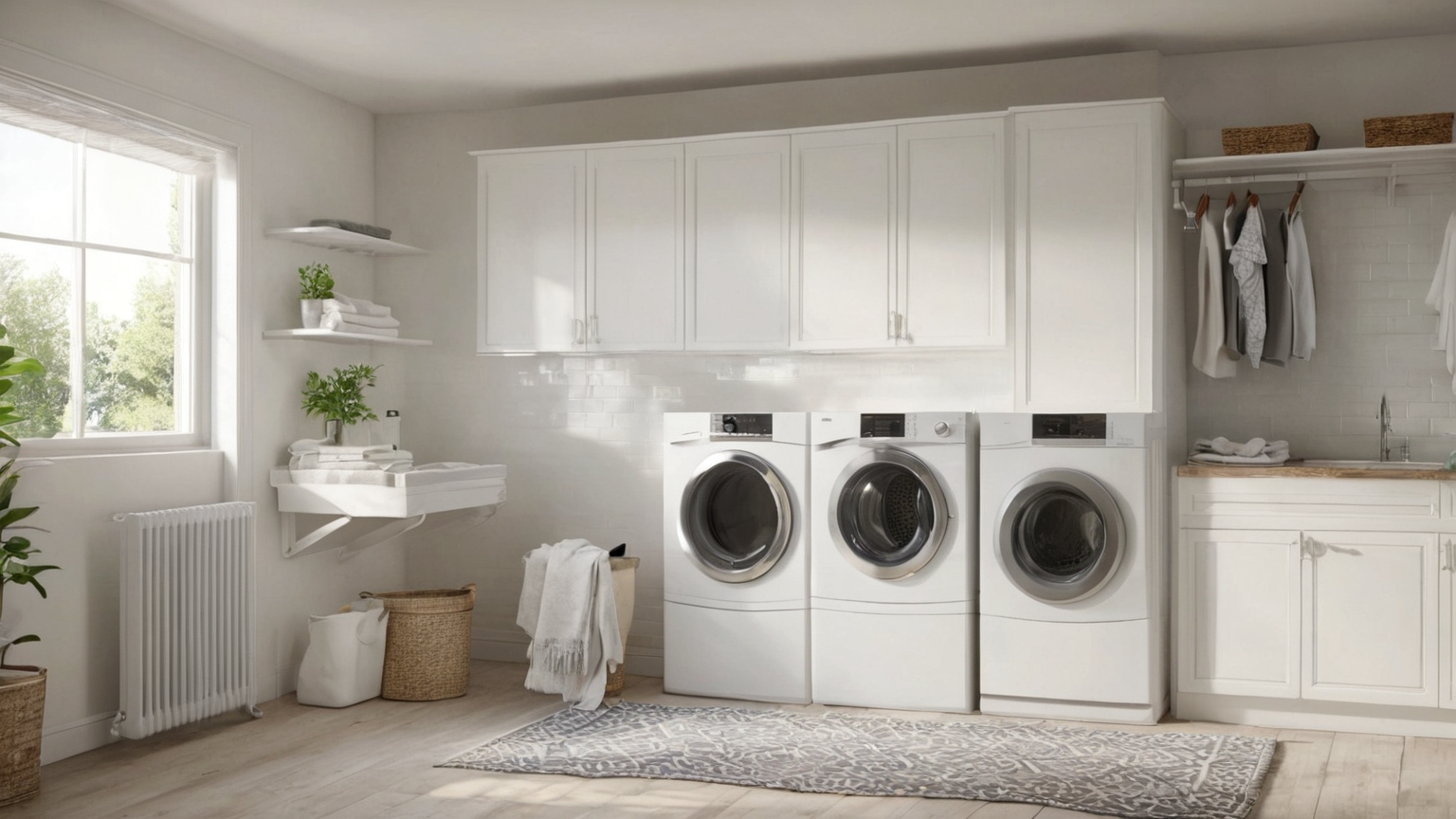
A heat pump dryer can reduce laundry energy use, but summer humidity changes the practical routine. Drying racks, closed laundry rooms, towels, and late-night loads can move moisture into the home if airflow is poor. This guide was checked on 2026-06-10 against ENERGY STAR, DOE, EPA, and CDC resources. Follow your appliance manual and local electrical/ventilation rules; this is a planning guide, not repair advice.
Decision table
| Situation | Safer choice | Mistake to avoid |
|---|---|---|
| Light shirts on a dry day | Rack dry with airflow | Packing a small room with wet fabric |
| Towels or heavy loads | Use dryer or hybrid finish | Leaving dense items damp overnight |
| Humidity already high | Limit indoor air drying | Assuming air drying is always greener |
| Laundry room blocks walkway | Rearrange before drying | Creating a trip hazard for savings |
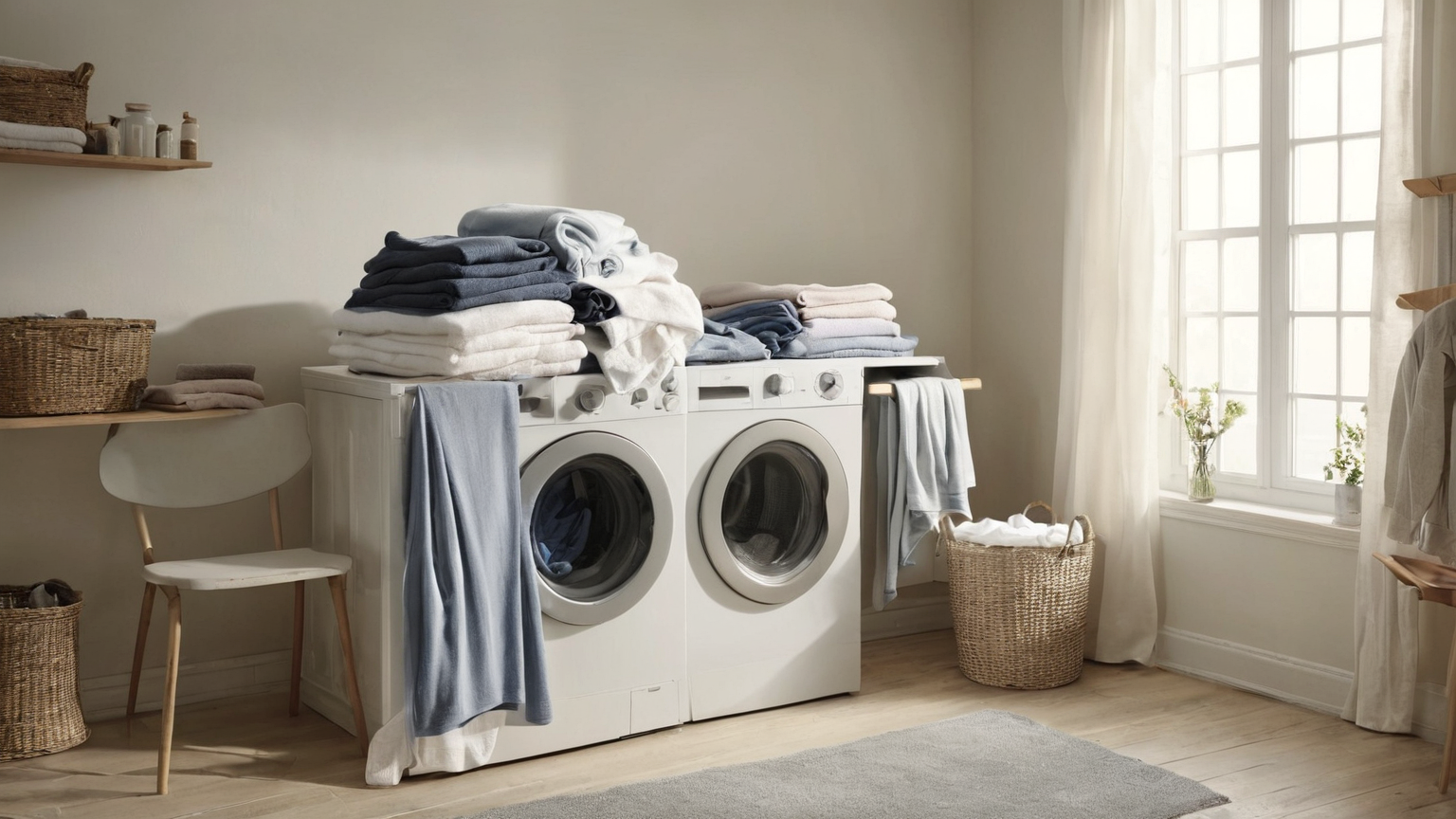
1. Match the method to fabric and humidity
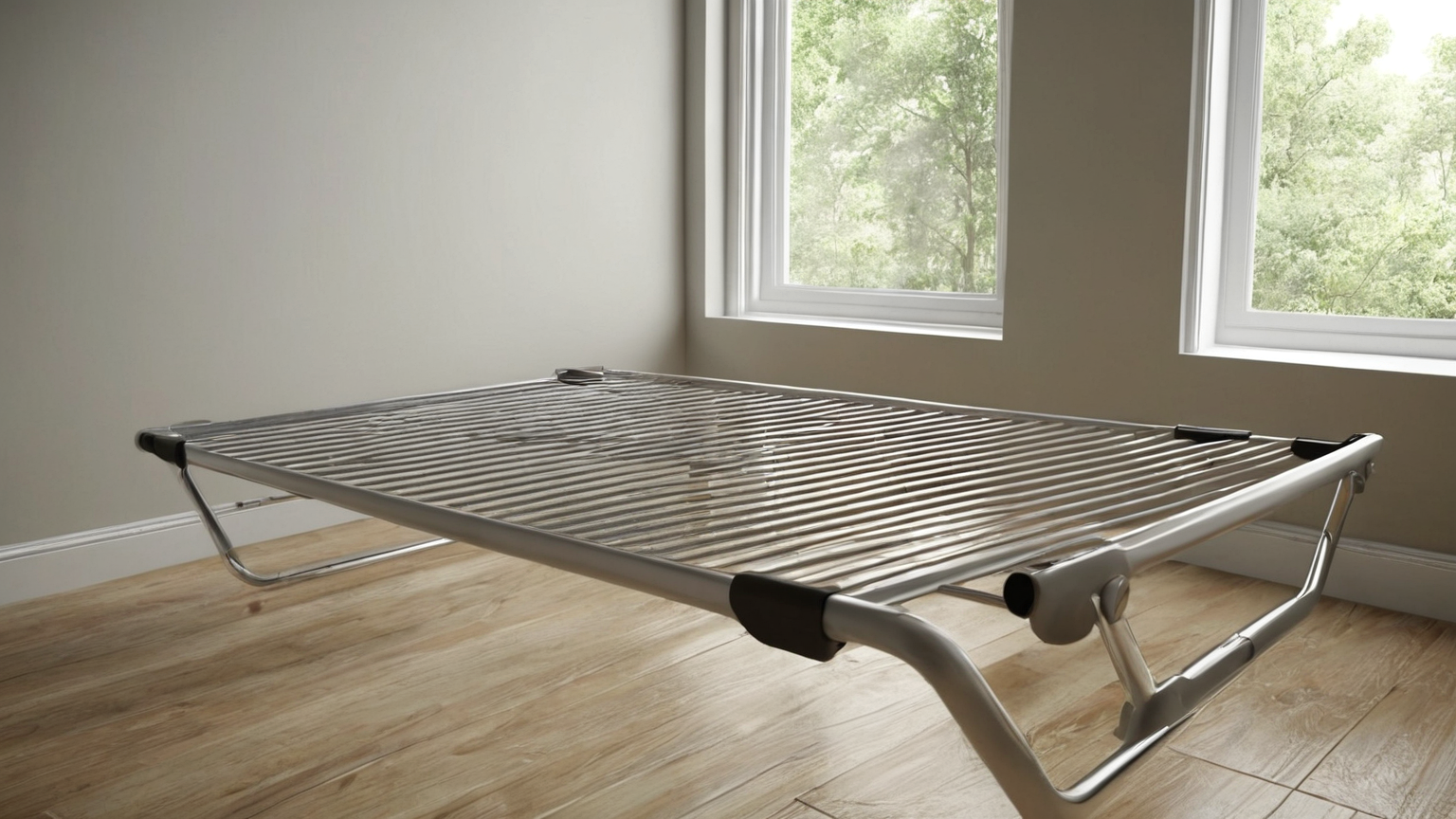
Line drying can be excellent for lightweight clothing, but a packed rack in a humid room may keep fabric damp too long. Use the heat pump dryer for towels, dense loads, or days when indoor humidity is already high. A hybrid routine often beats a rigid rule.
Practical rule: decide the stop condition before the risky part starts. If the real situation crosses that line, choose the lower-risk option even when it feels inefficient. That habit turns a web article into a usable routine instead of generic advice.
2. Keep airflow boring and safe
Drying should not block exits, cover vents, or create trip hazards. Leave space around racks and appliances, keep lint areas clean according to the manual, and avoid extension-cord improvisation. Energy savings are not helpful if the laundry setup creates moisture or safety problems.
Practical rule: decide the stop condition before the risky part starts. If the real situation crosses that line, choose the lower-risk option even when it feels inefficient. That habit turns a web article into a usable routine instead of generic advice.
3. Use timing to avoid comfort penalties
Laundry heat and moisture interact with air conditioning, dehumidifiers, and household schedules. Run loads when the room can recover, avoid stacking several damp loads at once, and do not open the dryer repeatedly to check progress if the machine has a sensor cycle.
Practical rule: decide the stop condition before the risky part starts. If the real situation crosses that line, choose the lower-risk option even when it feels inefficient. That habit turns a web article into a usable routine instead of generic advice.
4. Track the real household result
Count more than electricity. Note whether towels smell fresh, rooms stay comfortable, racks clear before bedtime, and the dehumidifier is not running extra hours to fix the drying choice. The best plan reduces energy without quietly moving cost to comfort or mold risk.

Practical rule: decide the stop condition before the risky part starts. If the real situation crosses that line, choose the lower-risk option even when it feels inefficient. That habit turns a web article into a usable routine instead of generic advice.
5. Make maintenance part of the article, not the image
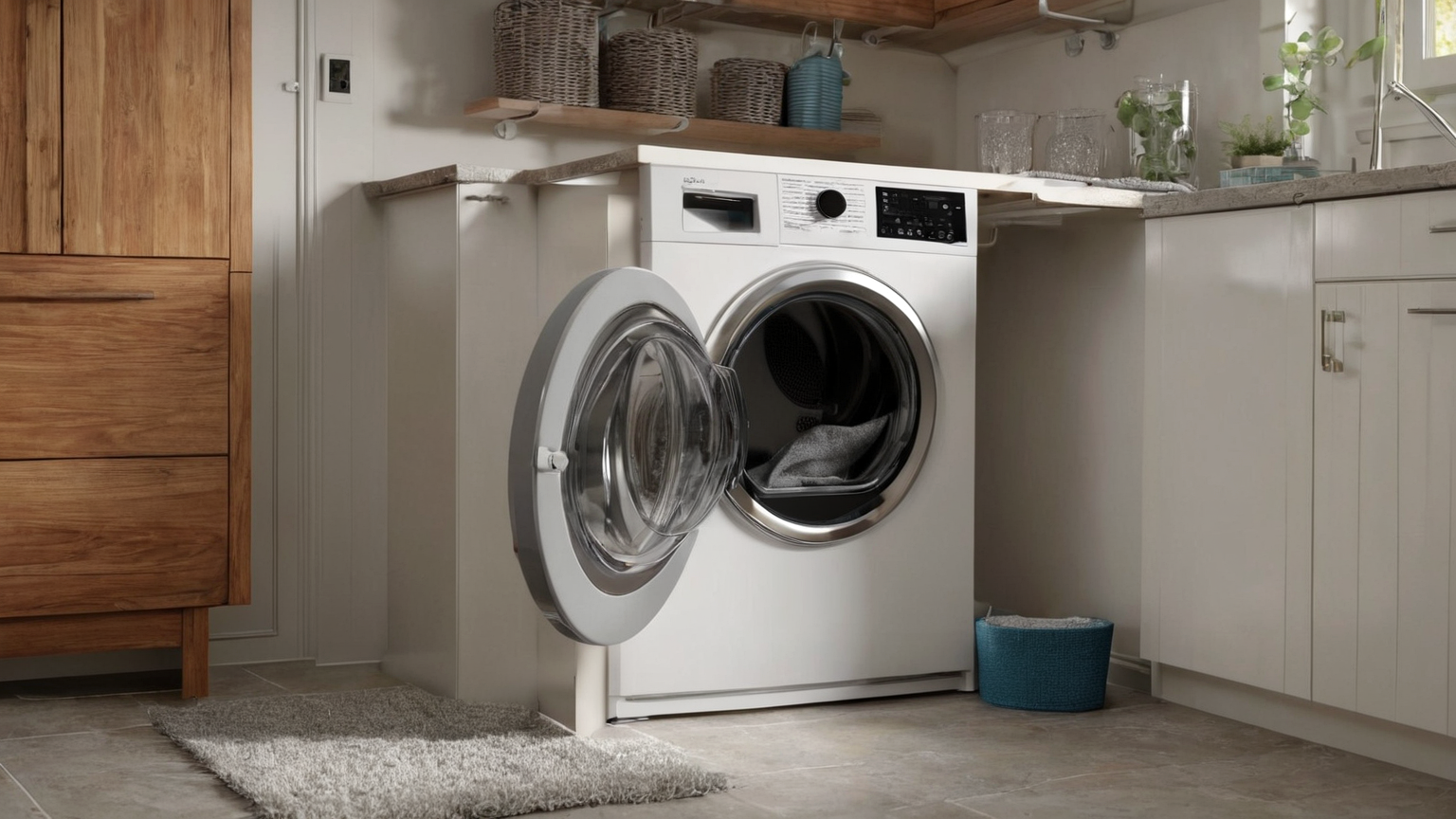
Clean filters, drain reservoirs if applicable, and follow manufacturer airflow instructions. The visuals intentionally avoid readable control panels and labels; factual steps stay in accessible body text and source-backed checklists.
Practical rule: decide the stop condition before the risky part starts. If the real situation crosses that line, choose the lower-risk option even when it feels inefficient. That habit turns a web article into a usable routine instead of generic advice.
Seven-point implementation checklist
- Check the current official source, alert, manual, or local rule before relying on memory.
- Prepare the space before the highest-risk step begins.
- Keep tables, warnings, and step logic in body text rather than unreadable image text.
- Use smaller portions, shorter sessions, slower speeds, or hybrid routines when conditions are uncertain.
- Document the exception so the next attempt improves instead of repeating a mistake.
- Do not add affiliate recommendations where safety, trust, or official guidance is the main reader need.
- Revisit the plan after the season, trip, illness, event, or household condition changes.
Source notes and limitations
The linked sources set conservative decision boundaries. They do not replace medical care, emergency instructions, vehicle law, appliance manuals, food-service rules, or qualified professional advice. Local alerts, recalls, manuals, clinicians, emergency responders, and official notices can override this general planning guide.
FAQ
Why is this a 2026 guide?
The post was prepared during the 2026-06-10 publishing run and its source URLs were checked as part of the workflow. Readers should still open current official pages when conditions are changing.
Why are the visuals plain?
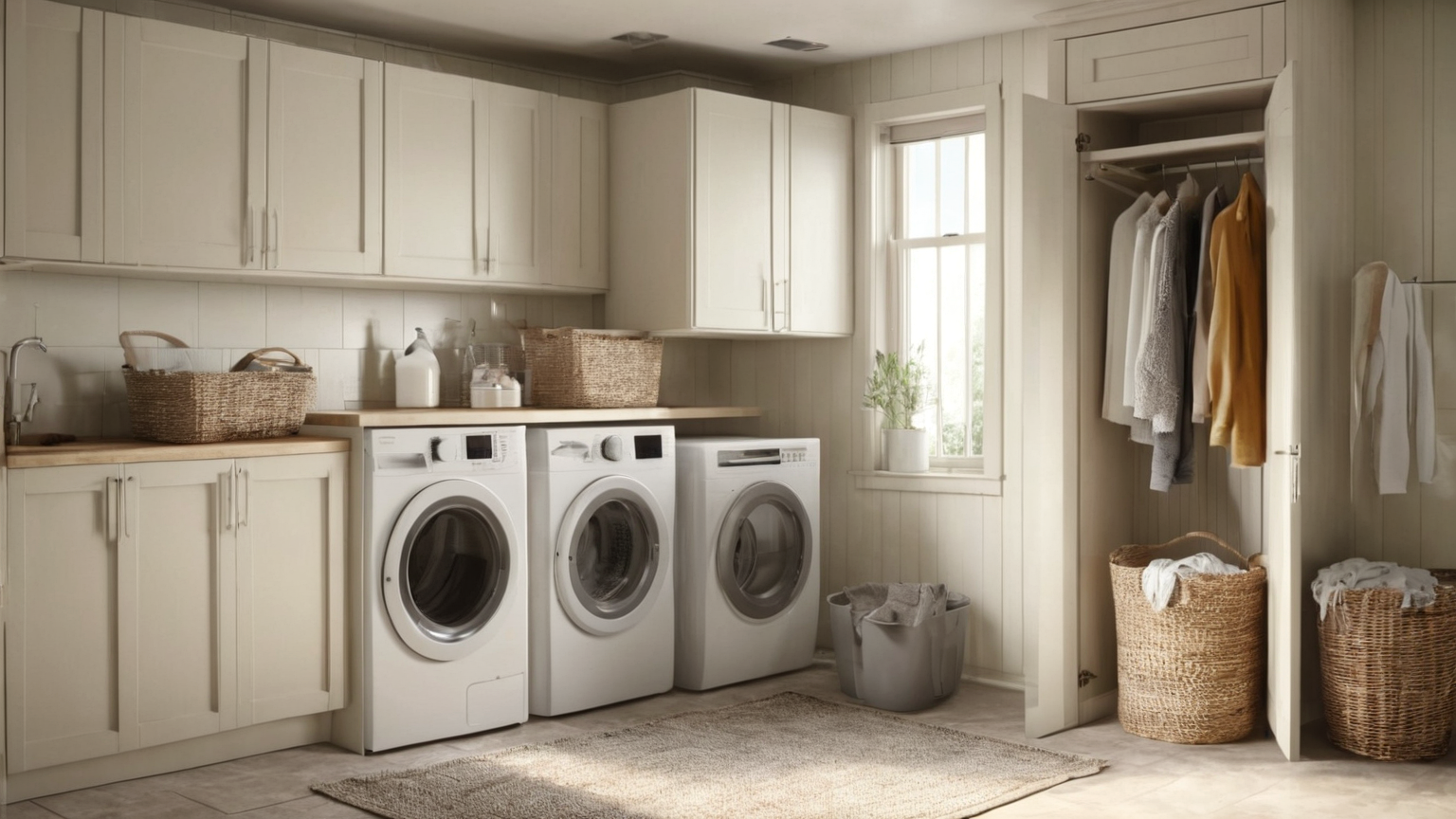
The images are GTI13 raster illustrations. They avoid readable labels, fake dashboards, medical text, food-safety hazards, or appliance-control claims so the factual guidance remains in the article body.
Does this page push products?
No. It supports AdSense readiness through helpful guidance, source transparency, internal navigation, and practical limitations rather than affiliate filler.