Heat Pump Water Heater Summer Basement and Laundry Energy Plan
A practical 2026 home-energy guide for placing, operating, and checking a heat pump water heater in summer without unsafe electrical or moisture shortcuts.
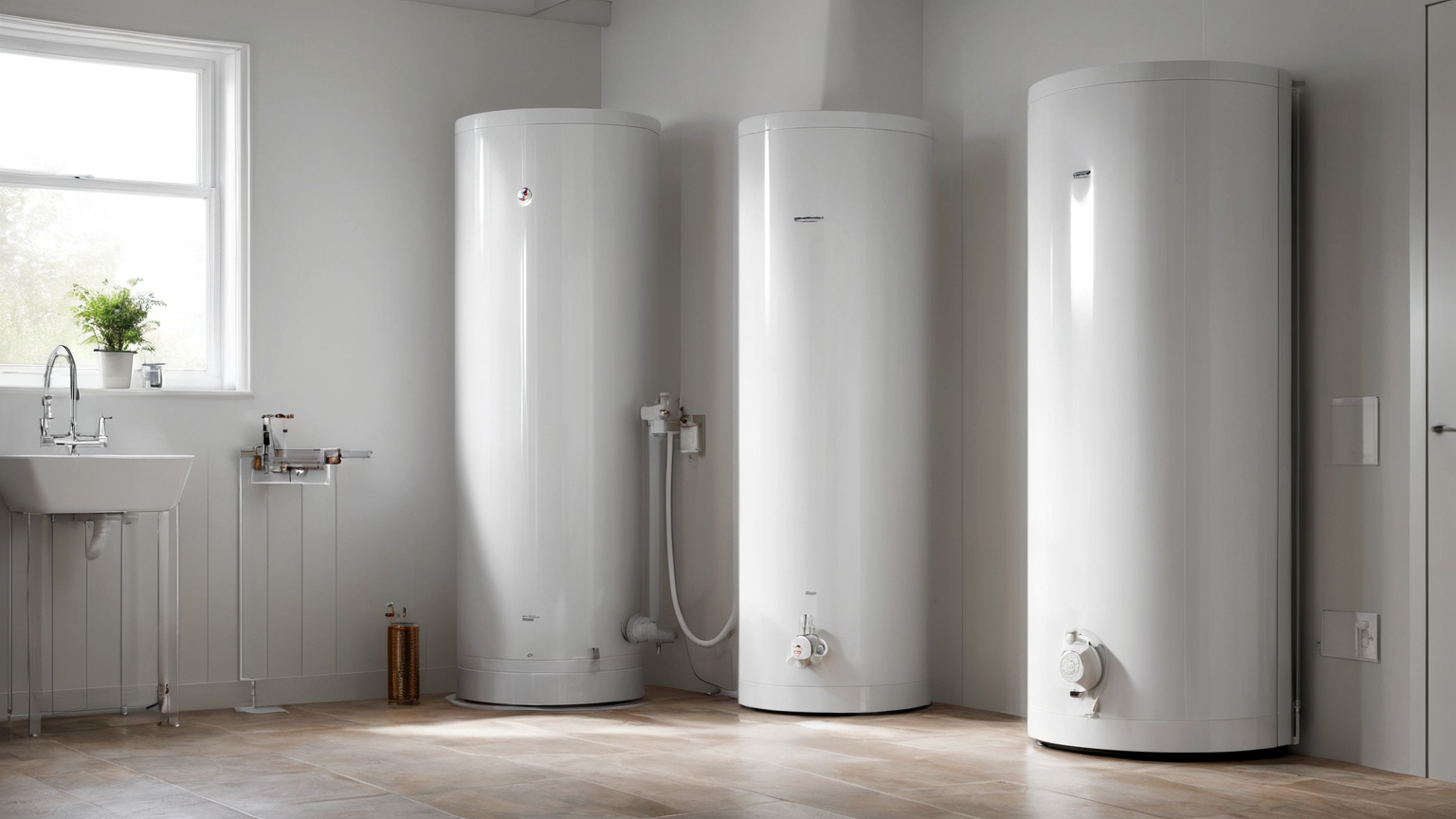
A heat pump water heater can support efficient summer water heating, but it is still an appliance that needs correct placement, airflow, drainage, electrical safety, and moisture awareness. This guide was checked on 2026-06-09 against ENERGY STAR, DOE Energy Saver, EPA, and CPSC resources. It is not installation, code, electrical, or HVAC advice; use the product manual, local code, utility guidance, and qualified professionals first.
Quick decision table
| Situation | Safer choice | Mistake to avoid |
|---|---|---|
| Appliance is boxed in by storage | Restore manual-required clearance and airflow | Treating poor performance as a setting problem |
| Floor or drain area is wet | Stop and identify the source safely | Ignoring moisture because the room is unfinished |
| Breaker, wiring, or panel question appears | Use qualified electrical help | Opening panels or improvising wiring |
| Summer laundry room feels damp or hot | Balance ventilation, drainage, and schedule | Chasing energy savings while creating moisture risk |
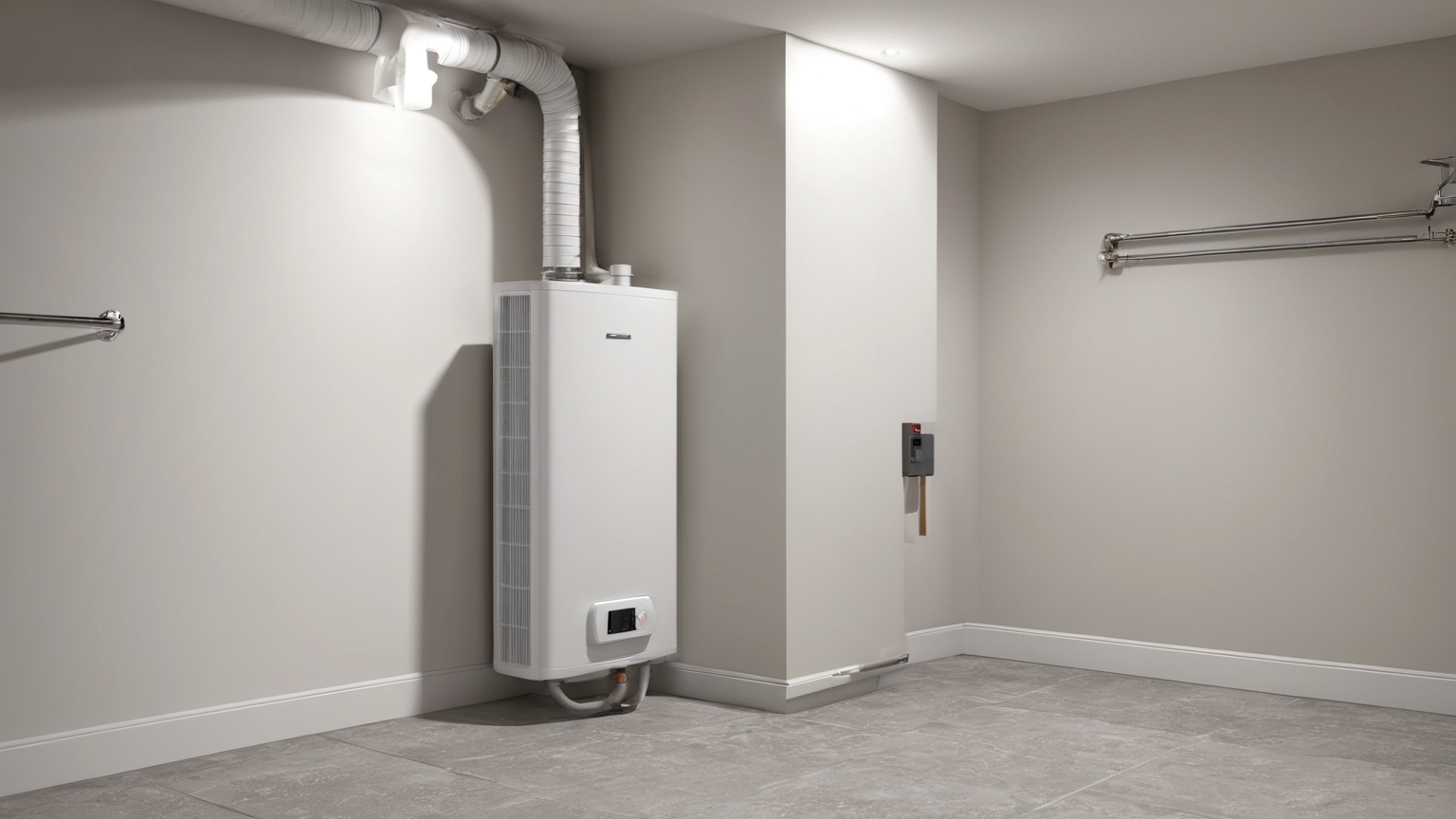
1. Confirm placement and airflow before optimizing settings
Start by naming the risk you are trying to avoid, then choose the action that reduces that risk before convenience takes over. A useful checklist is specific enough to change behavior: it names the trigger, the safer substitute, the person responsible, and the evidence to check. If the source says to consider current conditions, do not rely on yesterday’s memory. Look at the current alert, current appliance clearance, drain path, humidity, airflow, electrical limits, and manual instructions. This is the difference between helpful content and generic advice.
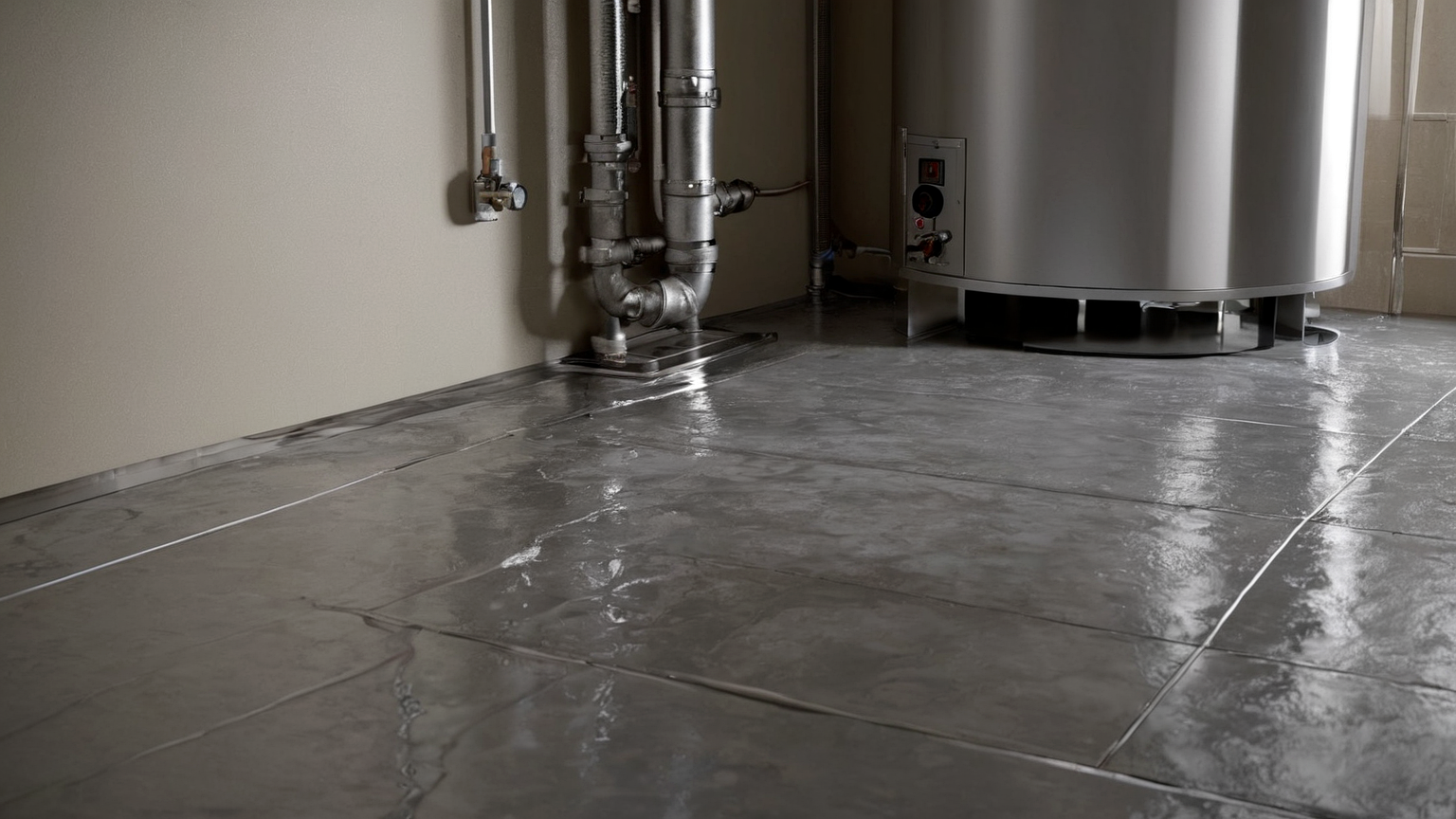
2. Treat condensate, leaks, and damp floors as signals
The setup step matters because many failures happen before the main decision. Put the safer tool where it is easy to reach, remove the confusing shortcut, and make the risky option slower. For this heat-pump water-heater plan, stage the safer tools before the risky moment: verify the evidence, remove the shortcut, and make the conservative fallback easy to choose.
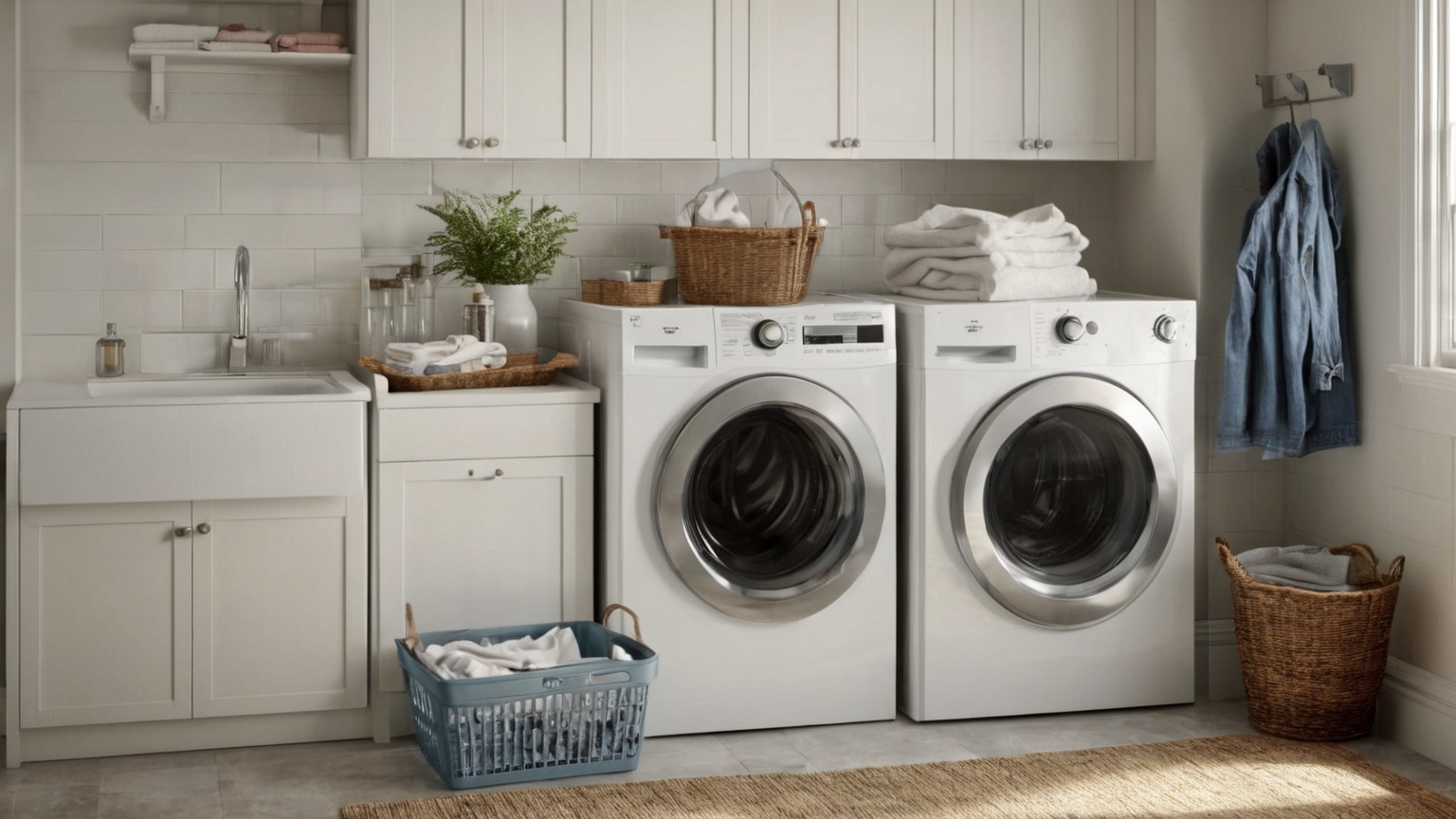
3. Coordinate laundry-room heat, humidity, and noise expectations
Use a decision tree rather than a hero mindset. If the first condition is normal, proceed with the planned routine. If one warning sign appears, reduce intensity, simplify the task, or pause for verification. If two or more warning signs stack together, choose the conservative option. The goal is not to eliminate every inconvenience; it is to prevent a predictable chain of small shortcuts from producing a topic-specific safety or trust problem.
4. Keep electrical and panel safety out of DIY shortcuts
Document the exception while it is fresh. Write down what changed, what you did, and what should be improved next time. This creates an original home energy note and helps readers adapt the guide instead of copying it blindly. It also supports AdSense readiness because the page is framed around safer decisions, primary sources, and practical limitations rather than affiliate pressure, alarming claims, or thin keyword repetition.
5. Review efficiency without hiding health or moisture risks
Review the routine monthly during the relevant season. Replace expired, damaged, dirty, or confusing items; update bookmarks to official sources; and remove any instruction that no longer matches your water-heater clearance, drainage, humidity, airflow, electrical limits, and local code. If an installer, electrician, plumber, appliance manual, utility program, or current local code gives stricter guidance, use that guidance first.
Step-by-step operating checklist
- Open the most current official source or alert before starting.
- Confirm the physical setup: water-heater clearance, drainage, humidity, airflow, electrical limits, and local code.
- Choose the lower-risk option when two warnings overlap.
- Keep explanatory tables and checklists in the article as native text, not AI-image text.
- Record what failed so the next update improves this specific checklist instead of repeating a weak shortcut.
FAQ
Does this replace professional advice? No. It is a planning aid built from the listed sources; appliance, electrical, and moisture-safety decisions can require qualified help.
Why are there no text-heavy graphics? The images are illustrative GTI13 raster assets. Procedures, tables, and warnings are written in the page body so readers and search engines can verify them.
What is the AdSense-readiness benefit? The article uses current source links, practical limitations, non-commercial guidance, internal links, and a clear safety-first tone, which preserves trust rather than adding thin volume.
Additional practical operating notes
The useful version of this checklist is the one a reader can use before the risky moment, during the decision, and after the outcome. Before the moment, identify the exact trigger that would make the safer plan mandatory. During the moment, reduce the number of choices: use the conservative fallback named in this heat-pump water-heater plan before conditions worsen. Afterward, record what changed so the next attempt is easier and safer. This creates original practical value instead of a thin summary of official pages.
A second rule is to keep the most important procedure in readable page text. Do not rely on an image, memory, or product marketing phrase. The page body should name what to check, what to avoid, and what to do when conditions are uncertain. This matters for accessibility, search quality, and safety. It also keeps the article aligned with AdSense readiness because the guidance is non-commercial, source-backed, and honest about limits.
| Review point | Practical question | Safer fallback |
|---|---|---|
| Current condition | Has water-heater clearance, drainage, humidity, airflow, electrical limits, and local code changed today? | Recheck the official source or manual before acting |
| People affected | Could a the people most affected by this decision be harmed by a shortcut? | Add margin and choose the conservative route |
| Equipment and space | Are water-heater clearance, drainage, humidity, airflow, electrical limits, and local code actually ready? | Stop setup and correct the problem safely |
| Evidence | Is the decision based on an official source, local alert, label, or manual rather than habit? | Delay until the evidence is clear |
If the situation feels ambiguous, choose the option that preserves appliance, electrical, and moisture-safety decisions first. Convenience, performance, energy savings, and schedule pressure are secondary. This is the key editorial promise of the page: it helps the reader make a better decision even when no product is recommended.
Topic-specific safety notes
A heat pump water heater needs correct placement, airflow, drainage, clear panels, and safe electrical conditions. Do not open panels, crowd the appliance, modify wiring, ignore wet floors, or treat mold and breaker trips as efficiency problems. Coordinate laundry timing and room airflow with comfort, but let the manual, local code, utility guidance, and qualified professionals override generic settings.
A heat pump water heater needs correct placement, airflow, drainage, clear panels, and safe electrical conditions. Do not open panels, crowd the appliance, modify wiring, ignore wet floors, or treat mold and breaker trips as efficiency problems. Coordinate laundry timing and room airflow with comfort, but let the manual, local code, utility guidance, and qualified professionals override generic settings.
Reader scenario rehearsal
Run the checklist once in a low-pressure moment. Imagine that the day is hotter than expected, the schedule is late, a family member is tired, the refrigerator is crowded, traffic is moving quickly, or the utility room is damp. Then decide what you would do before the pressure is real. This rehearsal is valuable because it exposes weak spots: missing containers, no clean towel, no safe shoulder plan, blocked appliance clearance, or a training plan that has no recovery option.
The rehearsal should end with one concrete improvement. Move the clean container to the front of the cabinet. Put the recovery workout in the calendar. Check the tire and roadside kit before packing the vehicle. Clear storage from around the water heater. Save the official source link where it can be found again. These small steps are more useful than a dramatic list of warnings because they change the next decision.
This page deliberately avoids universal promises. It does not claim that one heat-pump water-heater plan eliminates every risk. Real conditions vary by water-heater clearance, drainage, humidity, airflow, electrical limits, and local code. The safest interpretation is to use the article as a structured prompt, verify the current evidence, and choose qualified help when the consequences are serious.
Final quality check
Before relying on this guide, confirm four things: the source links still match the topic, the checklist describes your actual situation, no image is being used as a procedural instruction, and the conservative fallback is realistic. If any of those checks fail, update the plan before acting. That is also the editorial standard for this publication run: useful content first, no filler, no unsafe visual shortcuts, and no affiliate pressure in a safety-sensitive article.